Startups
# You need a product built.
We have done this before.
For founders without a technical team. We define the product, build it in fixed-price milestones, and stay as long as you need us. You get a point of view on what to build, not just a pair of hands.
[Talk about your current challenges →](/start?utm_campaign=startups)[See what we built ↓](#built)
Built and running
## Real products, in production.
A few of them. Some started as a founder’s idea; each is live today.
EventingNewEvery event in your city, from every site that lists them, in one place.
AgentSiteMakes a website readable to ChatGPT, Claude and other AI assistants, and scores how well it does.
ProtocolA second brain for AI agents: skills, knowledge and tasks they look up instead of carrying.
RecipeaterRecipes turned into a timed cooking plan you follow one step at a time.
DashboardLive view of every AI coding agent running across the studio.
One2BIndependent valuations of a company's data, done to international valuation standards.
Revy AutosA used-car marketplace where private sellers list with an AI assistant's help.
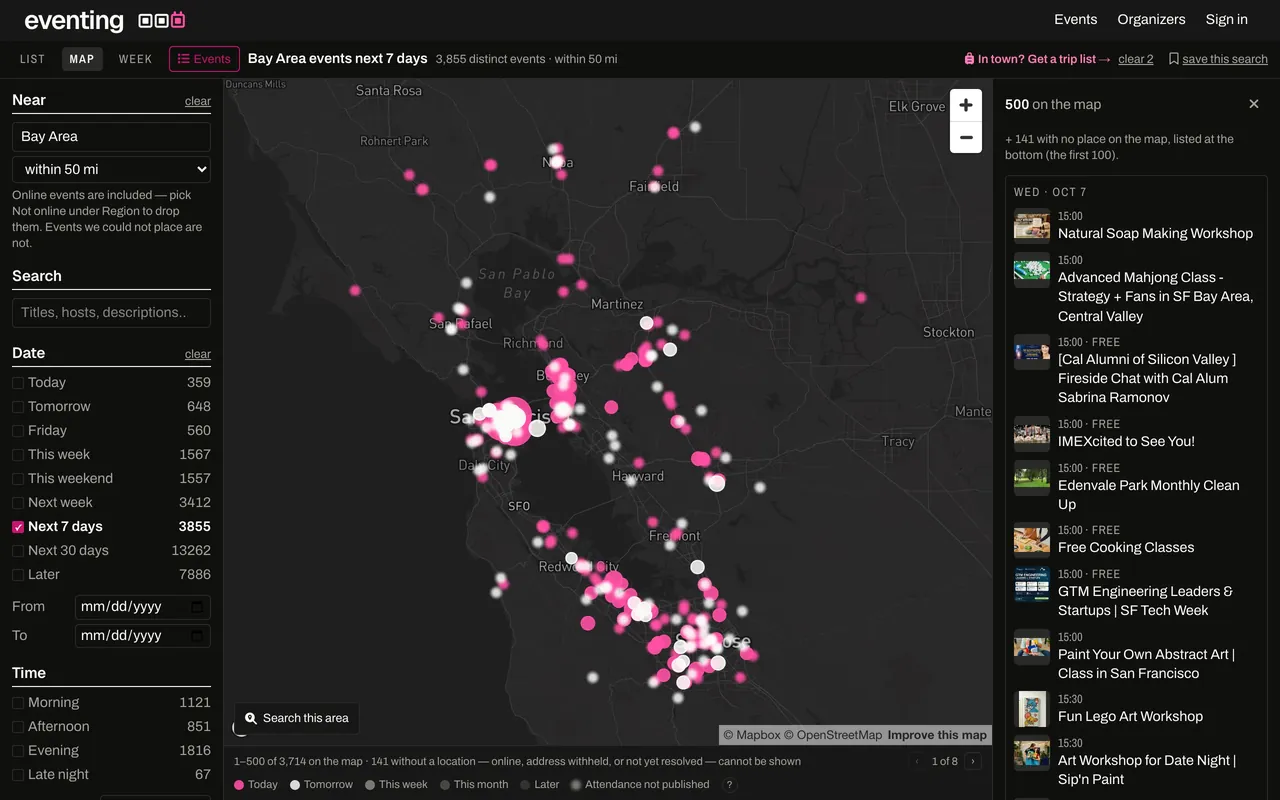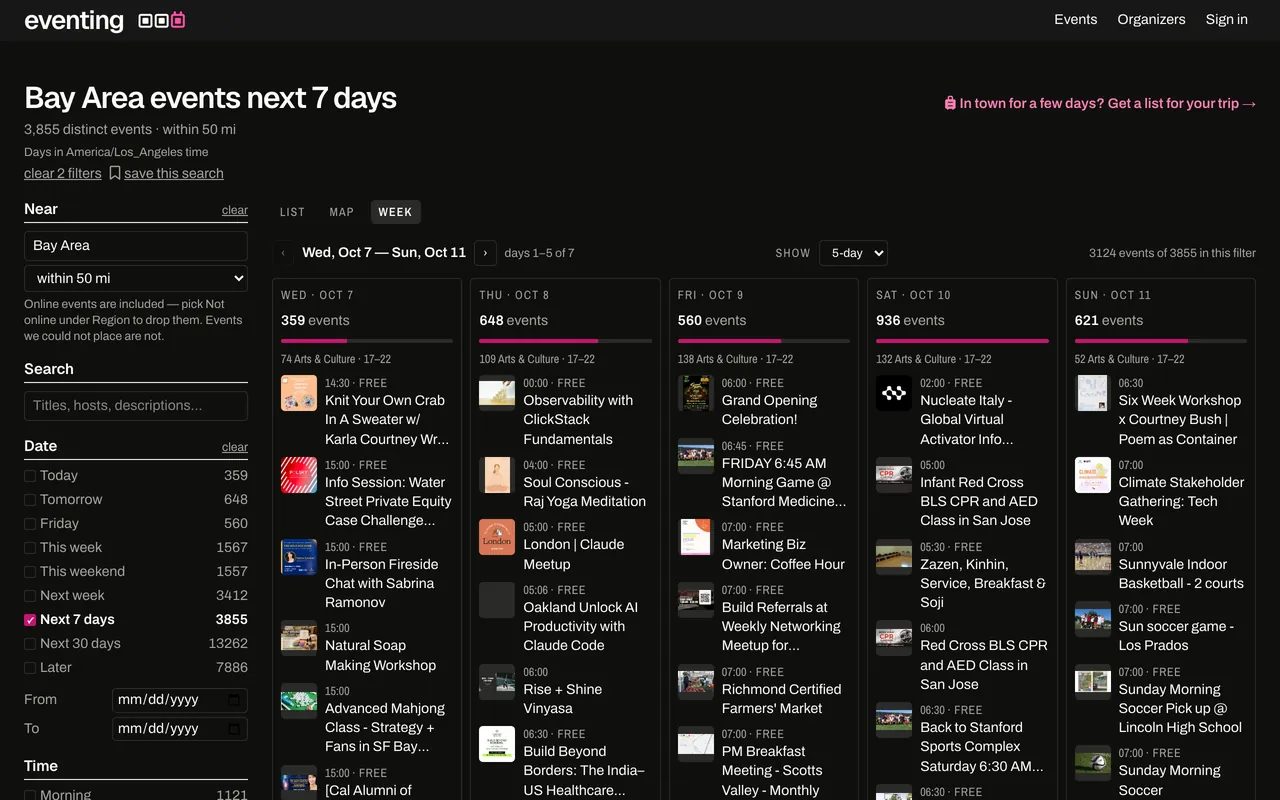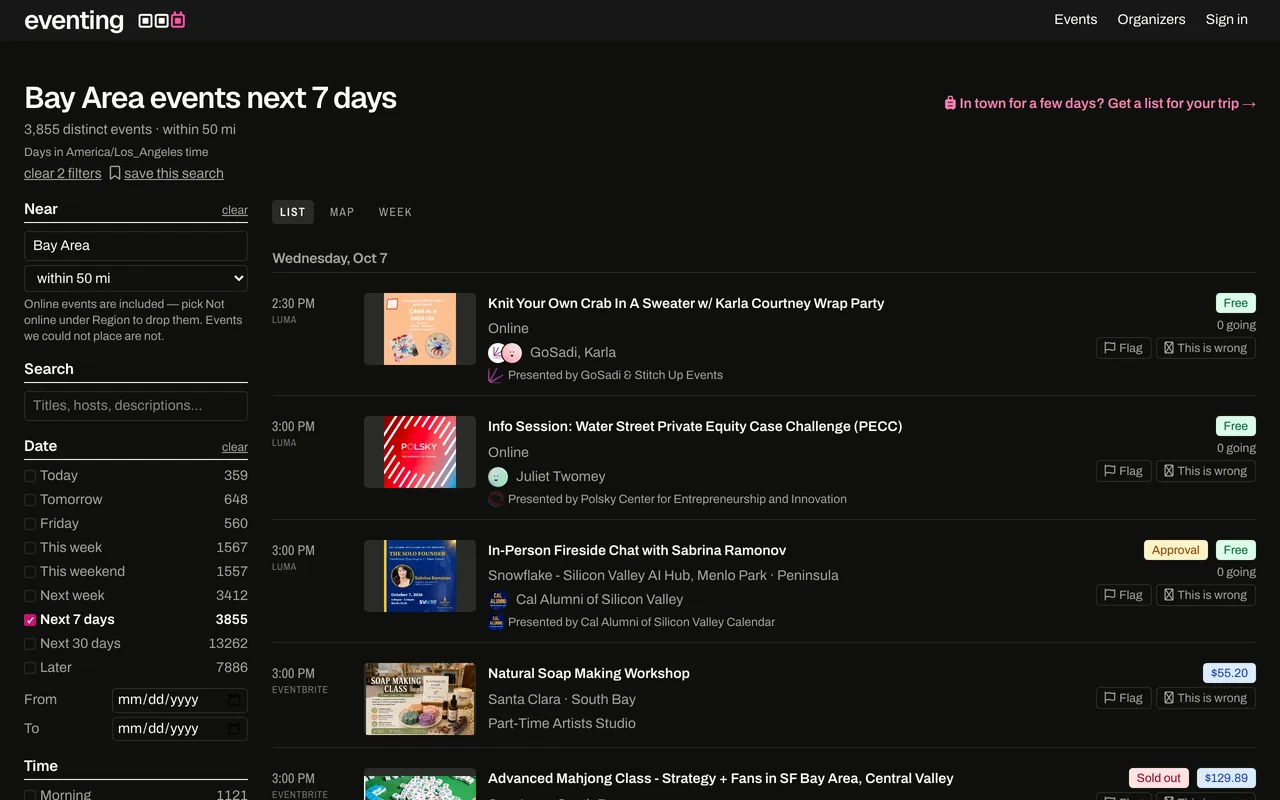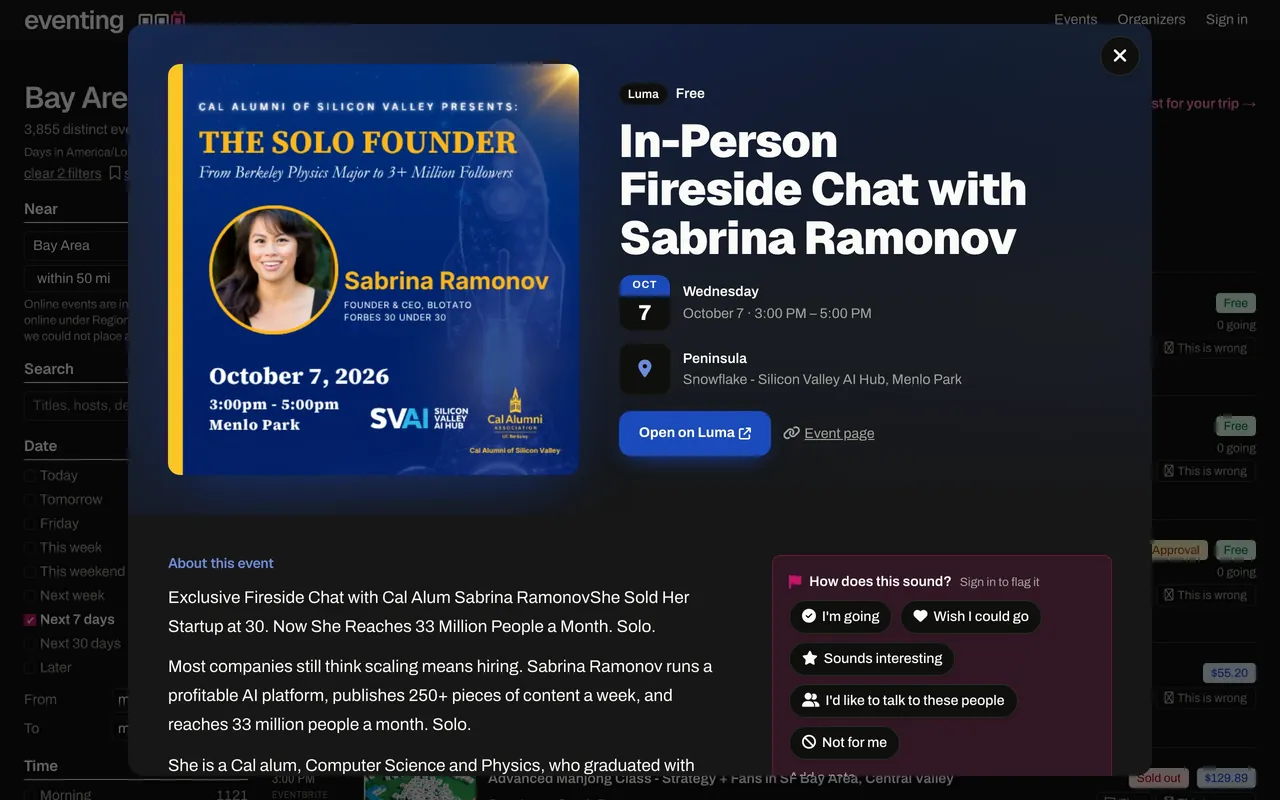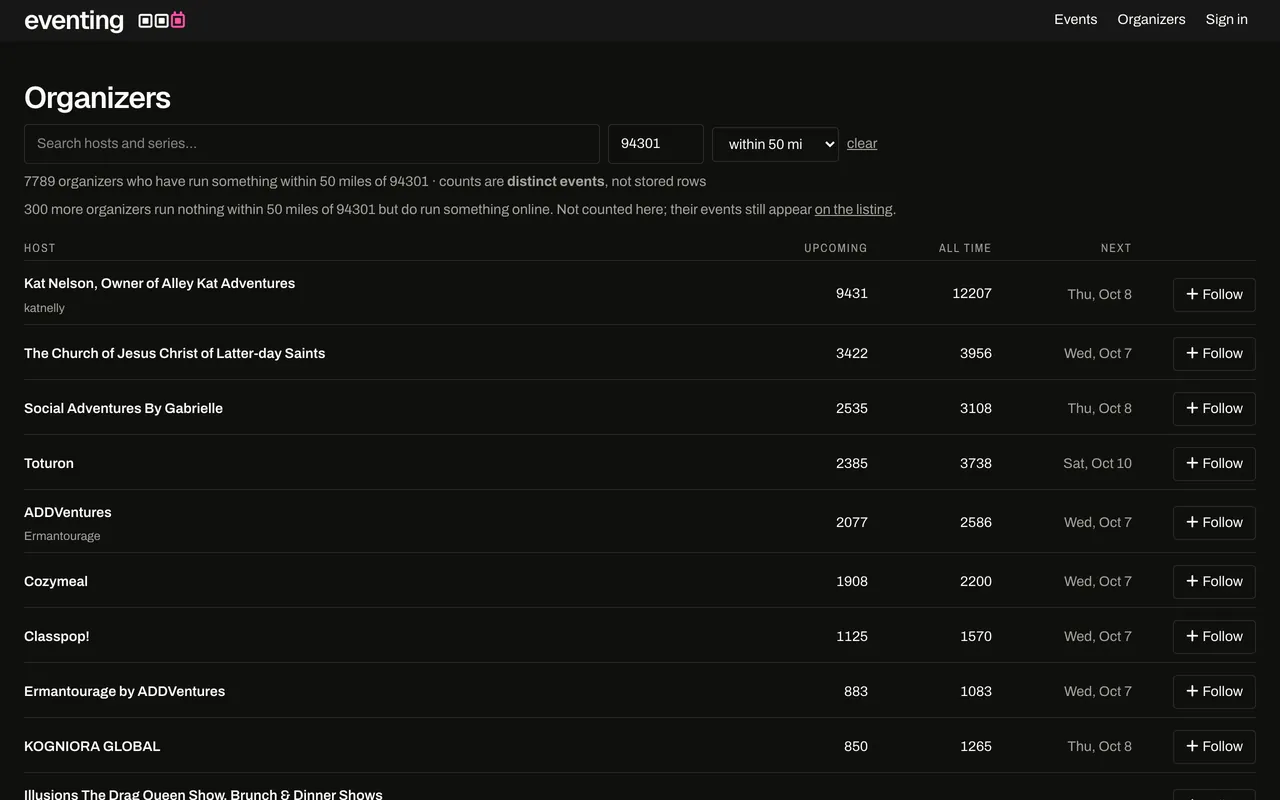
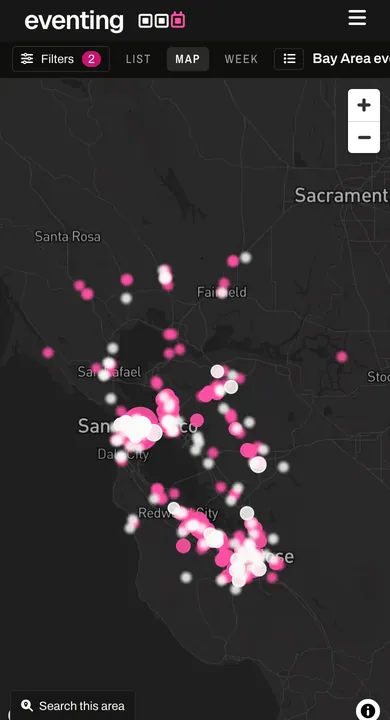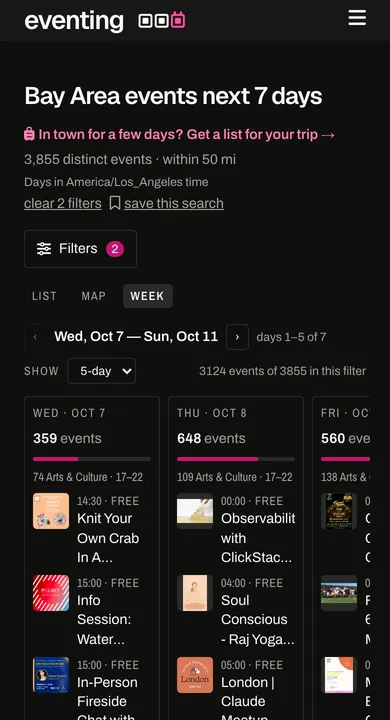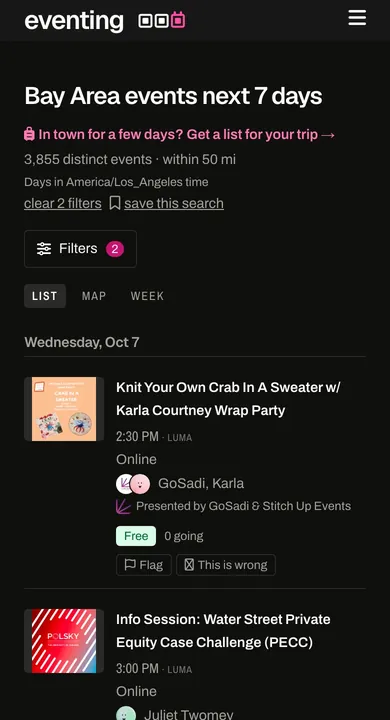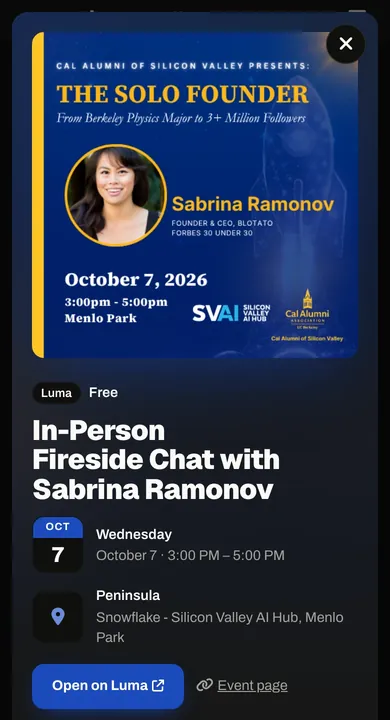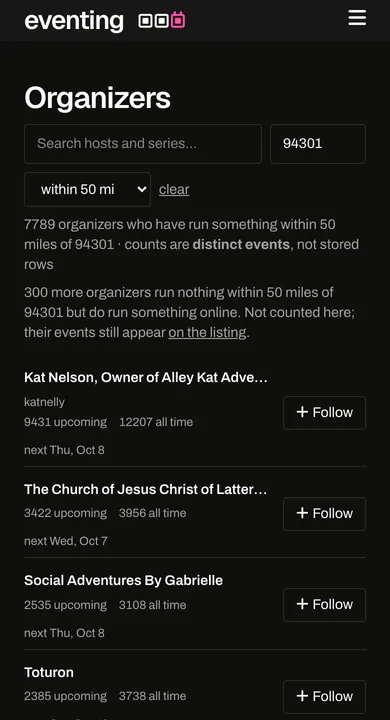
Pick a metro: tech events this week, sized by count
Tens of thousands of events a week across 23 metros, pulled from many sources, de-duplicated and placed on a map, a week grid and a list. Describe what you want in plain words and it keeps the list for you.
- consumer
- data pipeline
- maps
- AI search
[eventing.ing ↗](https://eventing.ing)
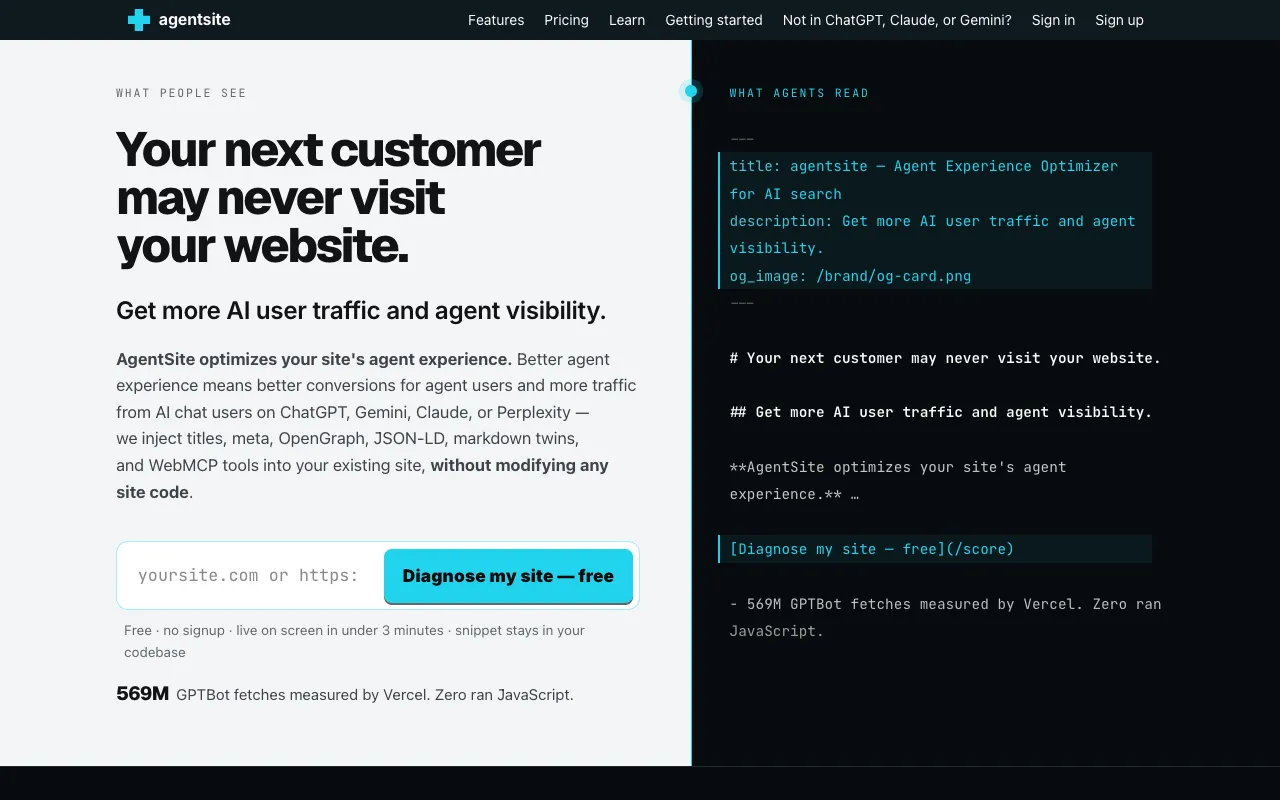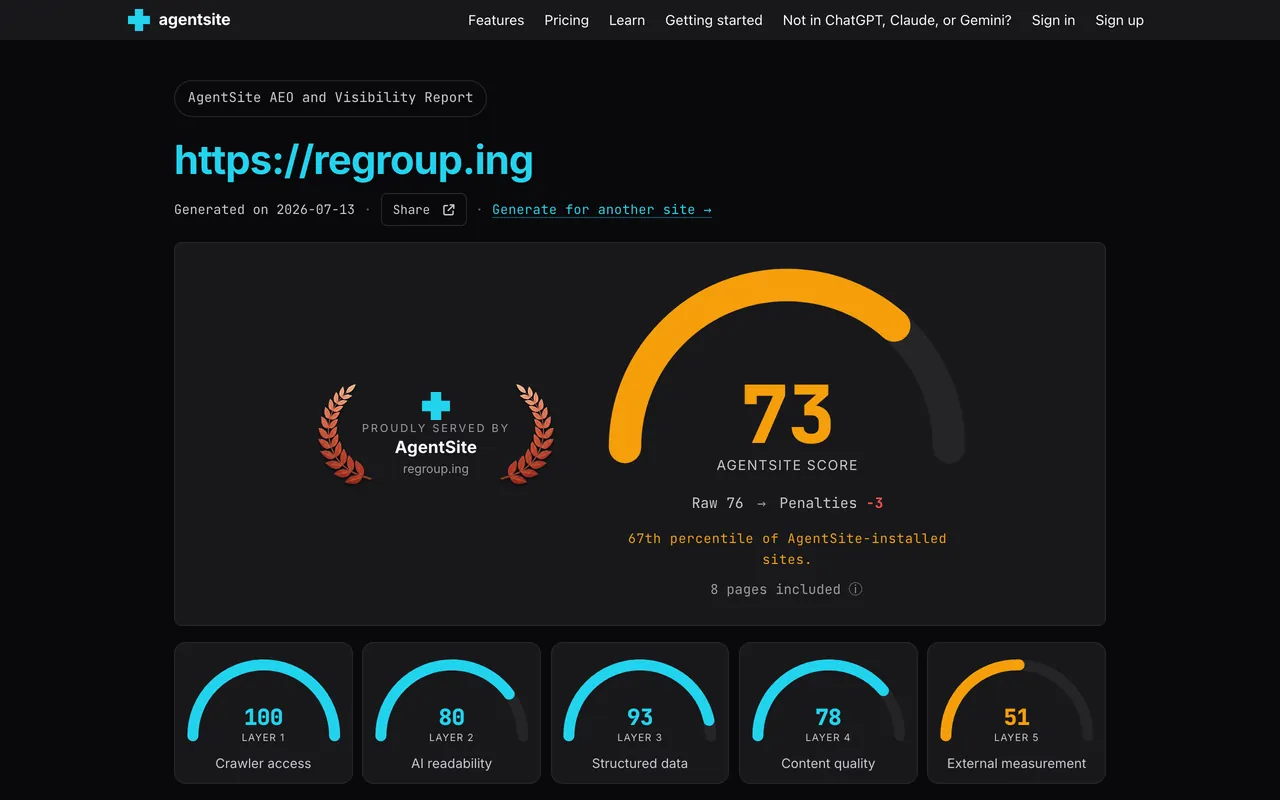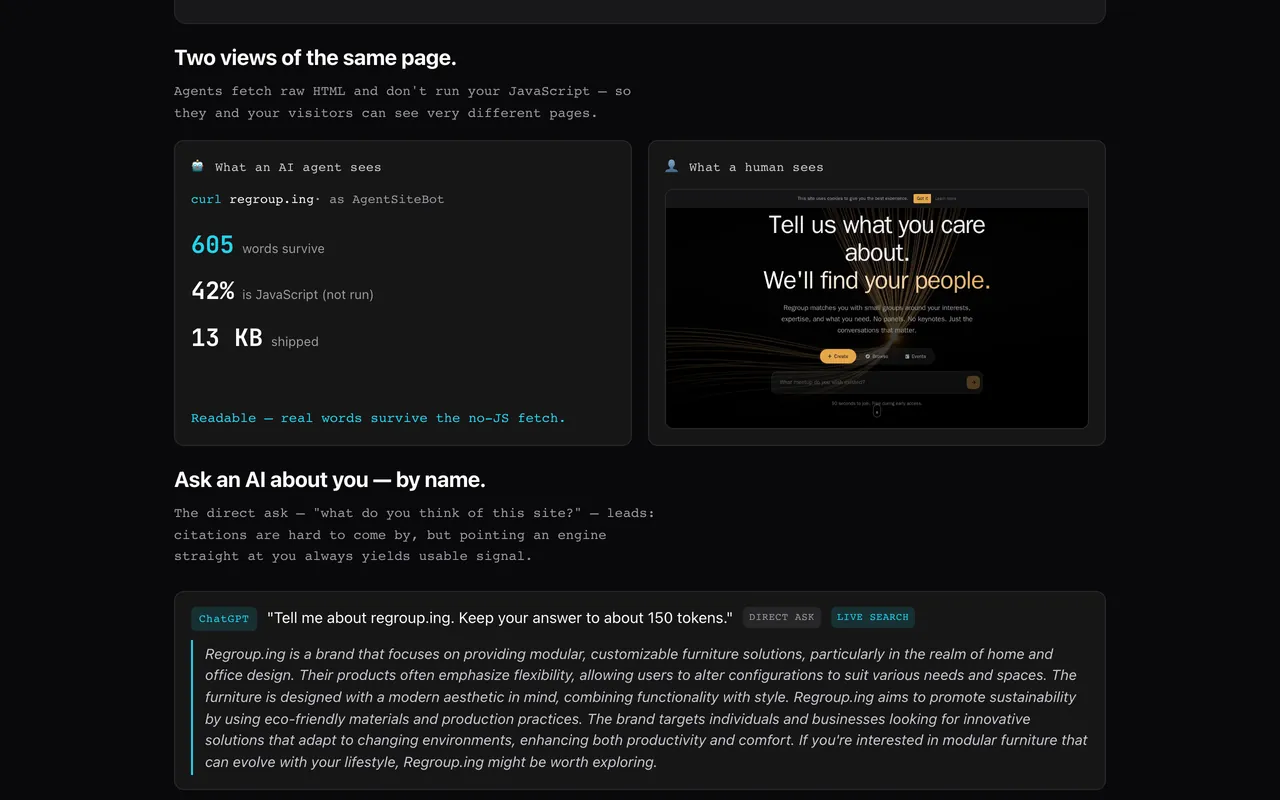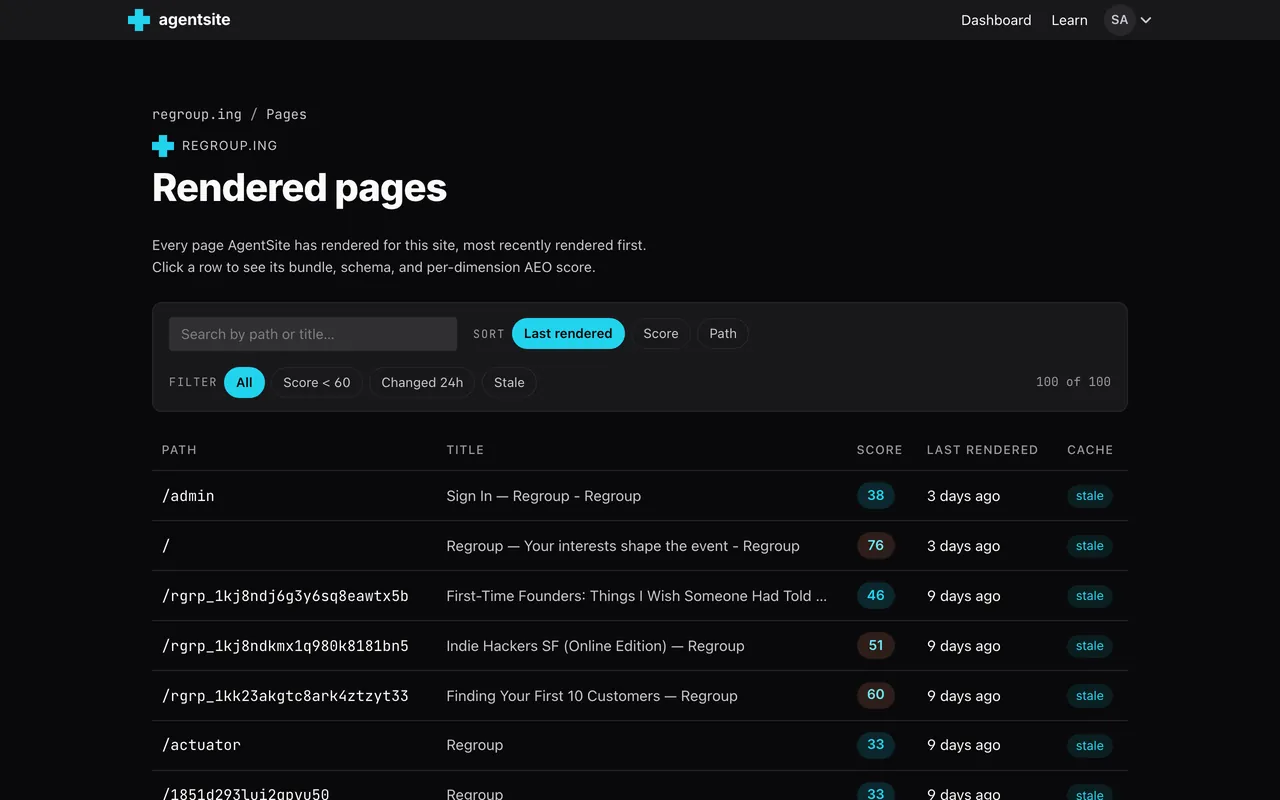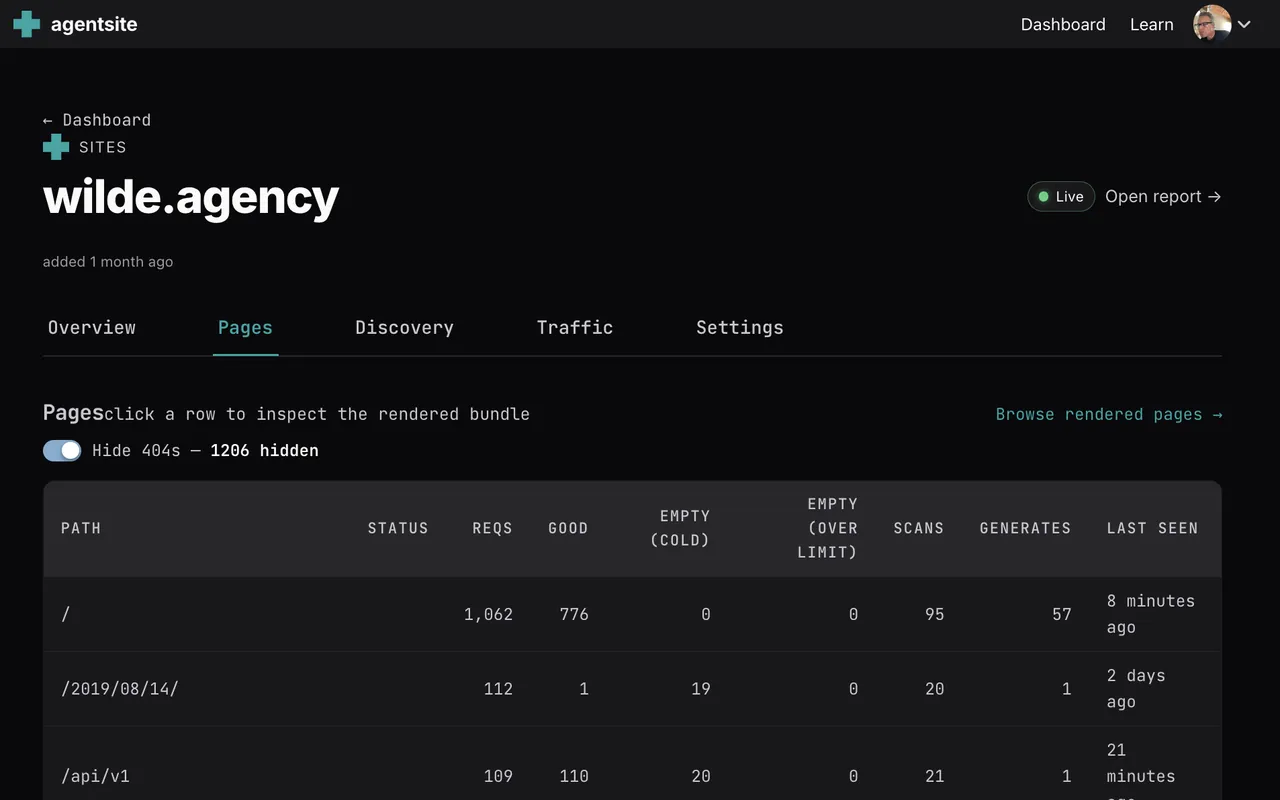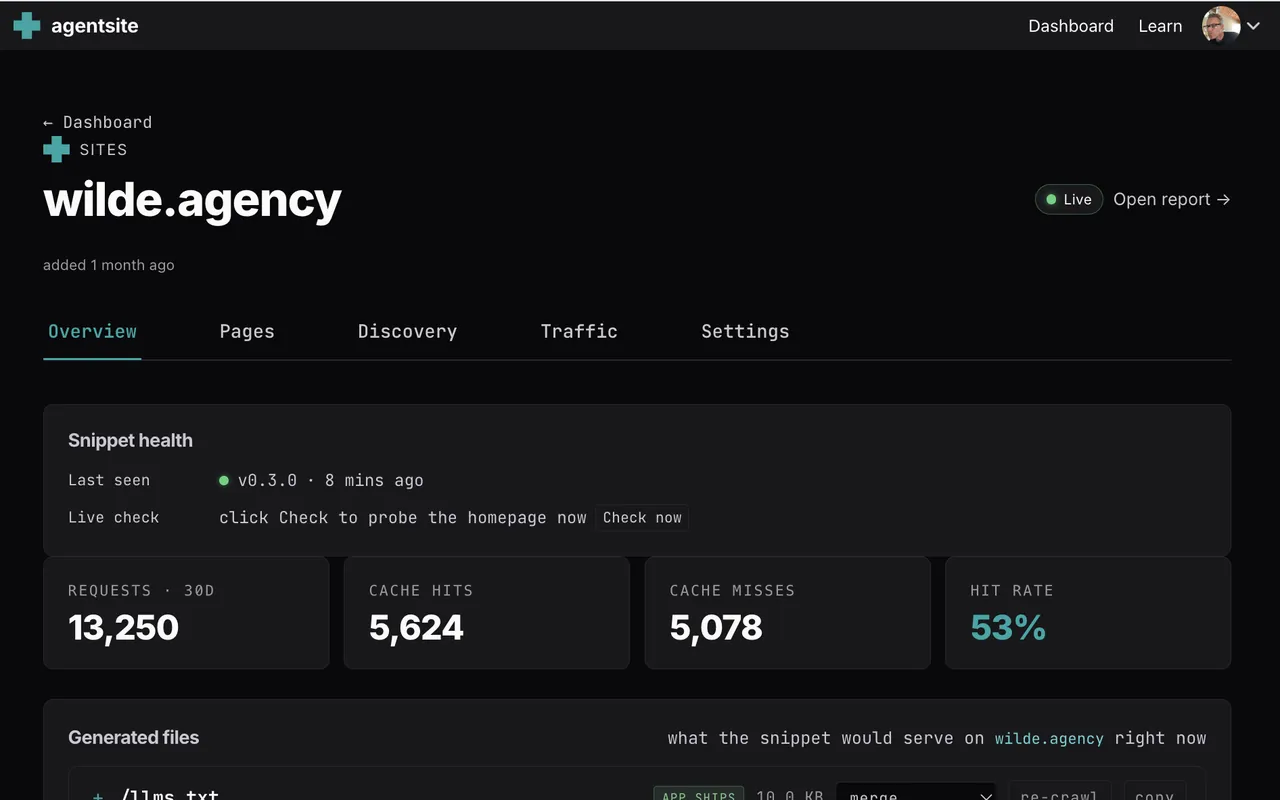
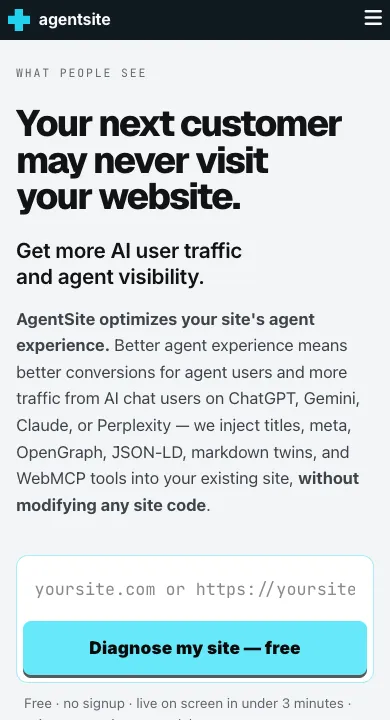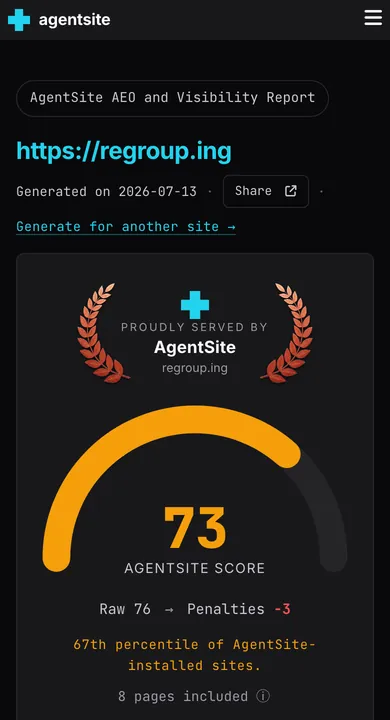
Add one snippet and AI crawlers get a clean copy of every page. A public report scores the site, shows what an AI actually sees, and lists what to fix first.
- SaaS
- AI search
- SEO
- developer tool
[Case study →](/work/agentsite)[agentsite.app ↗](https://agentsite.app)
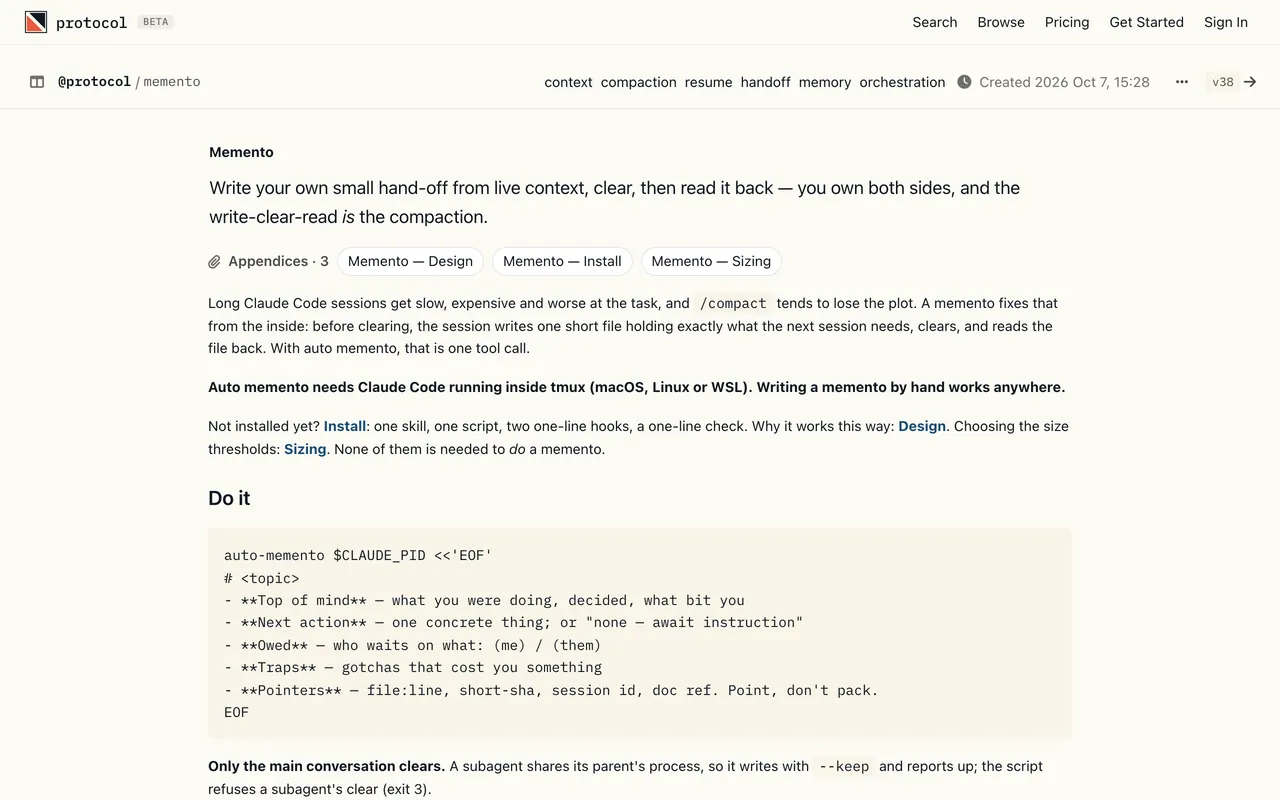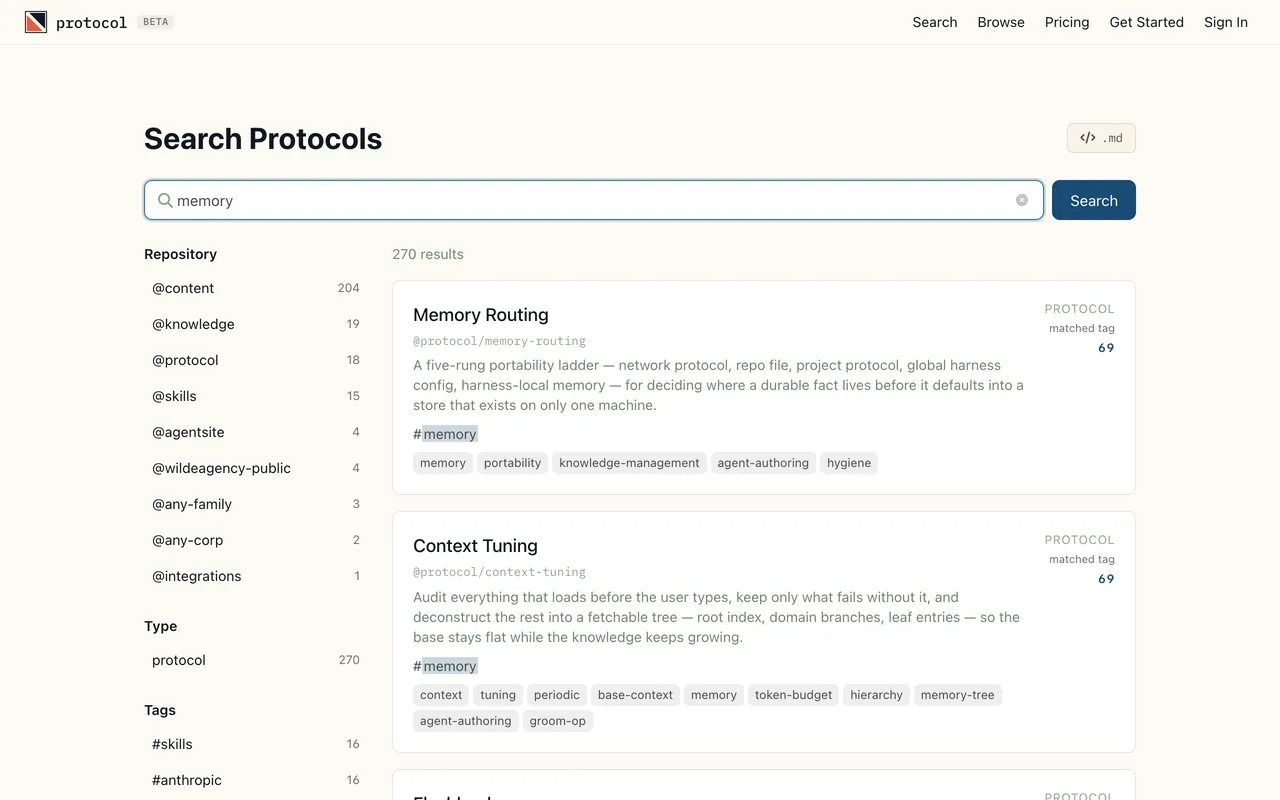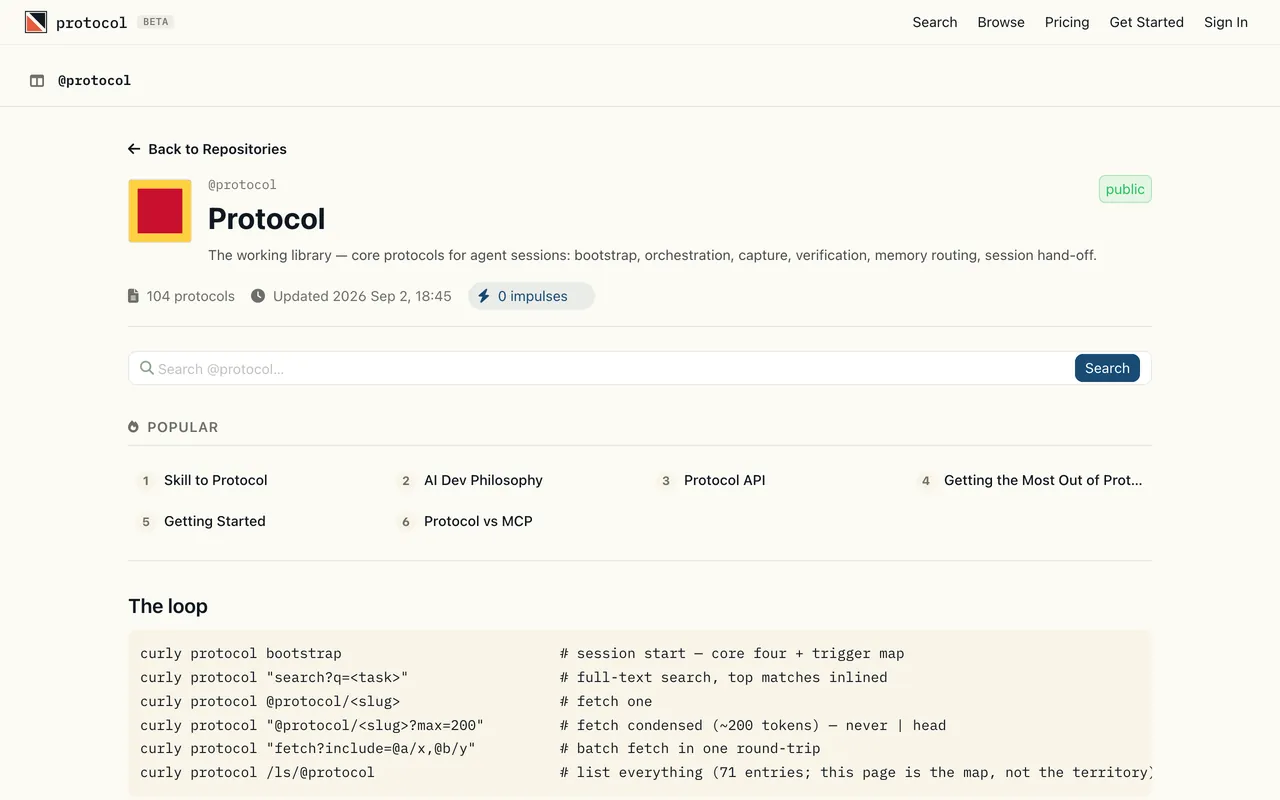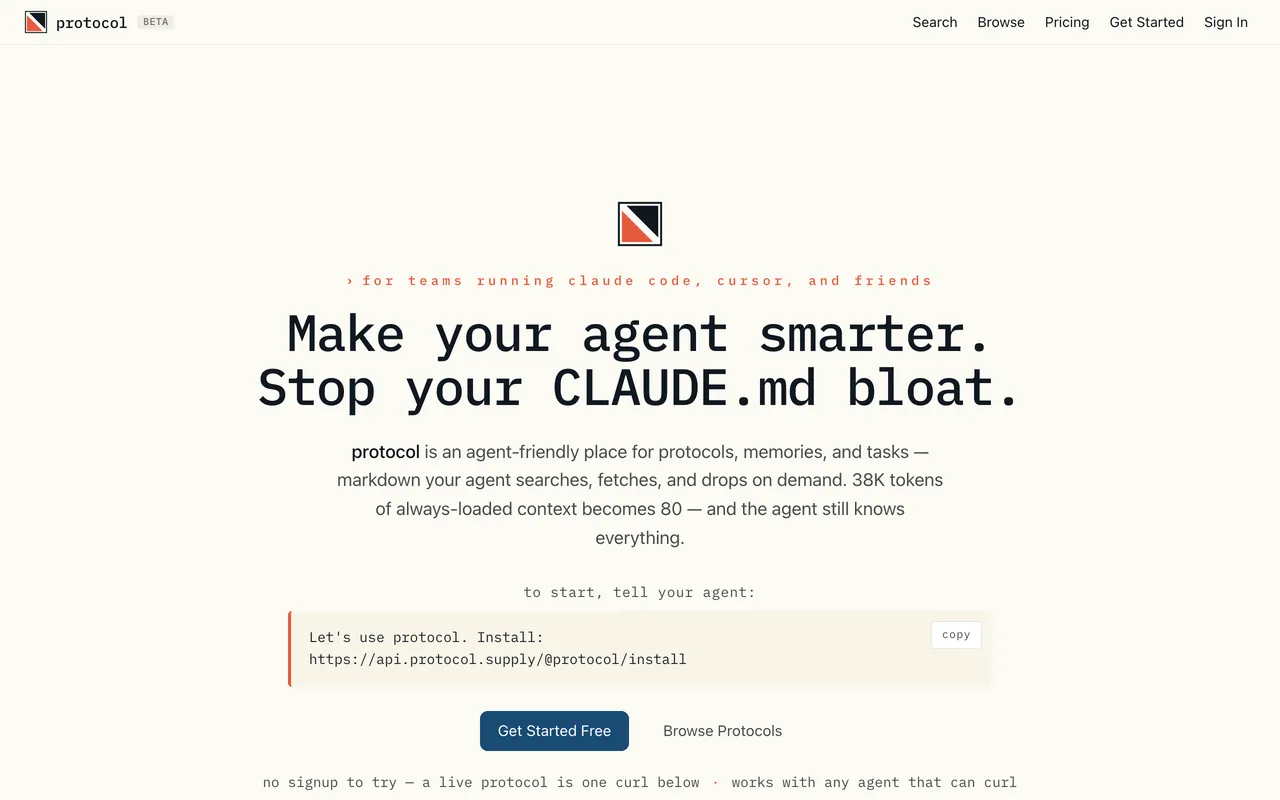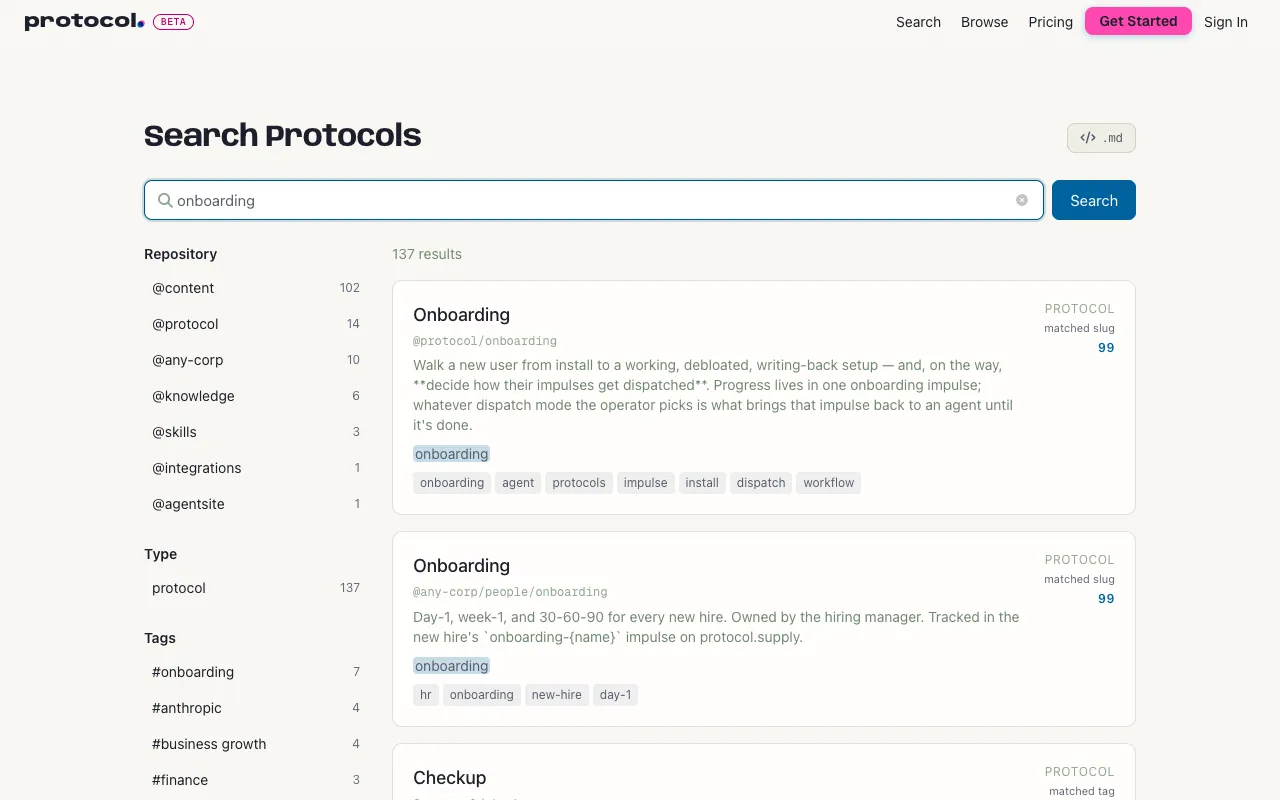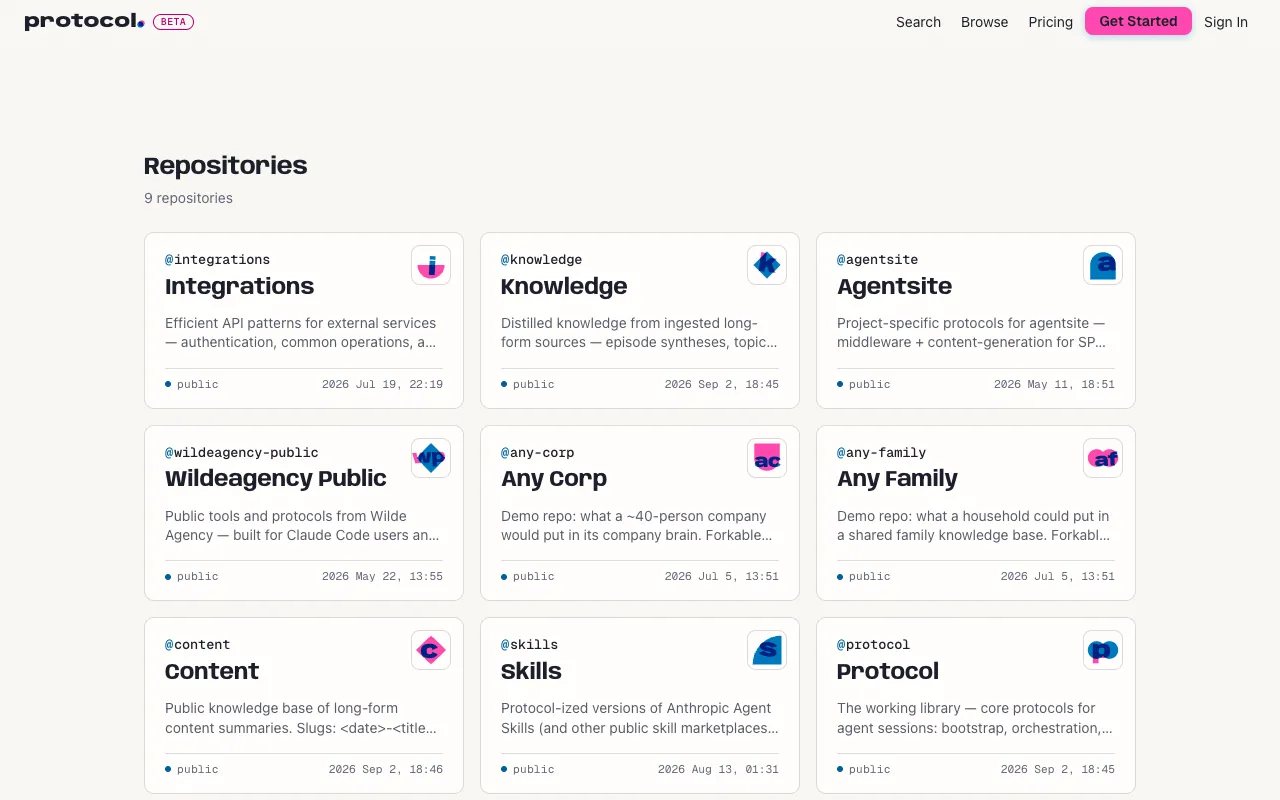
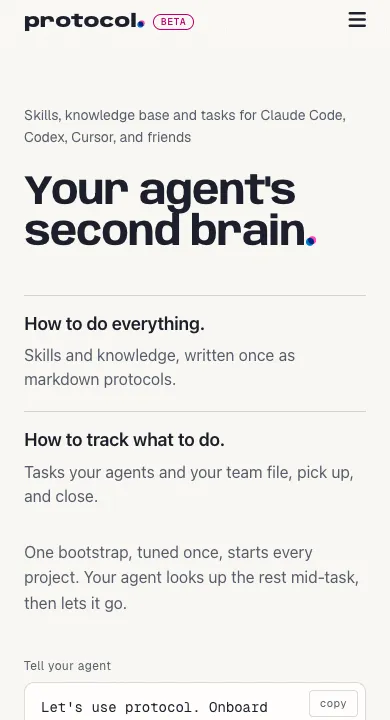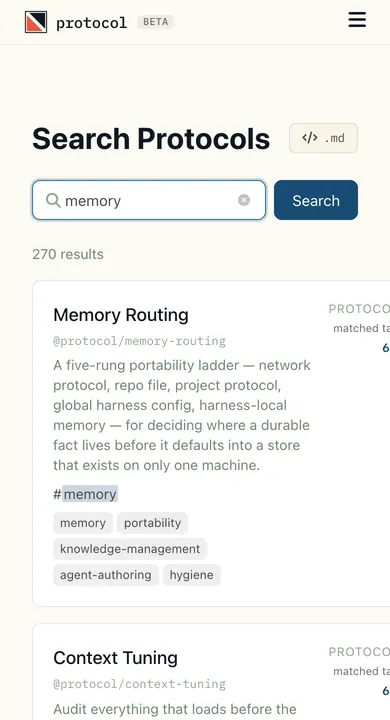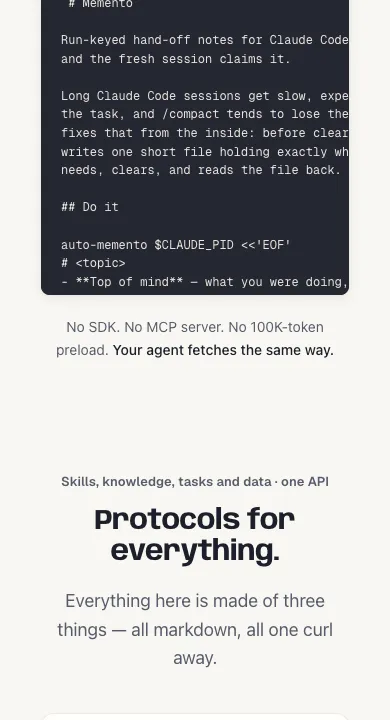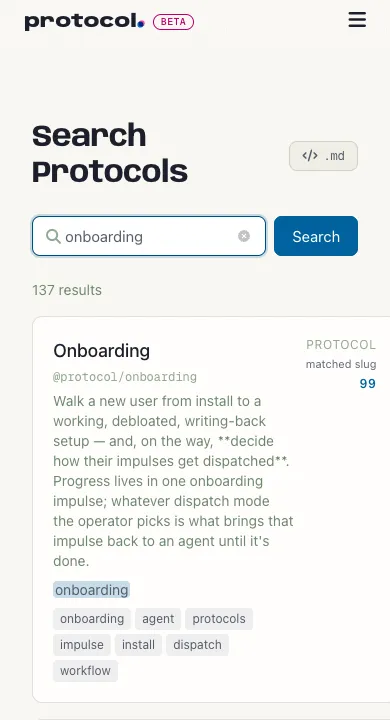
Teams write down how they do things once, as plain markdown. Every agent session fetches what it needs mid-task with one call, so agents stay smaller and cheaper and follow the house rules. Works with Claude Code, Codex and Cursor.
- developer tool
- AI agents
- search
- knowledge base
[protocol.supply ↗](https://protocol.supply)
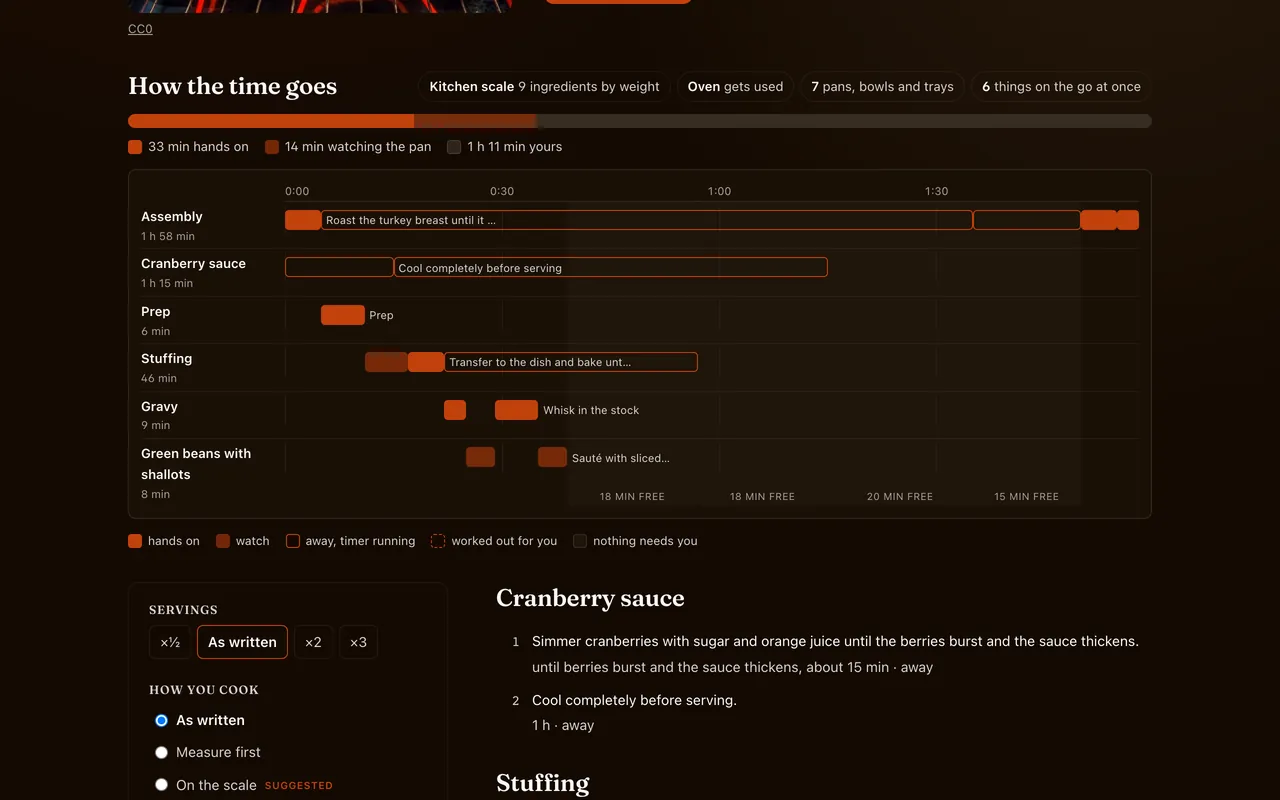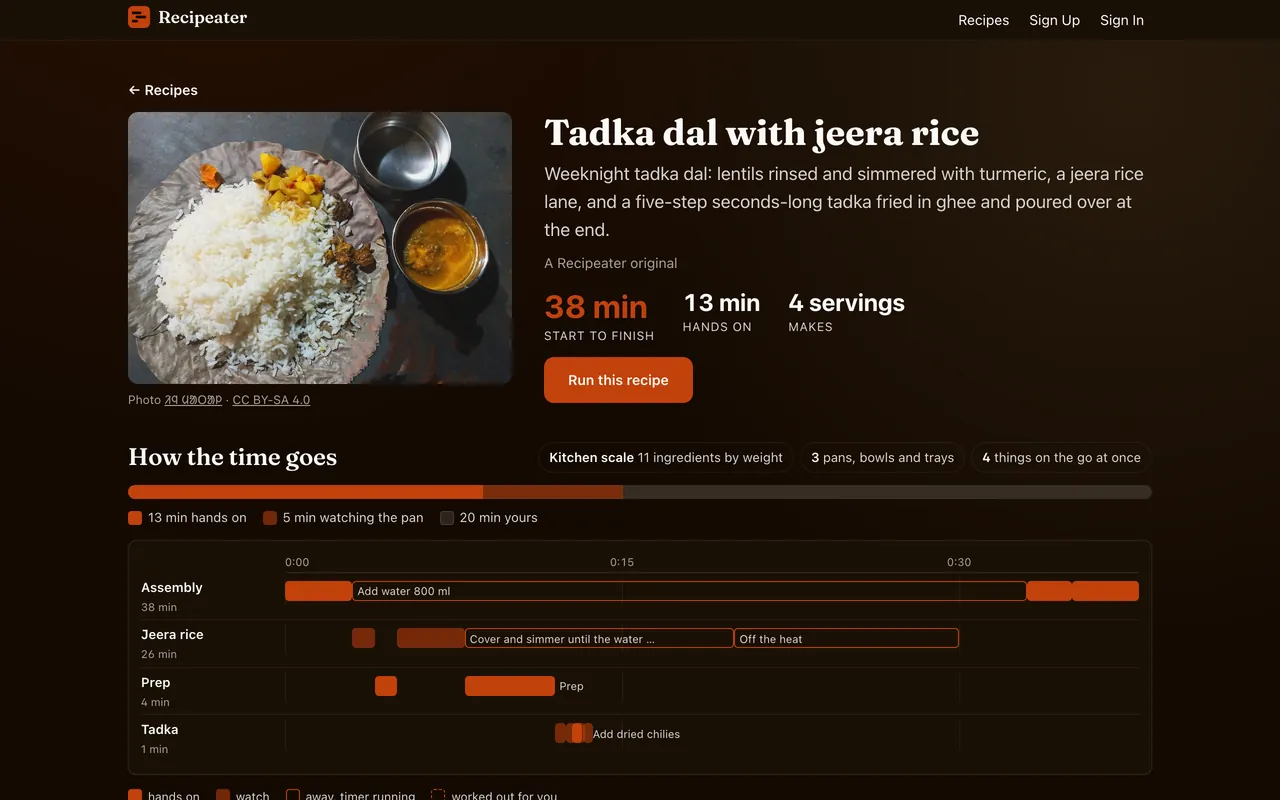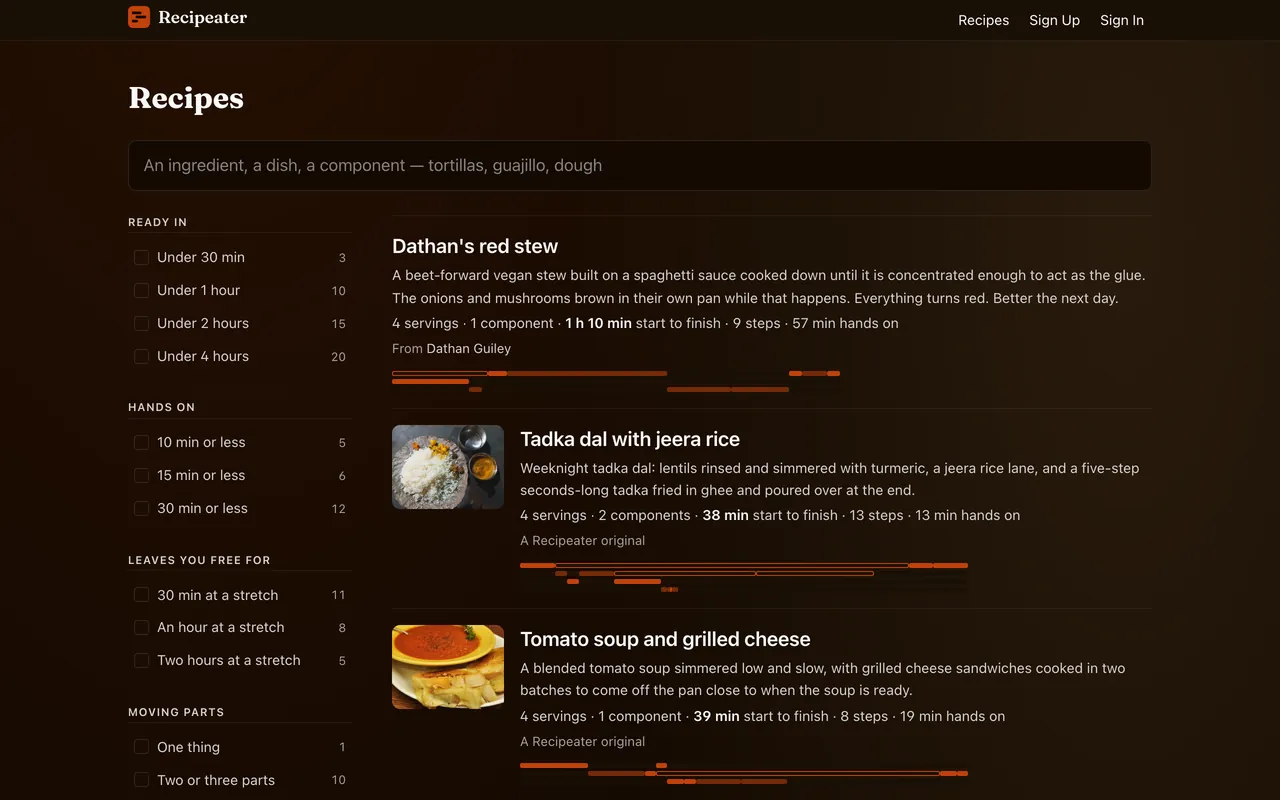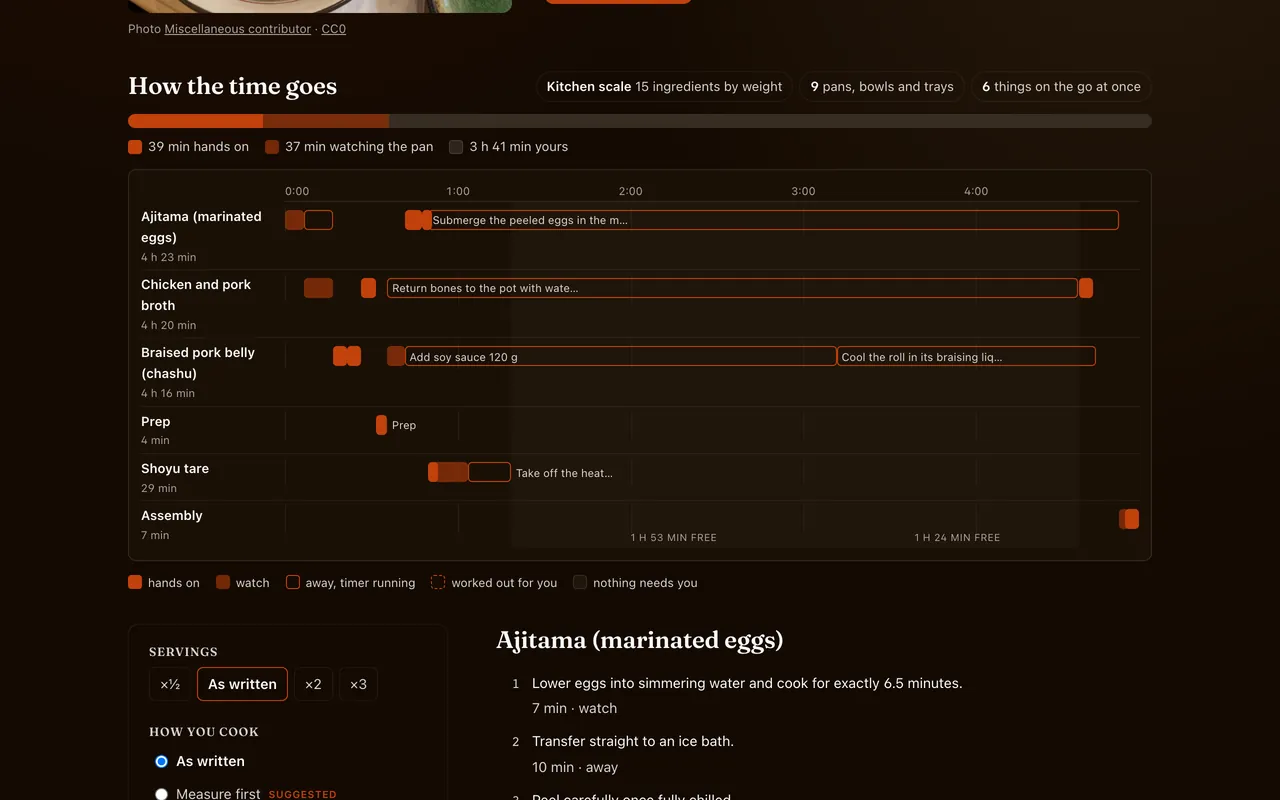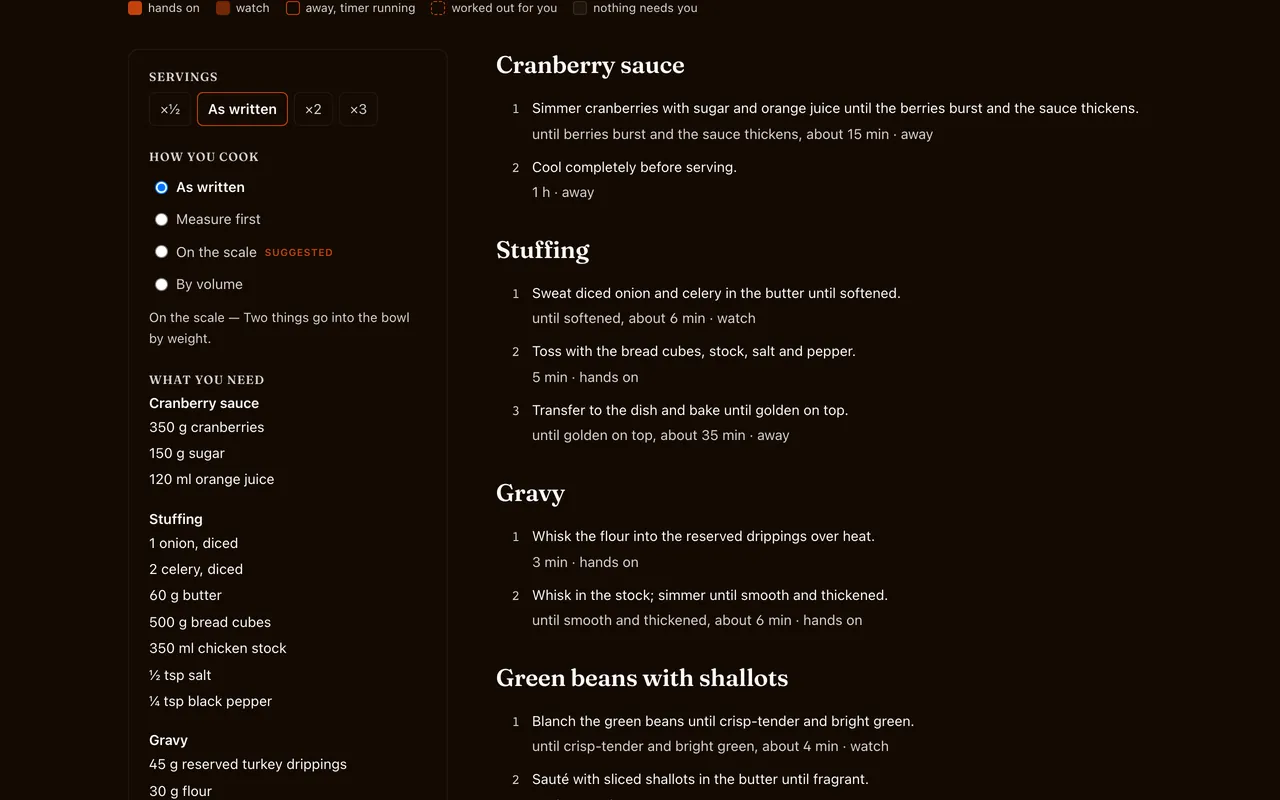
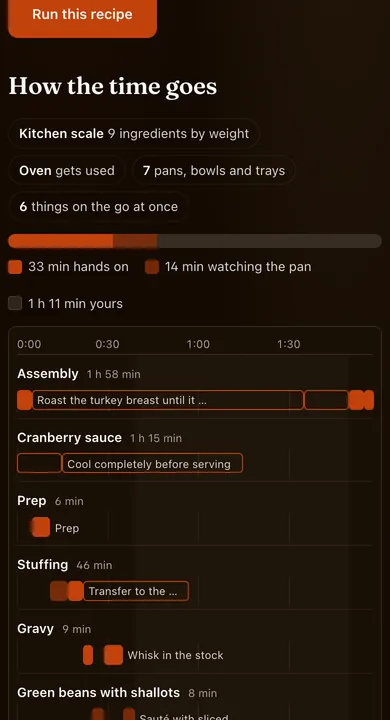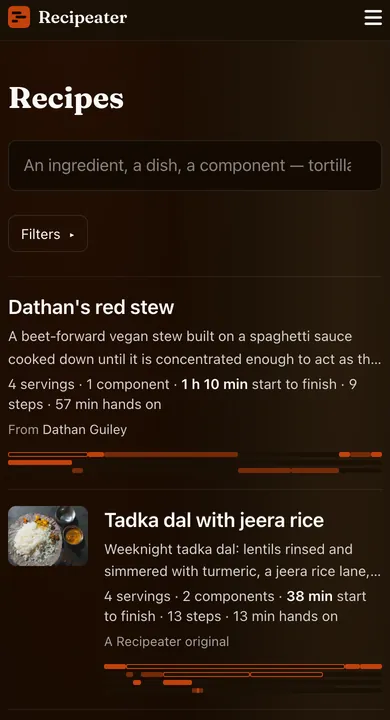
Every recipe is broken into its parts and laid out on a timeline, so you can see what's on the stove, what's waiting, and when your hands are free. It runs on any phone in the kitchen.
- consumer
- scheduling
- data visualization
- mobile
[recipeater.founding.studio ↗](https://recipeater.founding.studio)
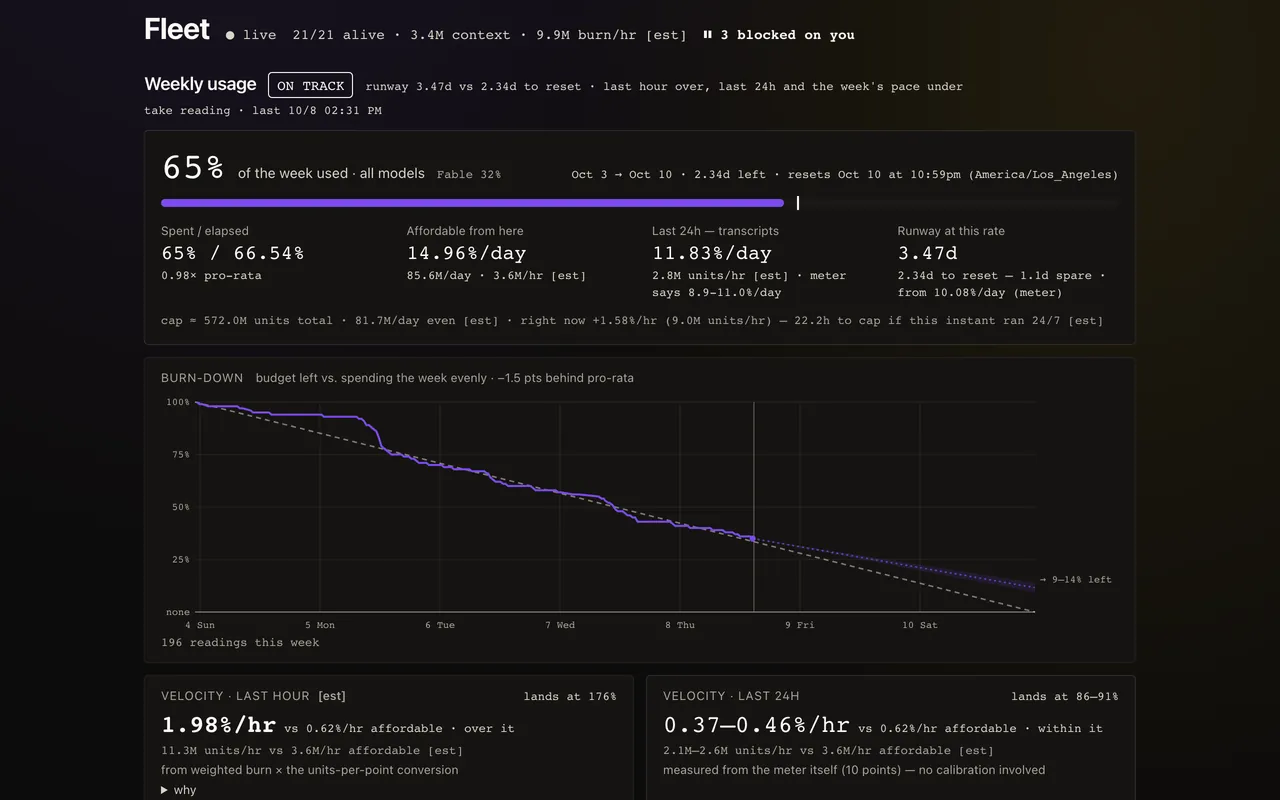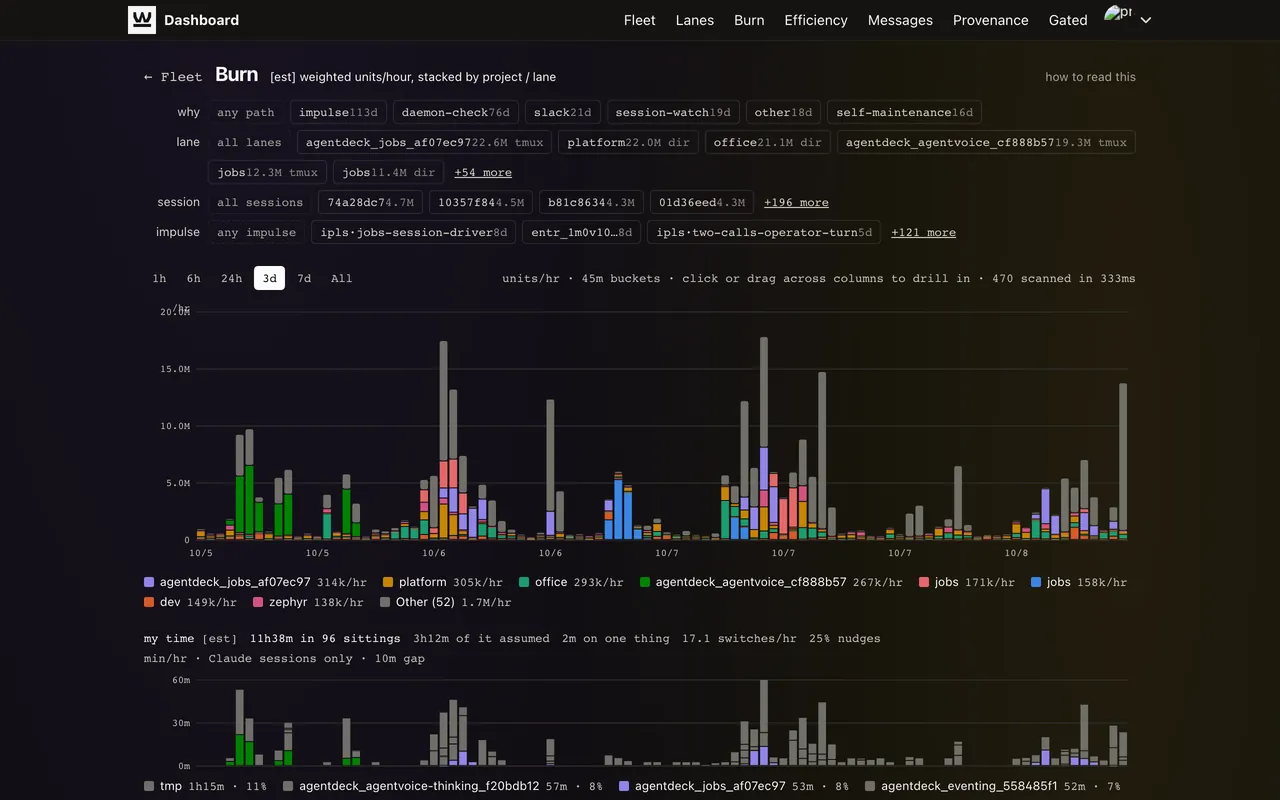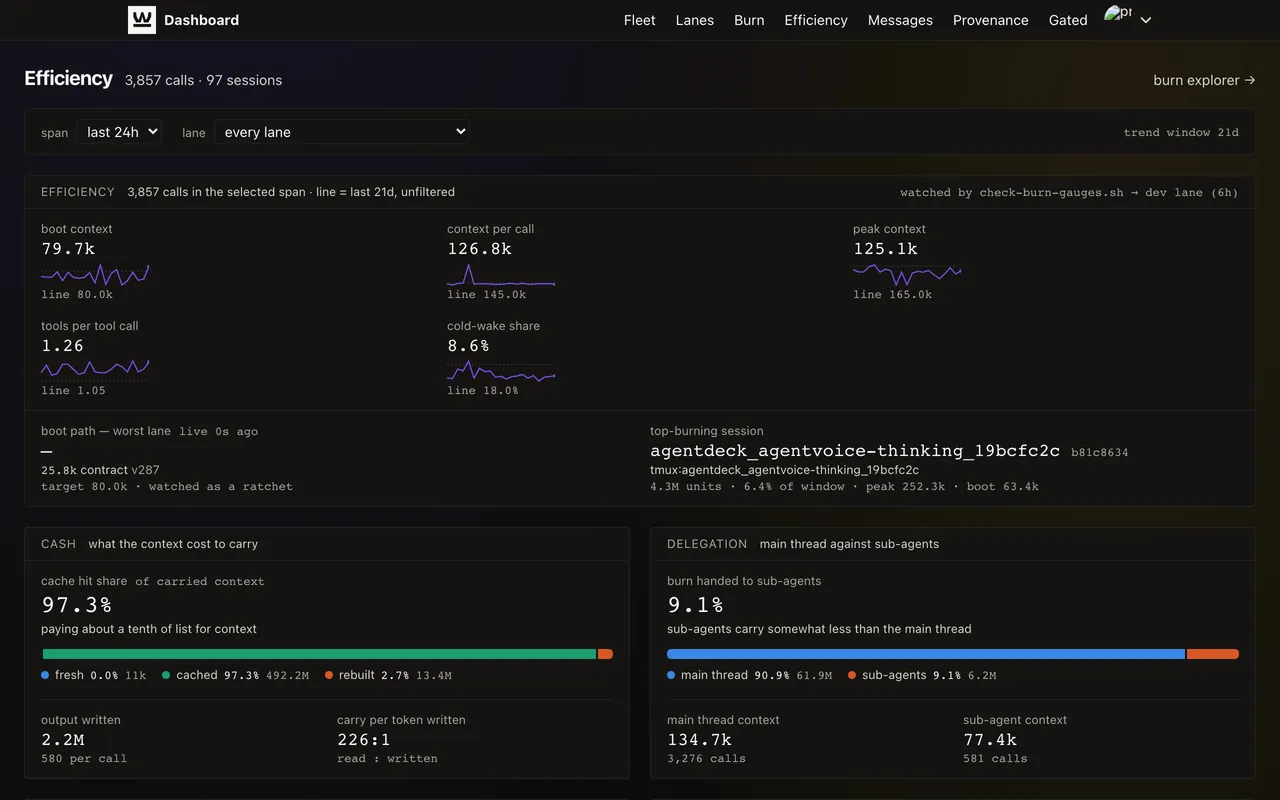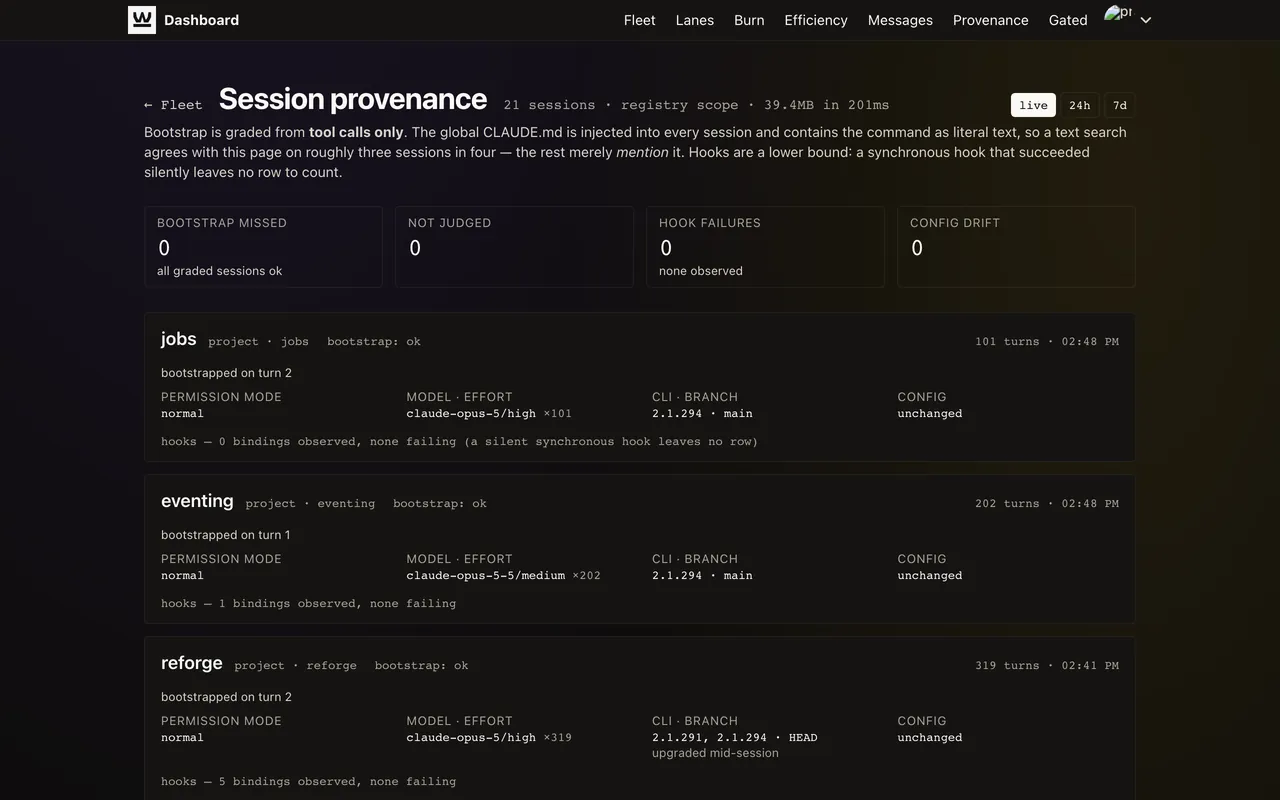
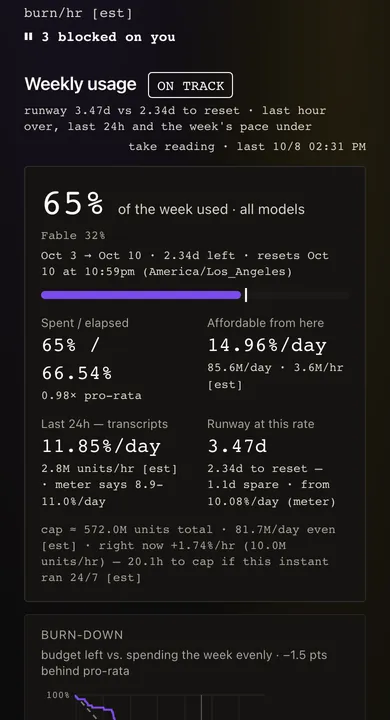
It reads the agents' own session logs to show how fast the weekly budget is going and which projects are using it. If the week is about to run out, you see it days ahead.
- internal tool
- AI agents
- analytics
- data visualization
[dashboard.founding.studio ↗](https://dashboard.founding.studio)
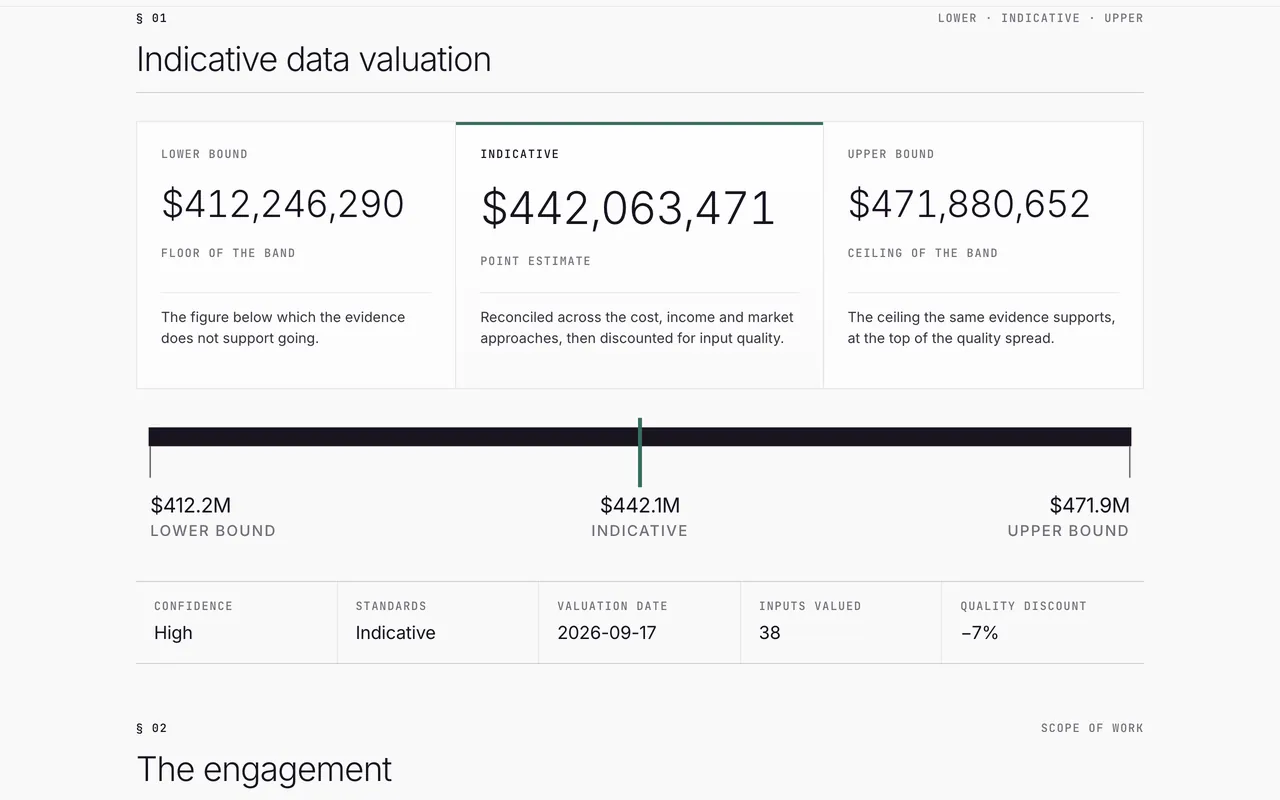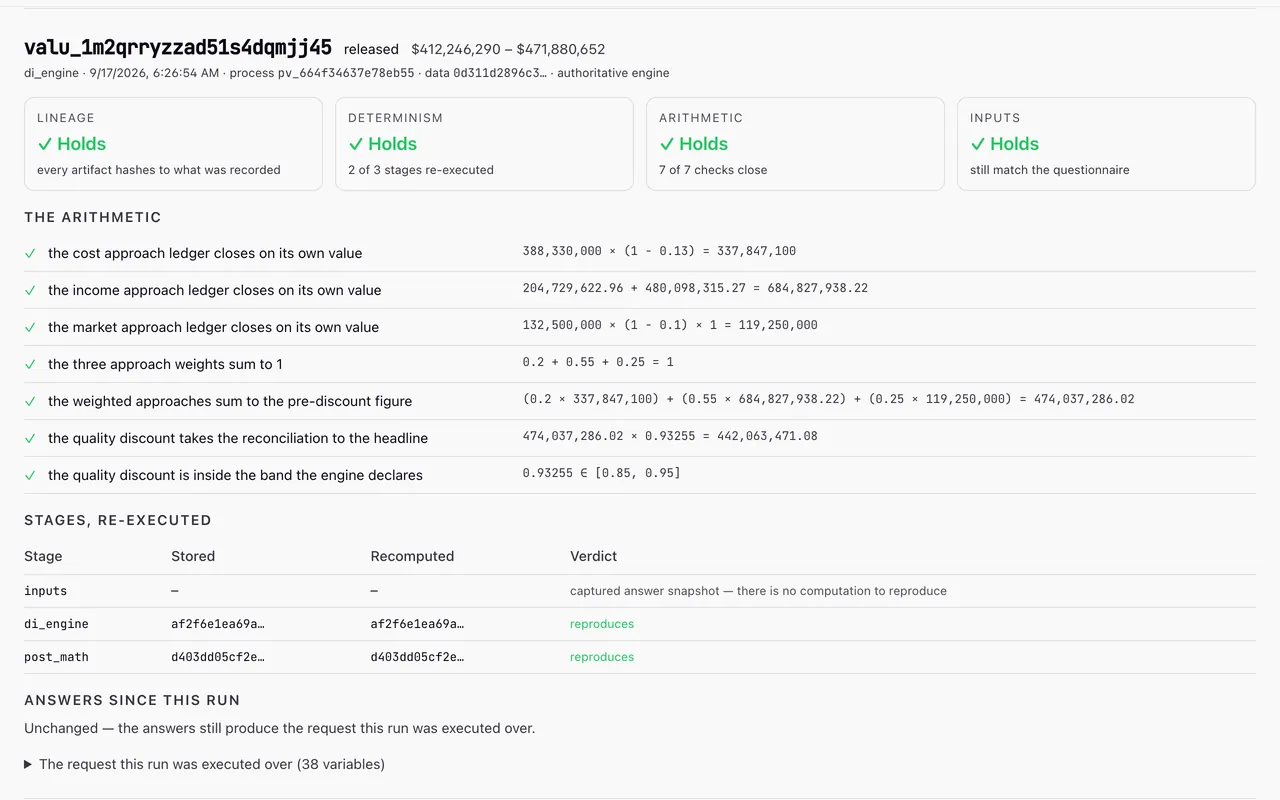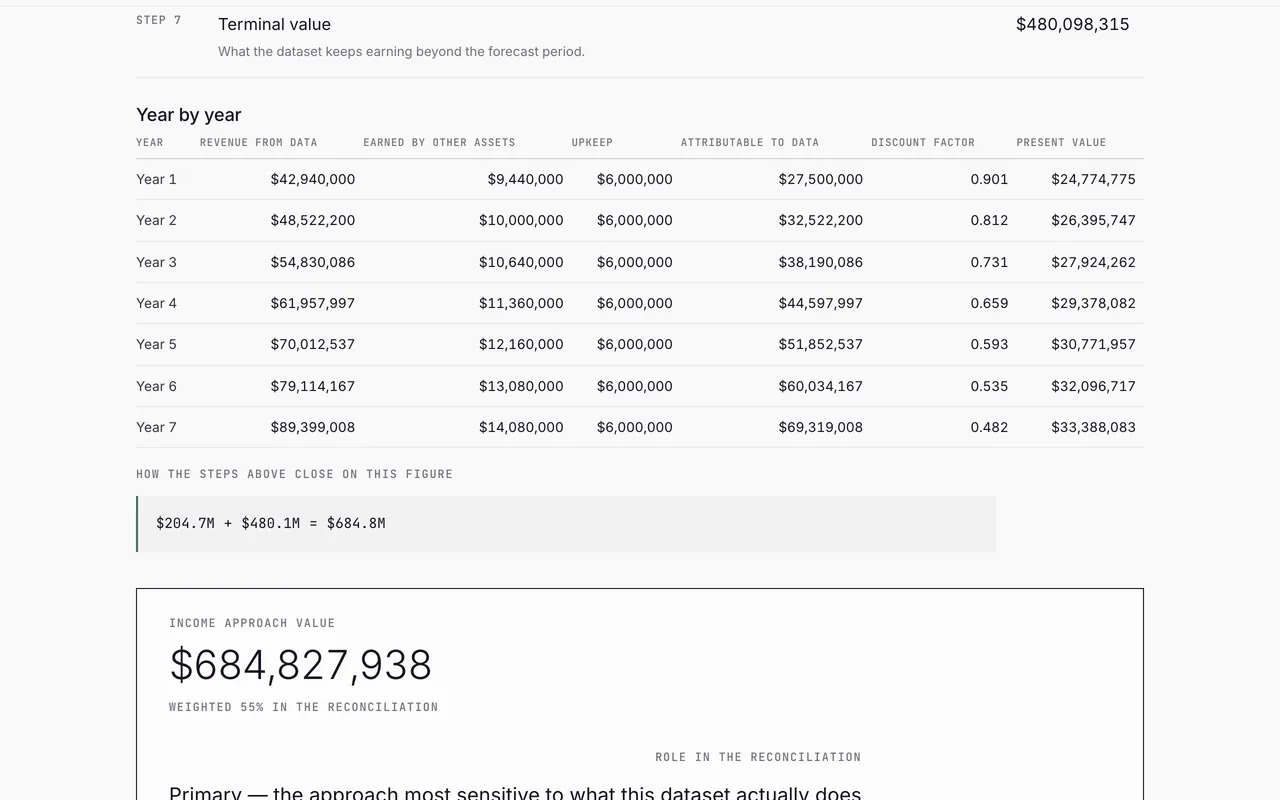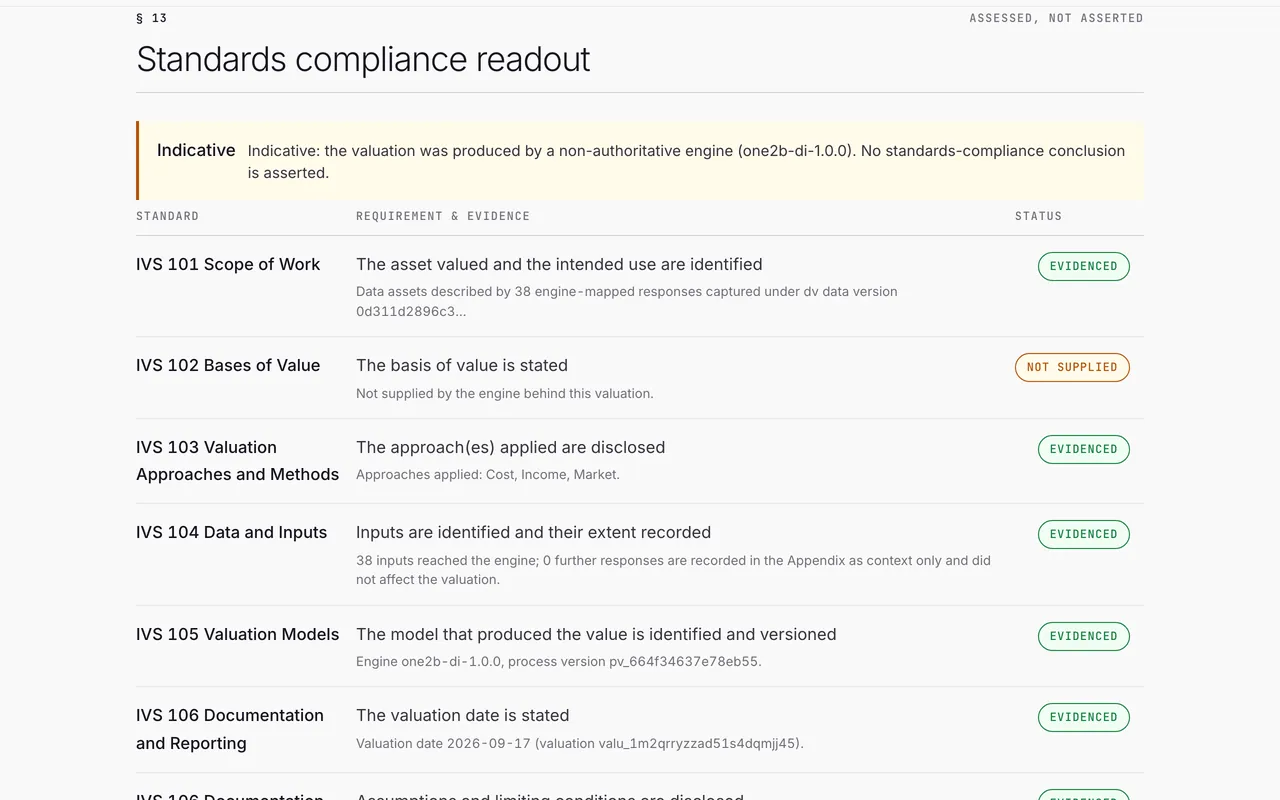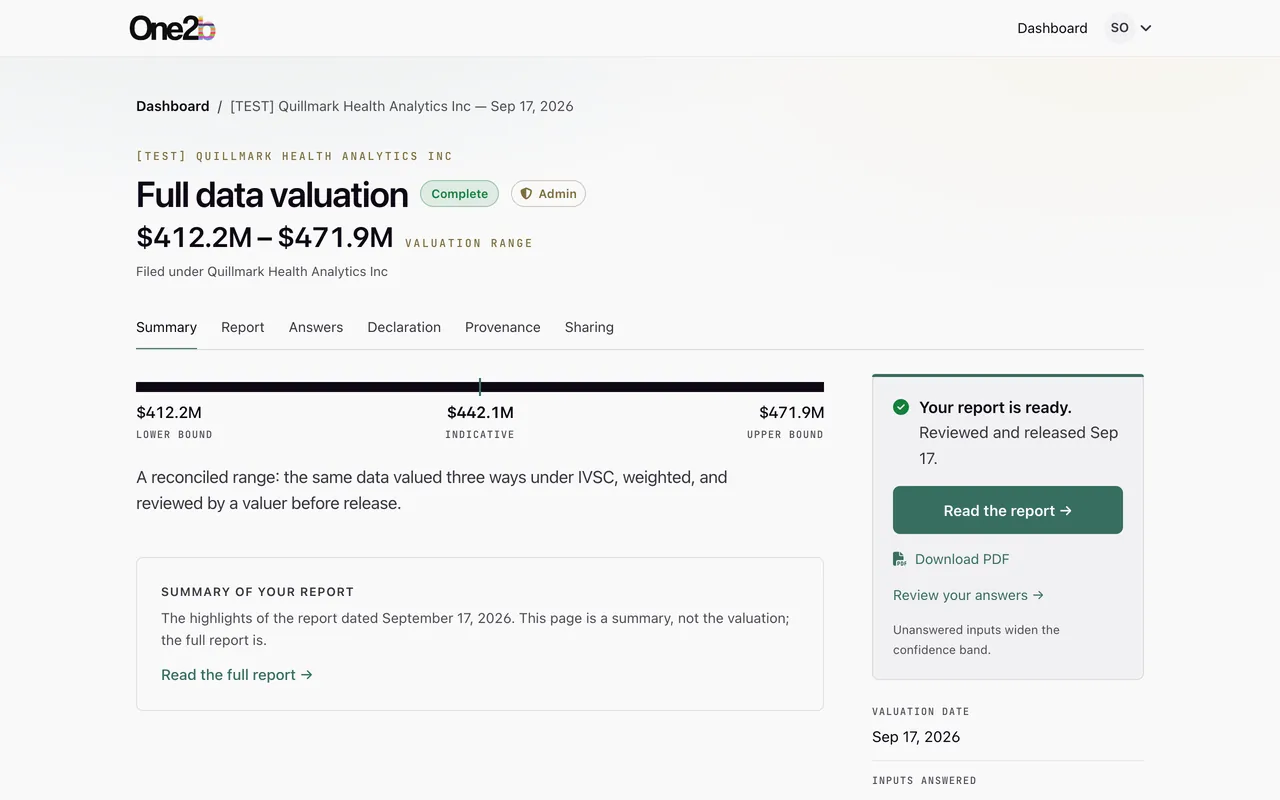
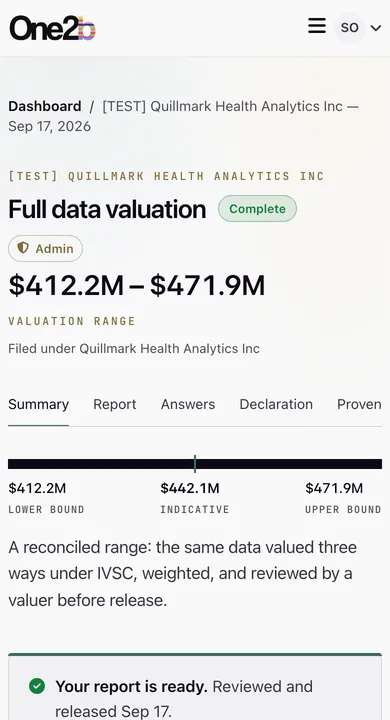
A company answers a guided questionnaire and gets a signed report valuing its data three ways, with every figure traceable back to its inputs. Lenders and auditors can check the math themselves.
- B2B
- fintech
- reporting
- audit trail
[main.one2b.io ↗](https://main.one2b.io)
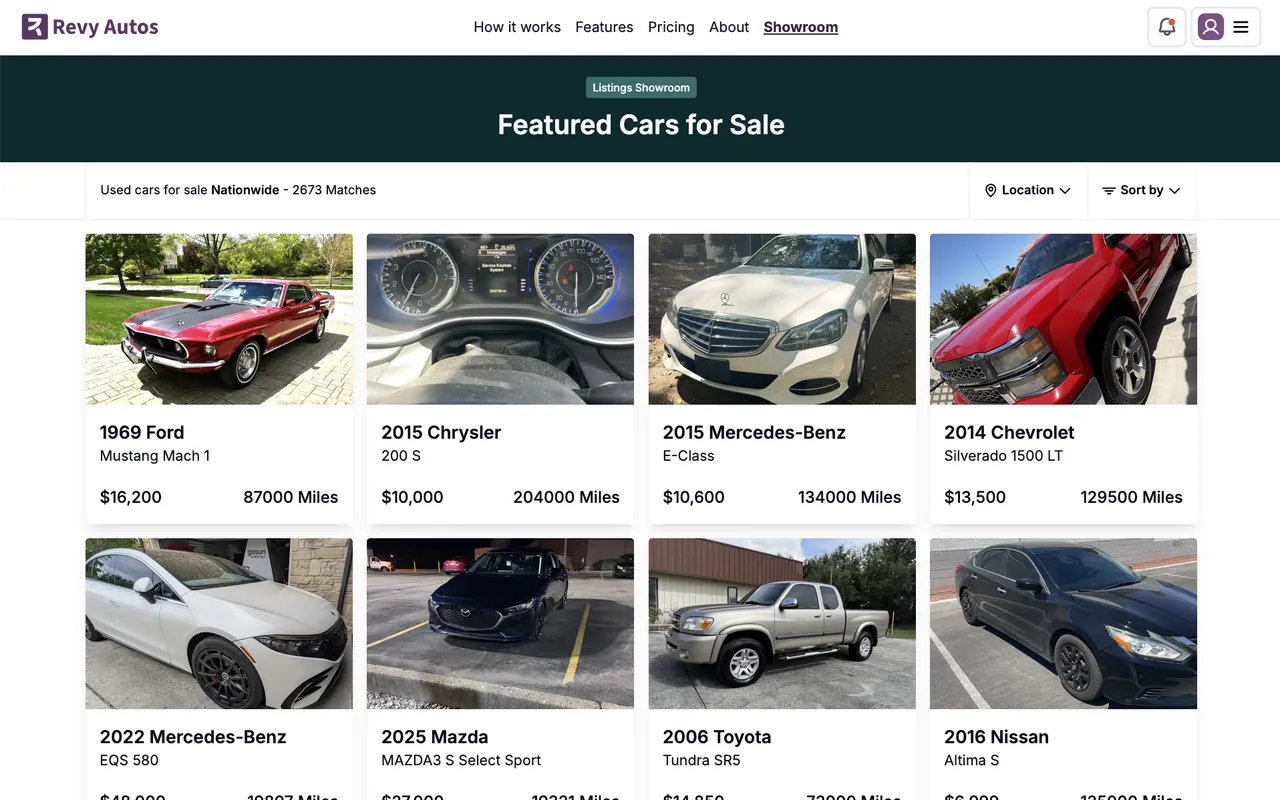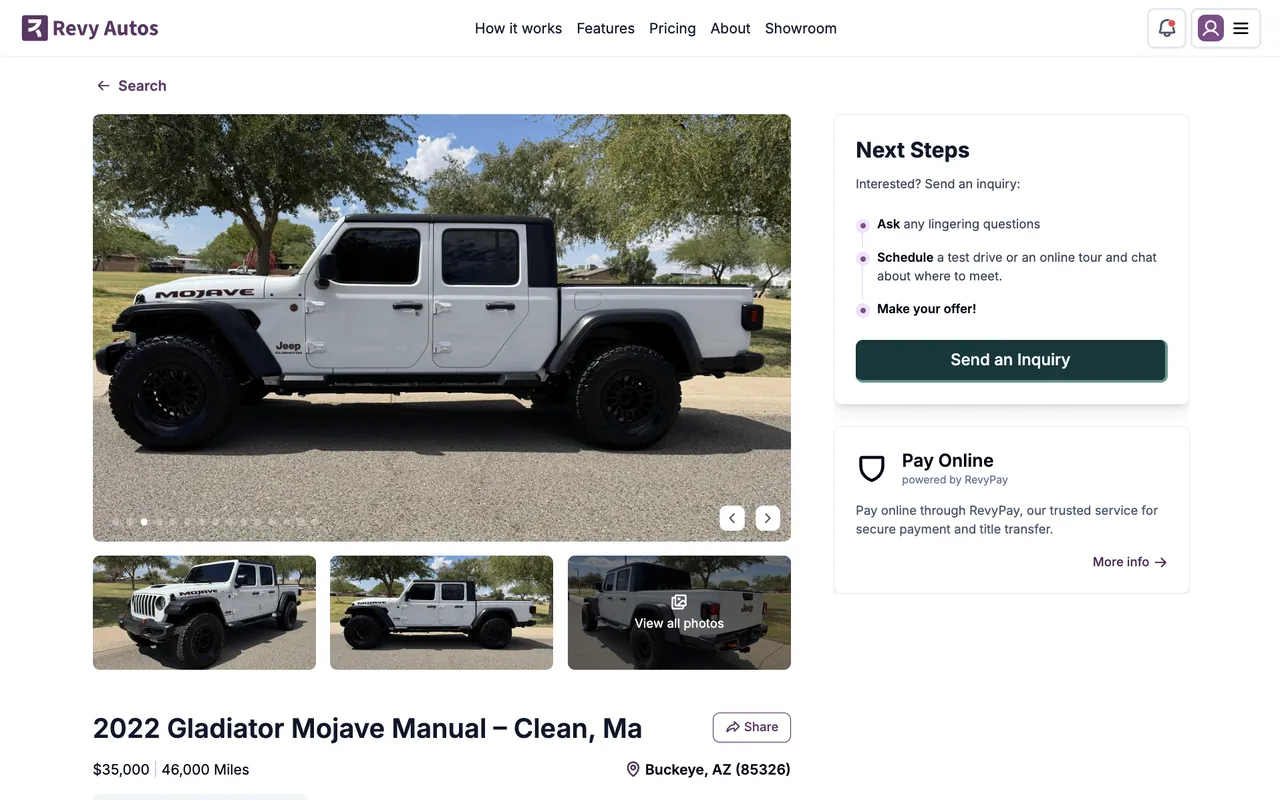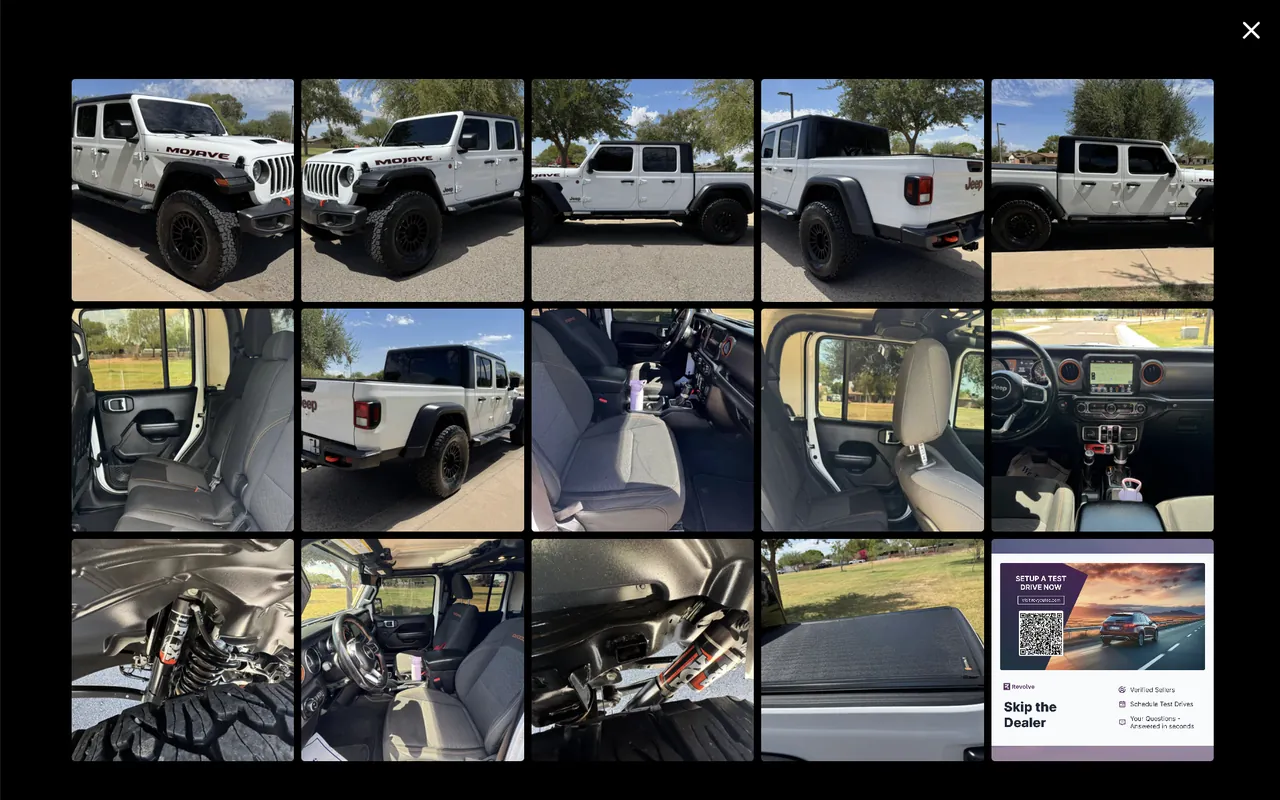
Sellers upload photos and answer a few questions, and the listing comes out complete and ready to share. Buyers browse a clean showroom and send inquiries.
- marketplace
- automotive
- AI assistant
[Case study →](/work/revyautos)[revyautos.com ↗](https://revyautos.com)
How an engagement runs
## Define first. Then build in milestones.
Nothing is priced until we both know what the product is. Engagements run from a quick build to a full team; we size the team to the problem, not the other way around.
- **A quick build.** A prototype, a first version, or one missing piece. Weeks, a small team, a clear end.
- **A full product.** Product definition through launch, with the people to design, build, test and ship it.
- **A long-term team.** We stay as your engineering team, or as the technical leadership over the one you hire.
[How we build: the codebase every project starts from →](/development)
1. 01
### Define the product
We interview you, name the real problem, and write down what the product is and is not.
2. 02
### Roadmap it
The product is cut into milestones in the order that gets you in front of customers soonest.
3. 03
### Build in fixed-price milestones
Each milestone has a scope and a price before it starts. You know what you are buying, and when.
The founder’s list
## Every problem a non-technical founder hits.
We have been through each of these, more than once. Bring whichever one is keeping you up.
### Hiring
Who to hire first, what to ask them, and how to tell a good engineer from a confident one.
### Building
Architecture you will not have to rewrite when the product works.
### Testing
Knowing the thing works before your customers find out it does not.
### Product-market fit
Cutting what nobody uses and doubling down on what they do.
### Scaling
Staying fast and online when the load is ten times what you planned for.
### Customer analysis
Reading what users actually do, so the next milestone is chosen from evidence.
Terms
## What you keep, whatever happens.
### 90 days of fixes
Bugs in our code are fixed at our cost for 90 days after launch.
### The whole codebase is yours
Complete handoff at the end. No vendor lock-in, no licensing strings, and it is documented so your next hire can pick it up.
### You talk to the architect
The person who designs your product is the person on the call. Not an account manager.
## Tell us what is in your way.
A conversation with the architect who would own the work. You leave knowing the shape of the build, whether or not we work together.
[Talk about your current challenges →](/start?utm_campaign=startups)
Got a question?