Development
# Don’t start from zero.
Start from thirty years.
Every Wilde build starts on our codebase — a production foundation with the hard lessons already baked in, and anything your product doesn’t need taken out.
[Talk about your current challenges →](/start?utm_campaign=development)[See it live ↓](#live)
Our work, live
## Products we built. One foundation under all of them.
Maps, marketplaces, valuation engines, analytics dashboards — all in production, each started with the plumbing already done. A few examples, not the whole portfolio.
- [Revy AutosHonda-backed marketplace, 10,000 listings, CTO end to end.](/work/revyautos)
- [AgentSiteIdea to first paying customer in four weeks.](/work/agentsite)
- [WeaverleyFractional CTO: from stalled fixes to shipping weekly.](/work/weaverley)
EventingNewEvery event in your city, from every site that lists them, in one place.
AgentSiteMakes a website readable to ChatGPT, Claude and other AI assistants, and scores how well it does.
ProtocolA second brain for AI agents: skills, knowledge and tasks they look up instead of carrying.
RecipeaterRecipes turned into a timed cooking plan you follow one step at a time.
DashboardLive view of every AI coding agent running across the studio.
One2BIndependent valuations of a company's data, done to international valuation standards.
Revy AutosA used-car marketplace where private sellers list with an AI assistant's help.
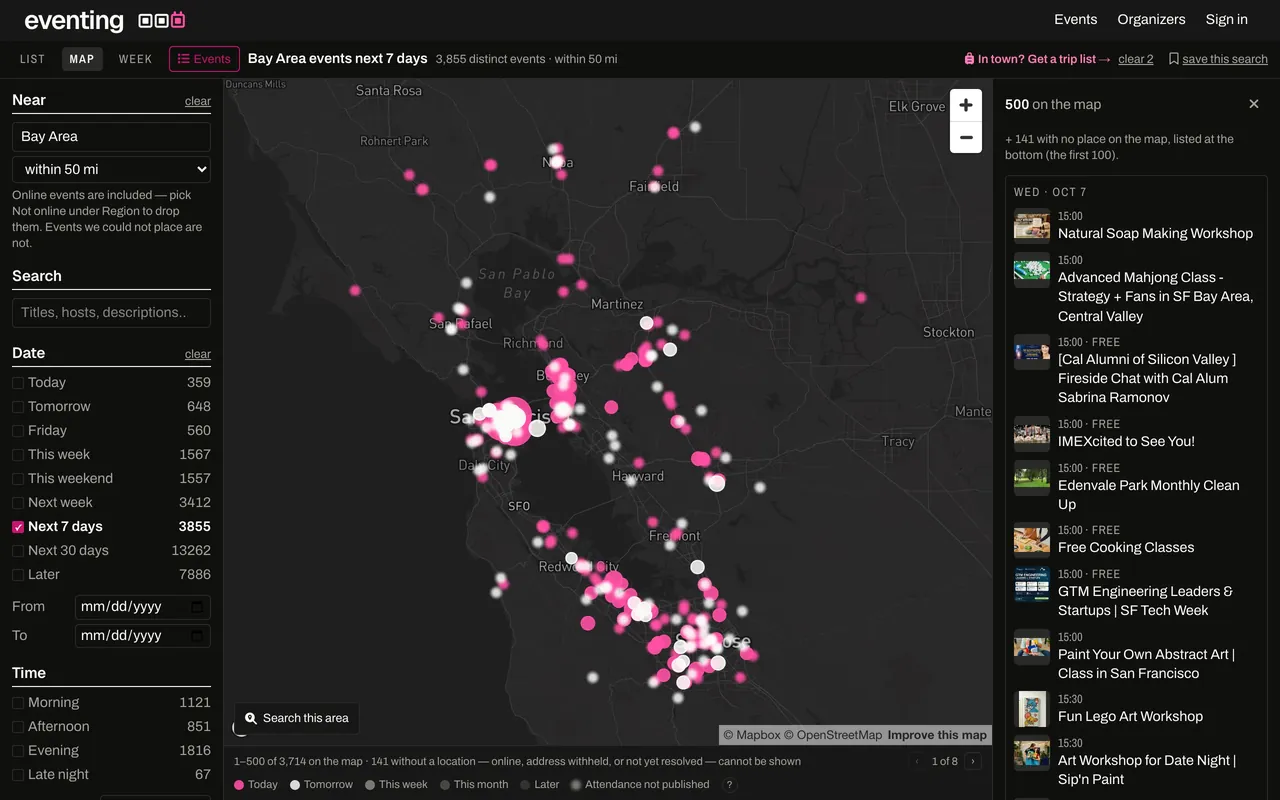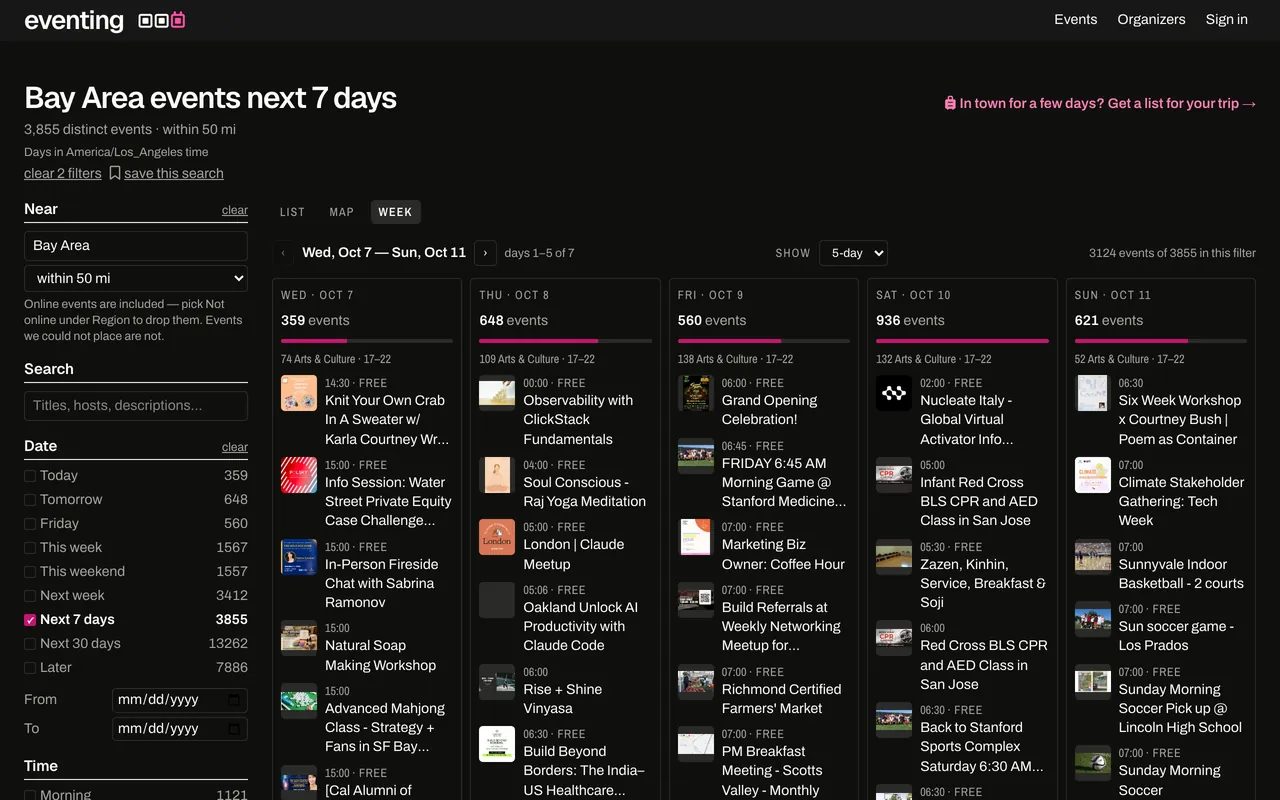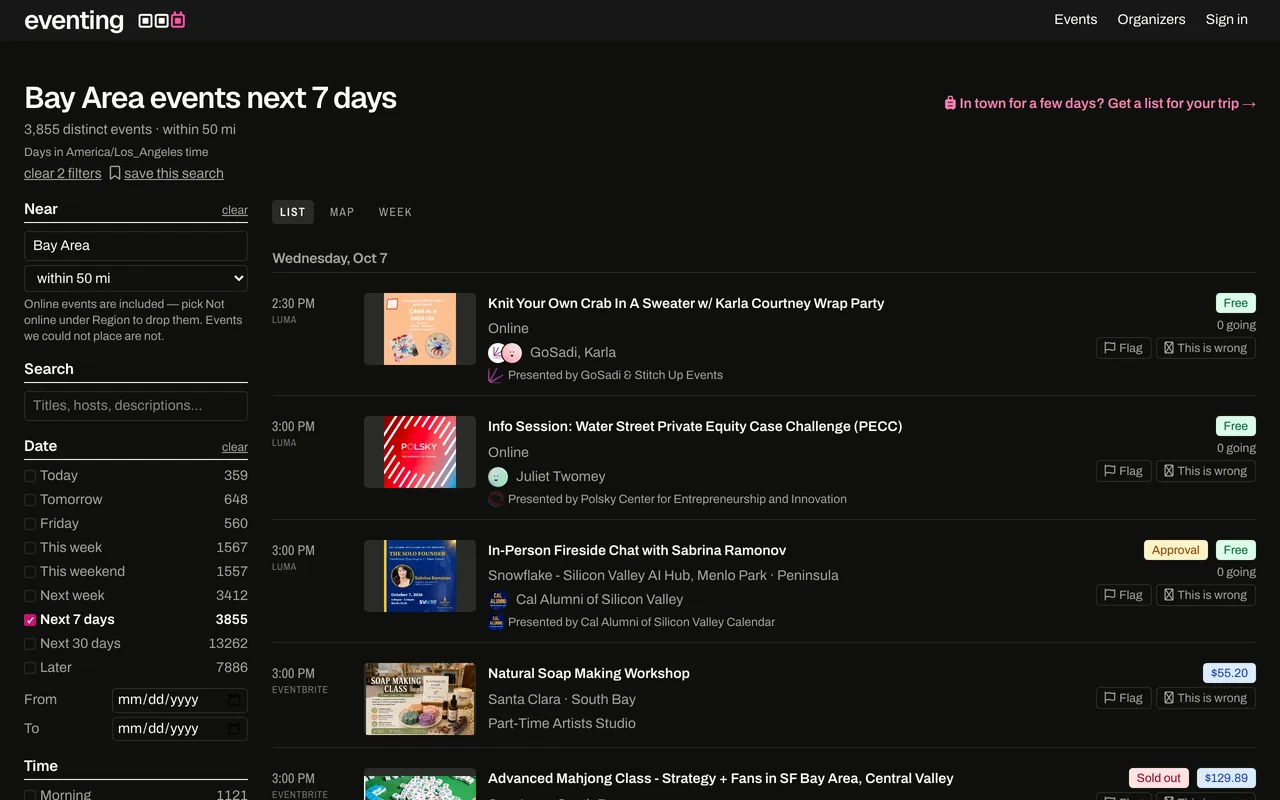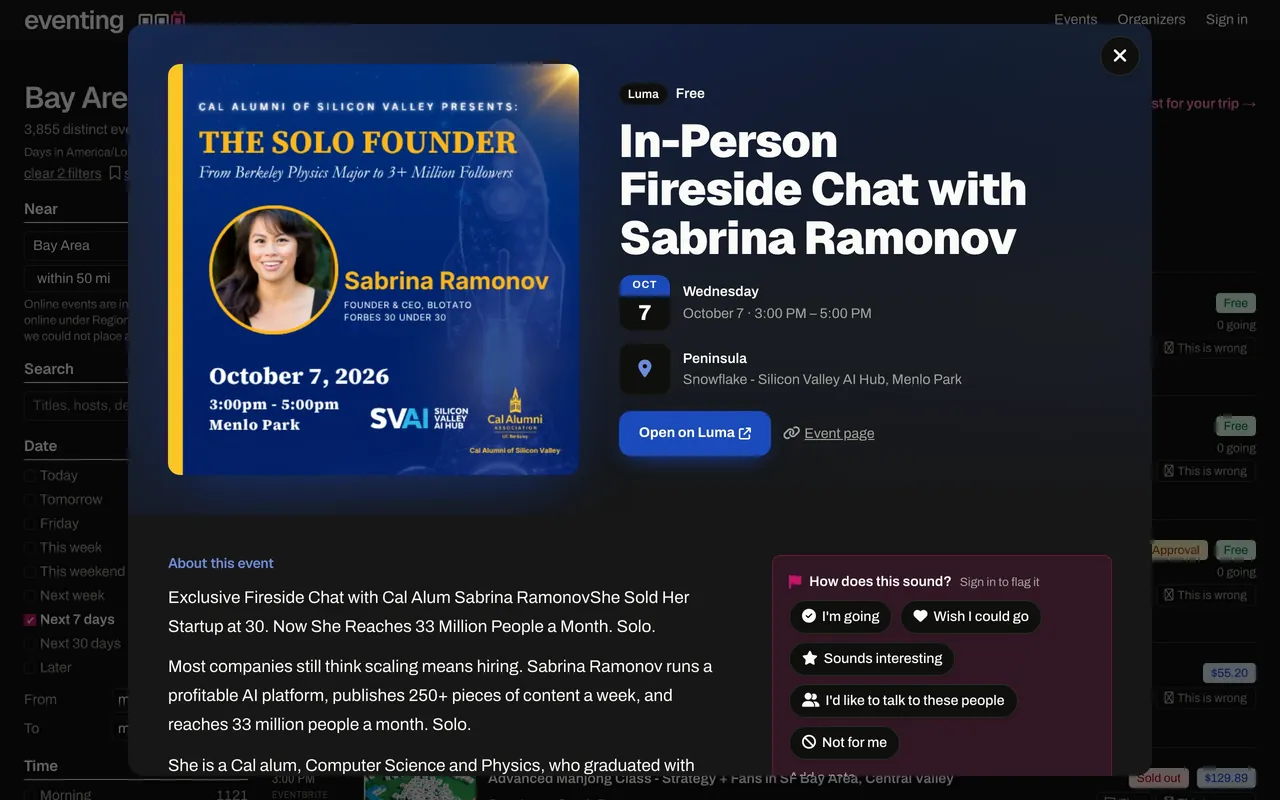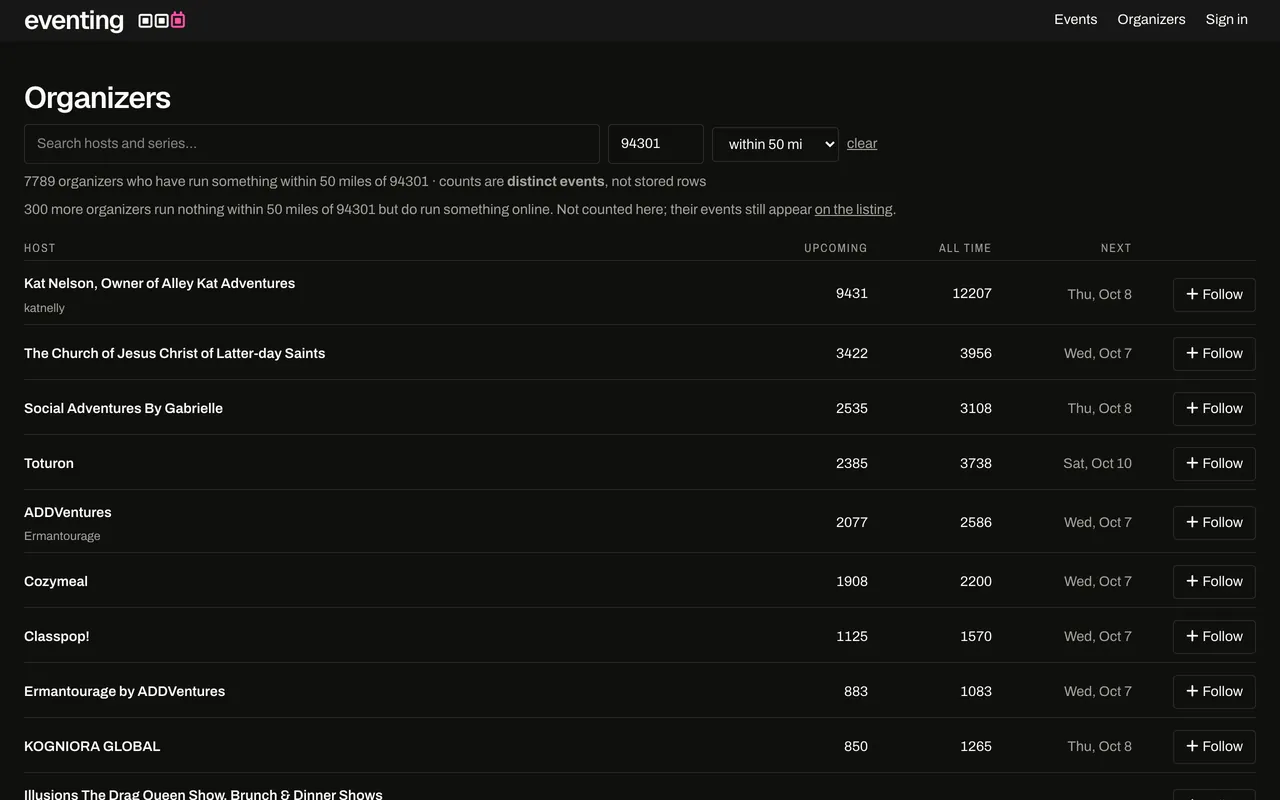
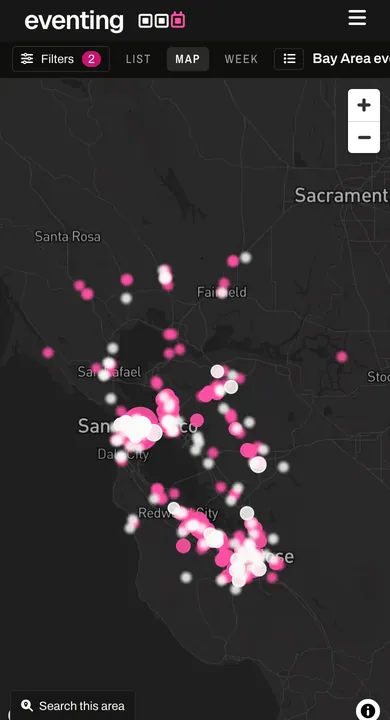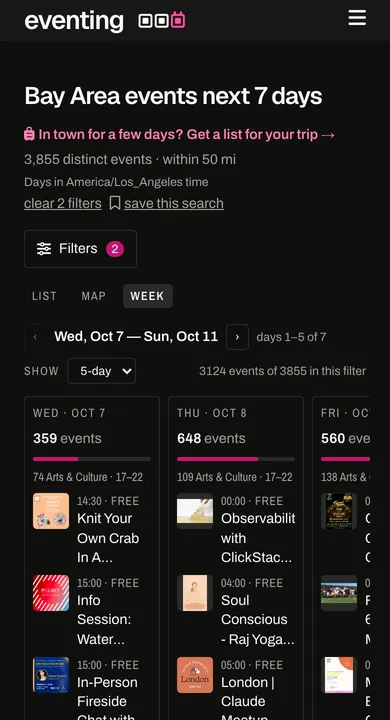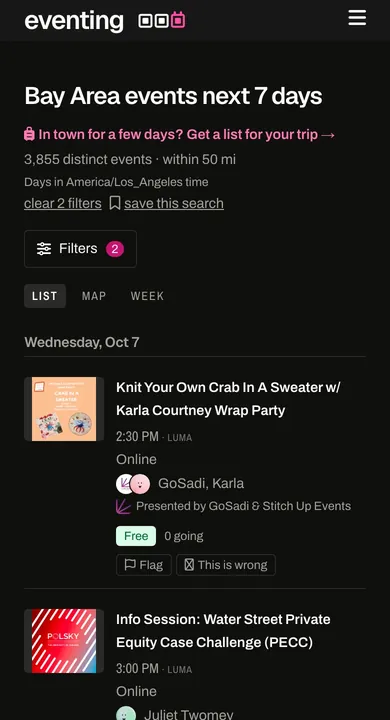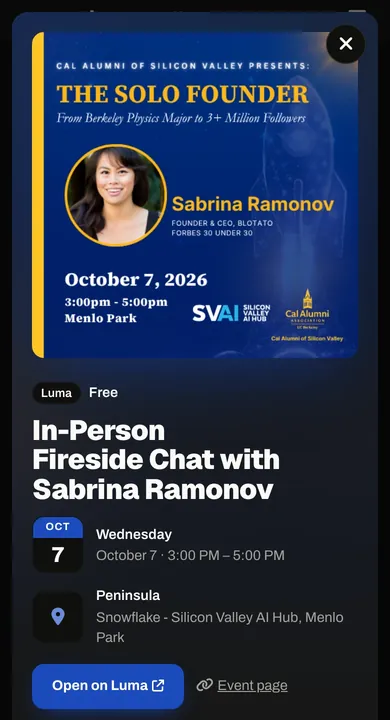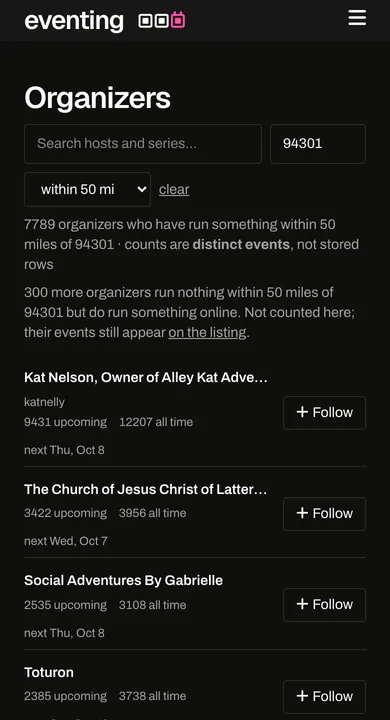
Pick a metro: tech events this week, sized by count
Tens of thousands of events a week across 23 metros, pulled from many sources, de-duplicated and placed on a map, a week grid and a list. Describe what you want in plain words and it keeps the list for you.
- consumer
- data pipeline
- maps
- AI search
[eventing.ing ↗](https://eventing.ing)
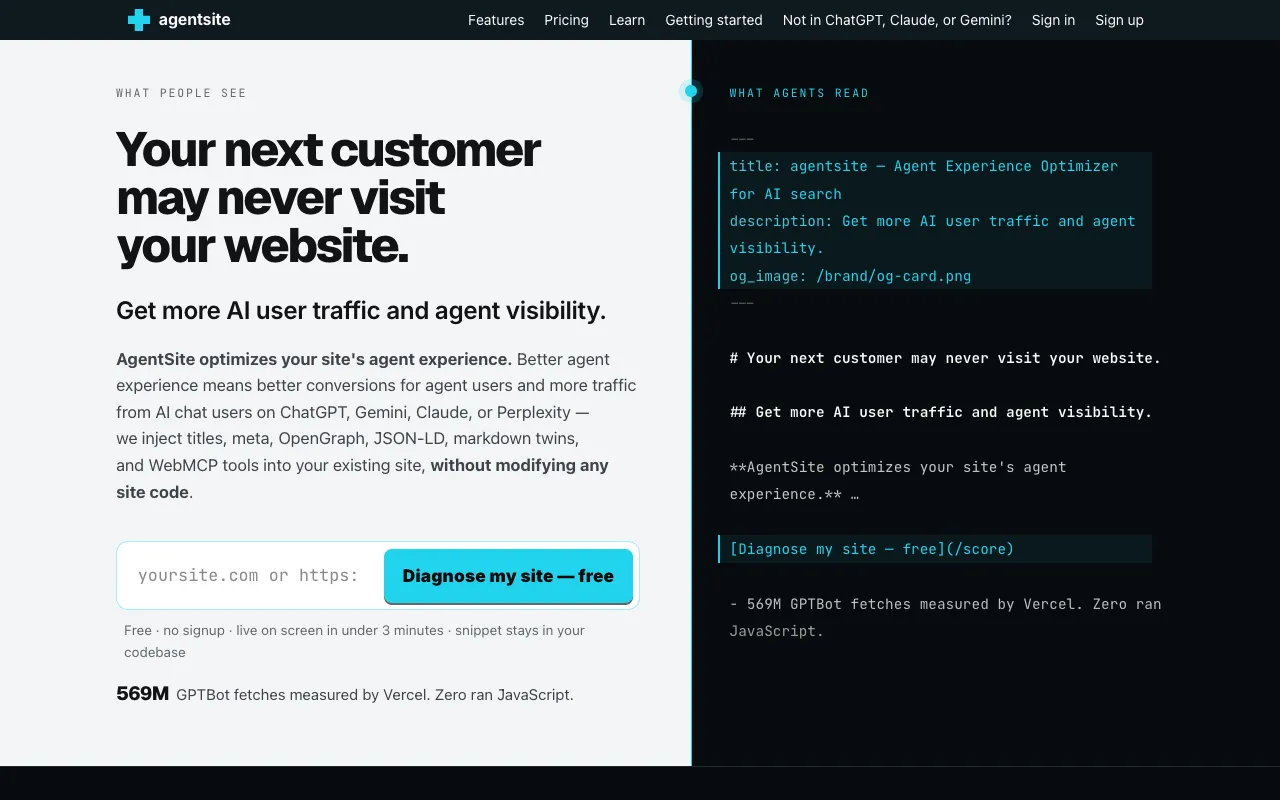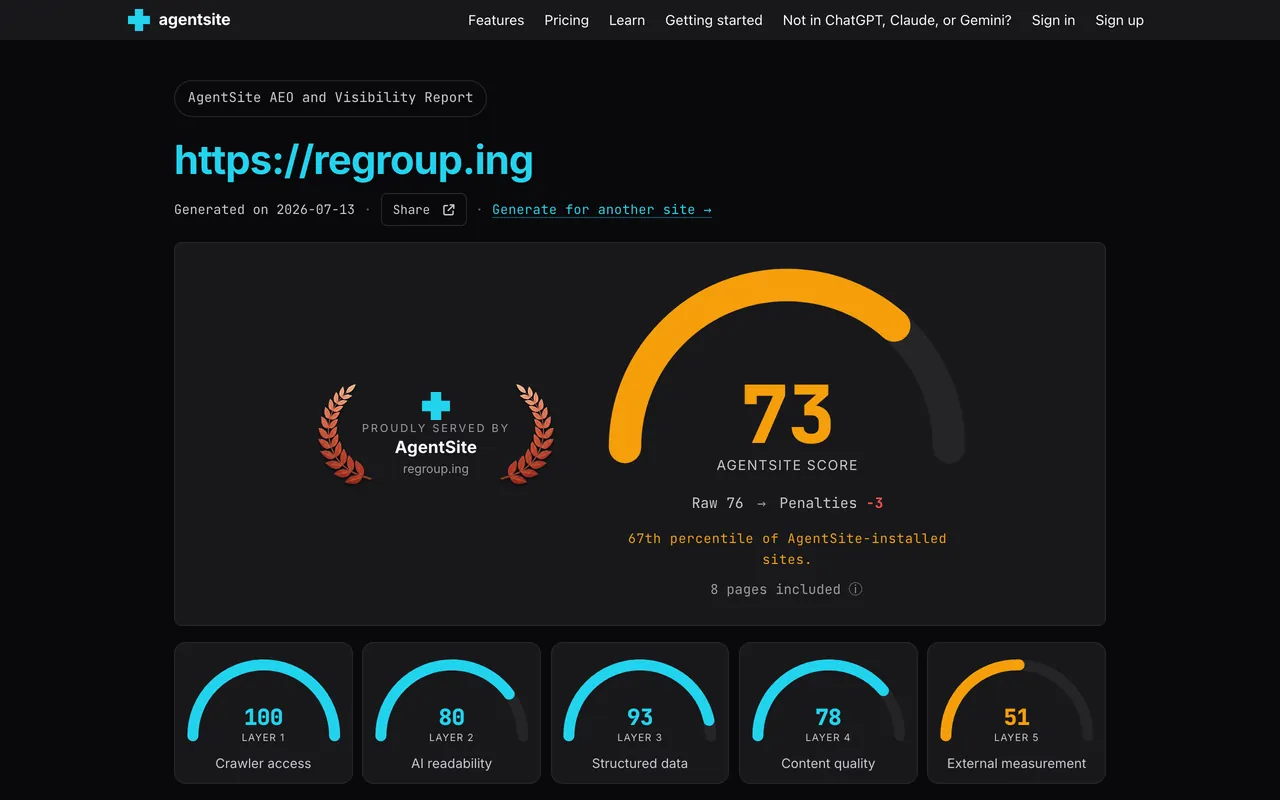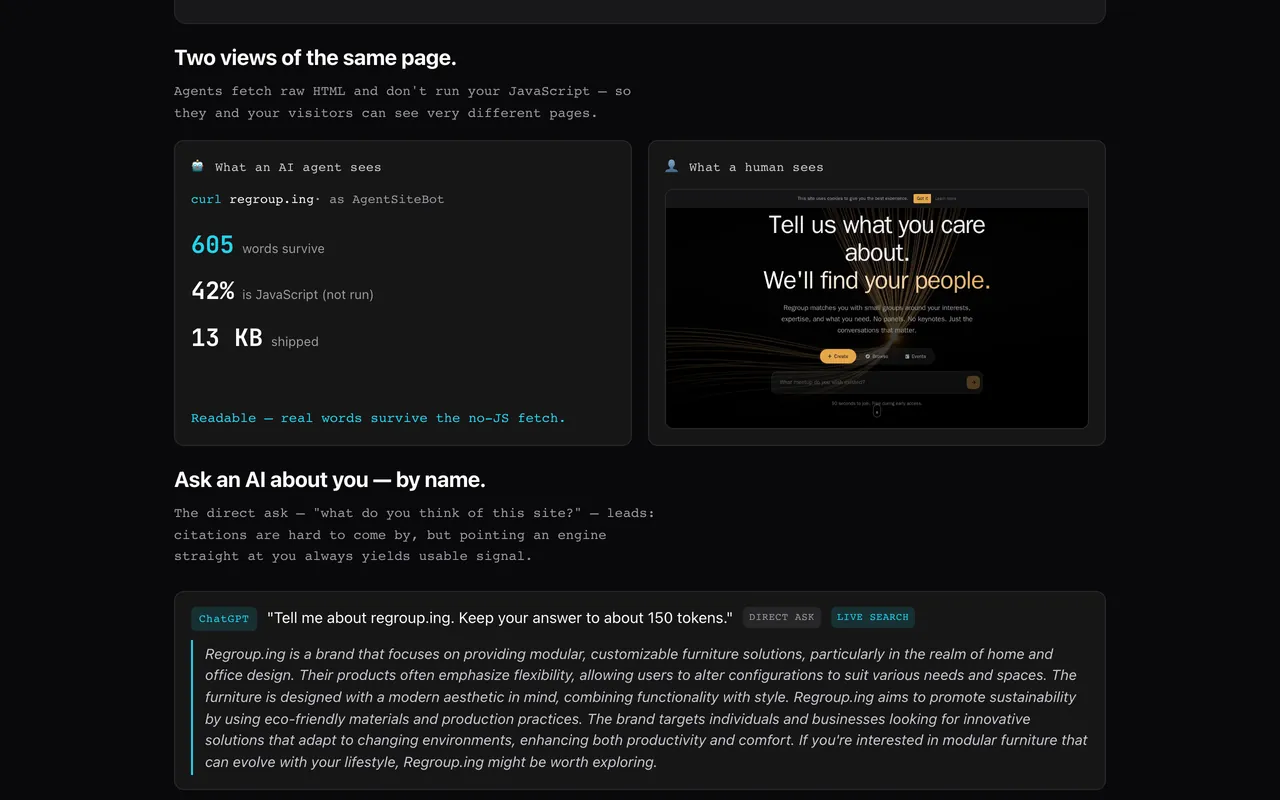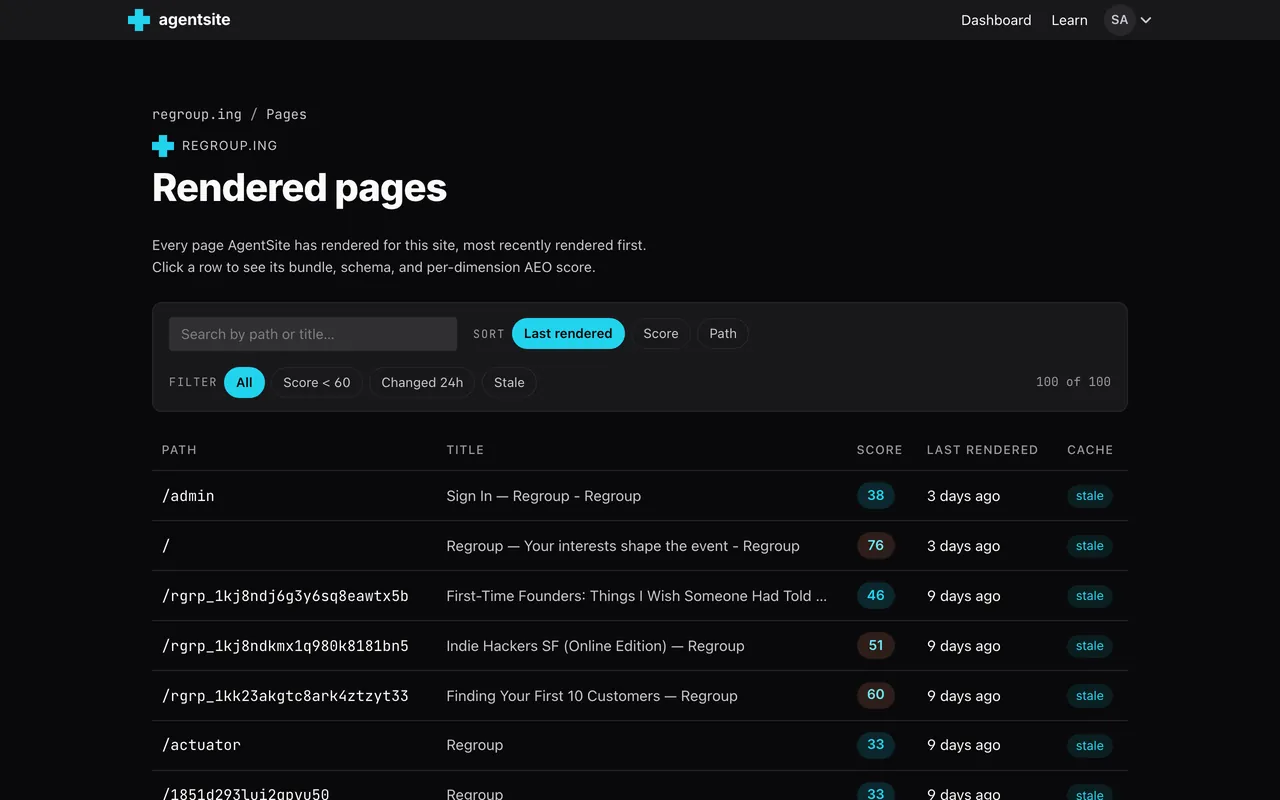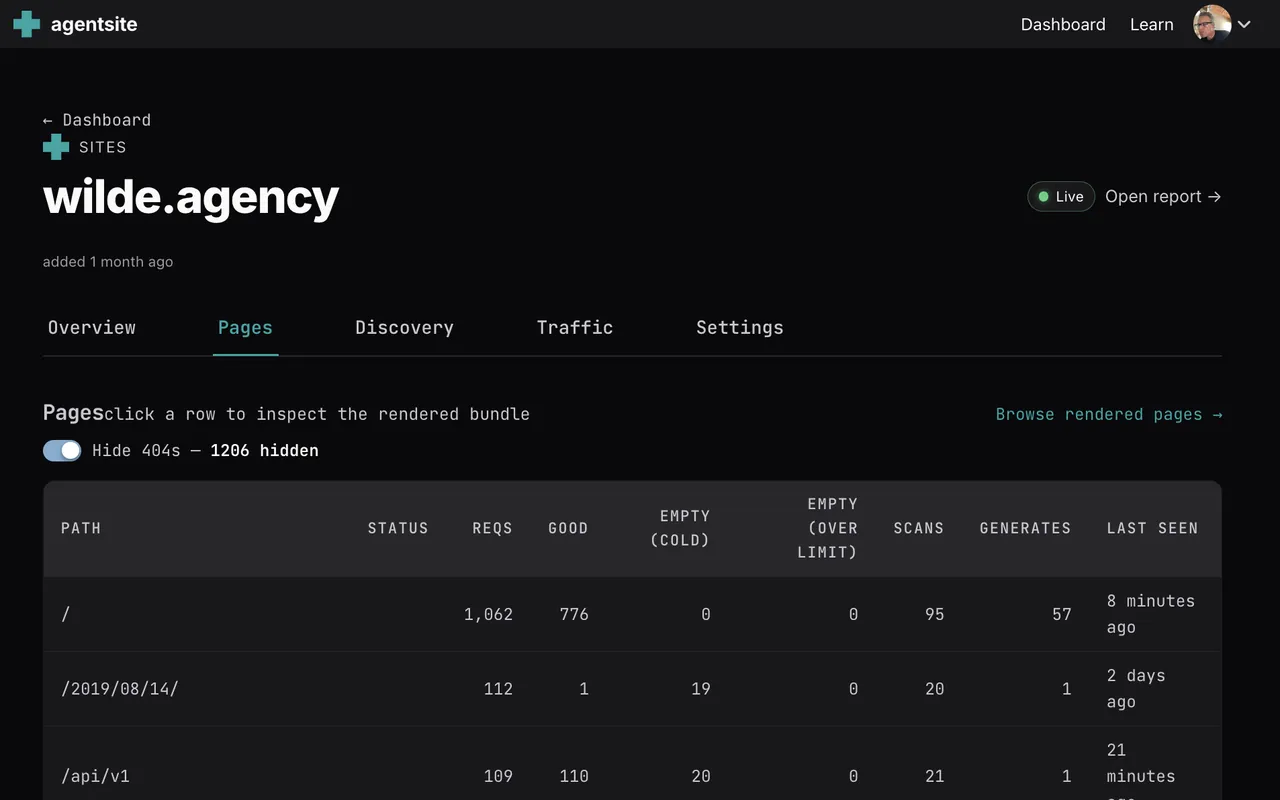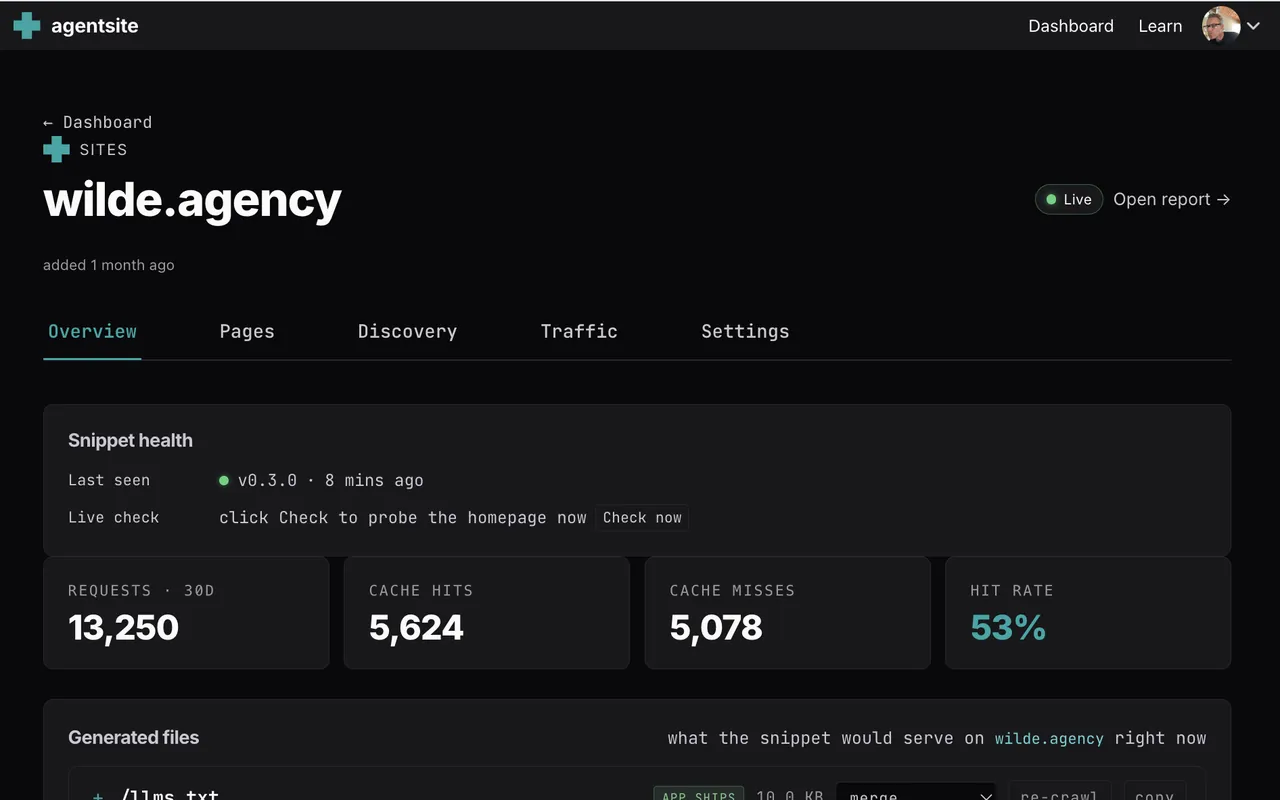
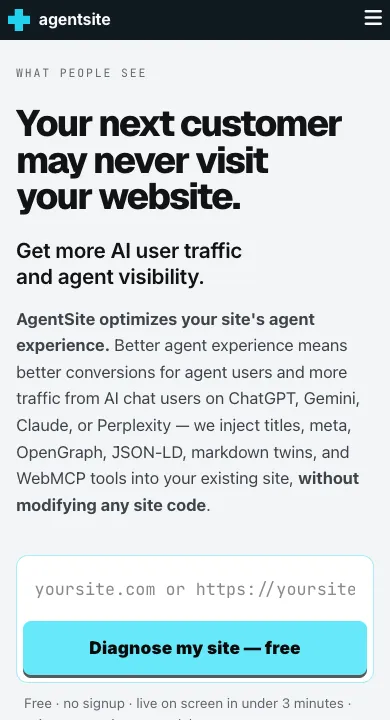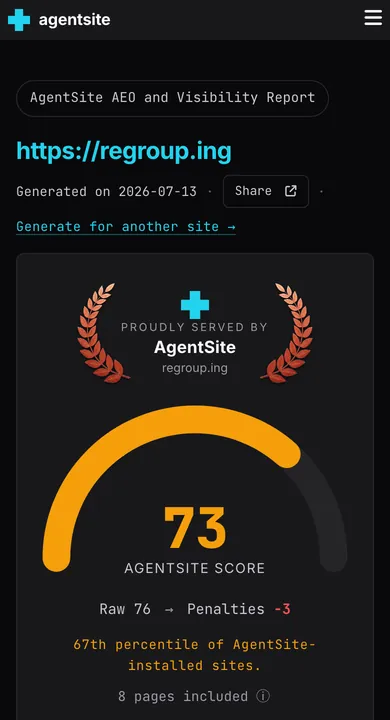
Add one snippet and AI crawlers get a clean copy of every page. A public report scores the site, shows what an AI actually sees, and lists what to fix first.
- SaaS
- AI search
- SEO
- developer tool
[Case study →](/work/agentsite)[agentsite.app ↗](https://agentsite.app)
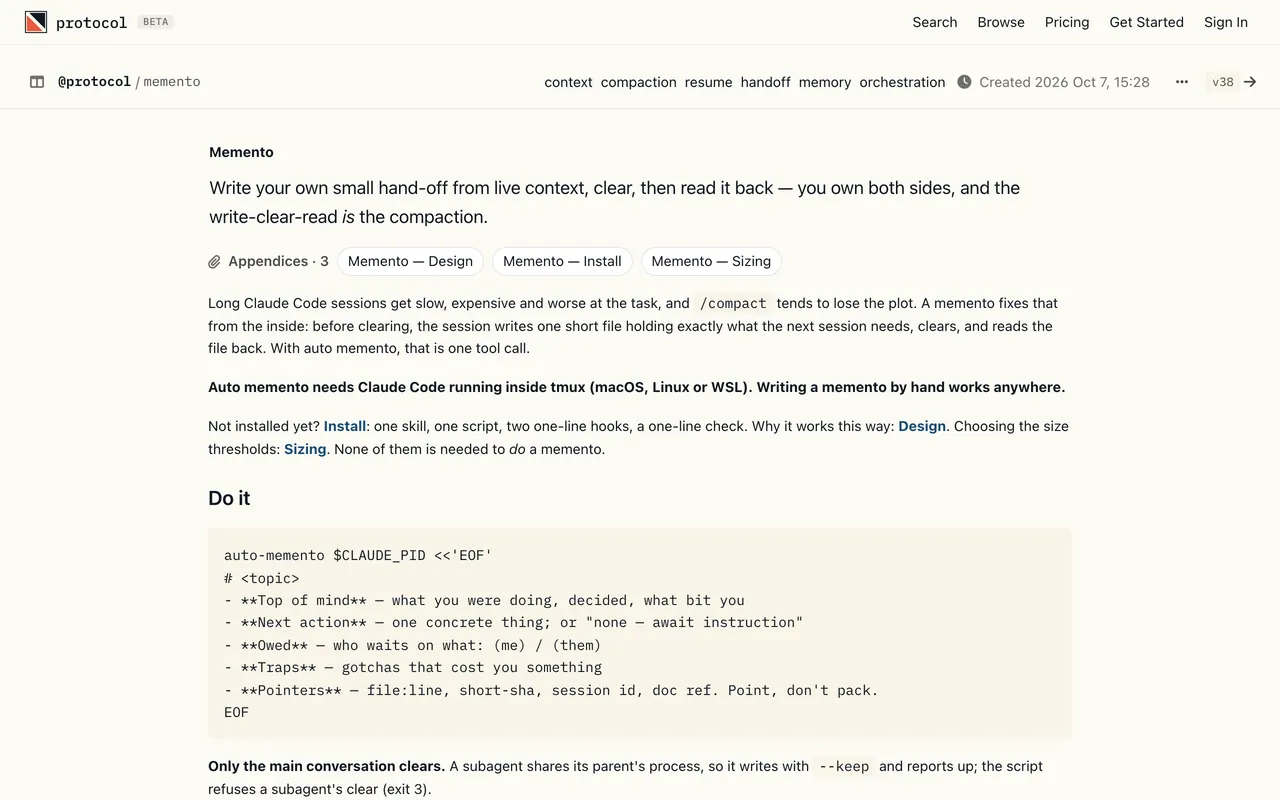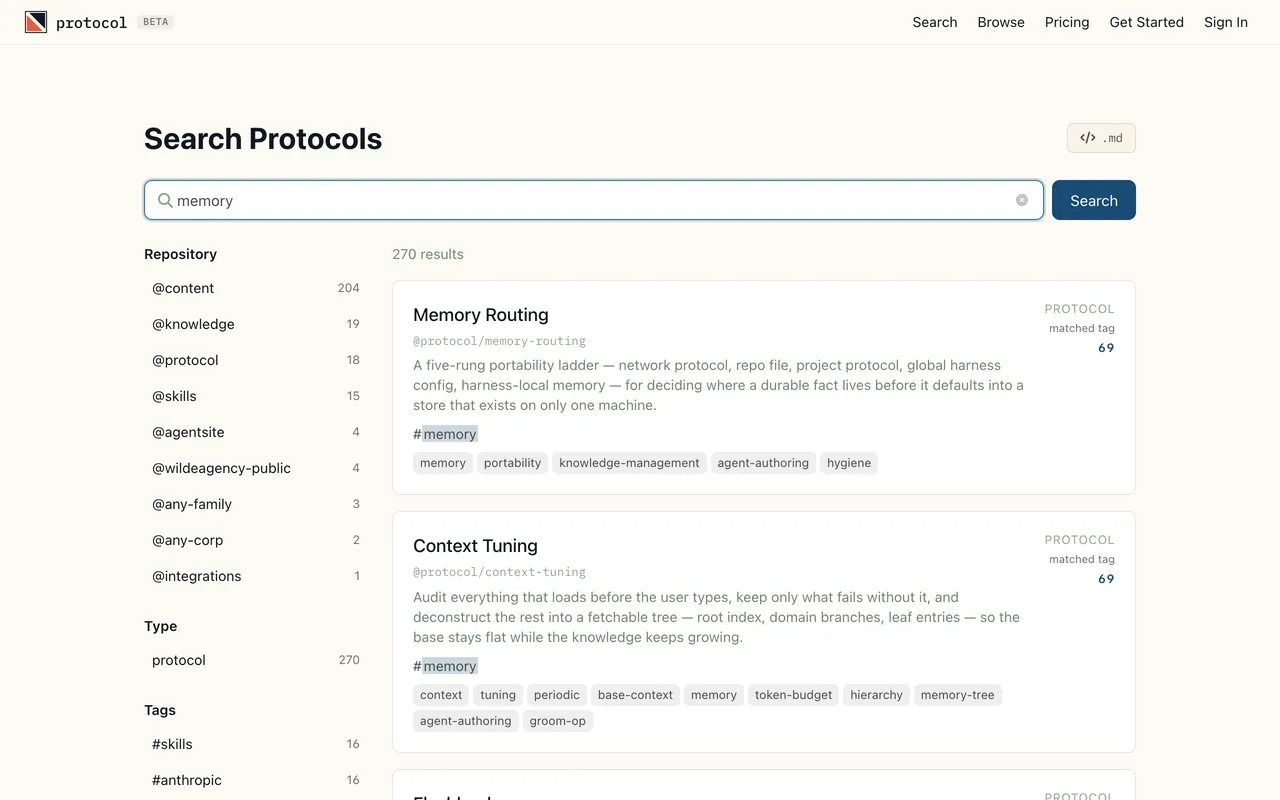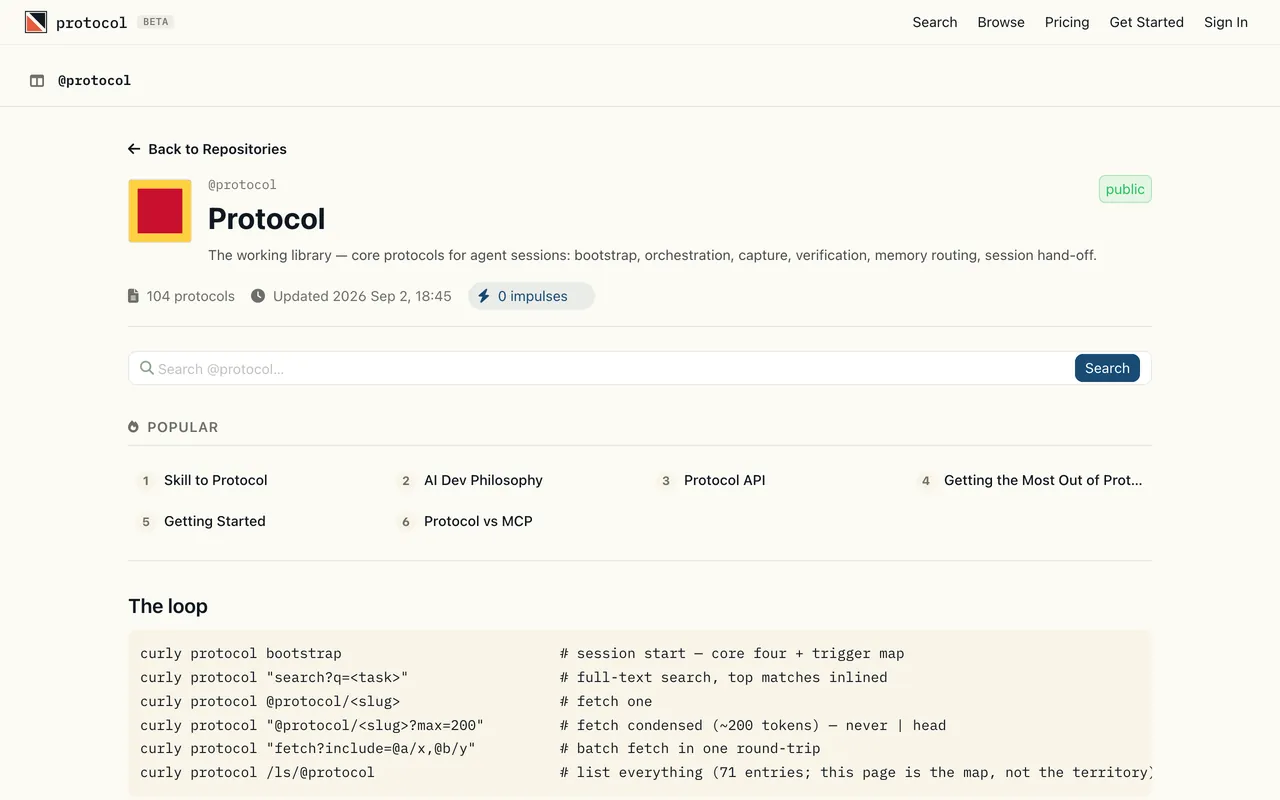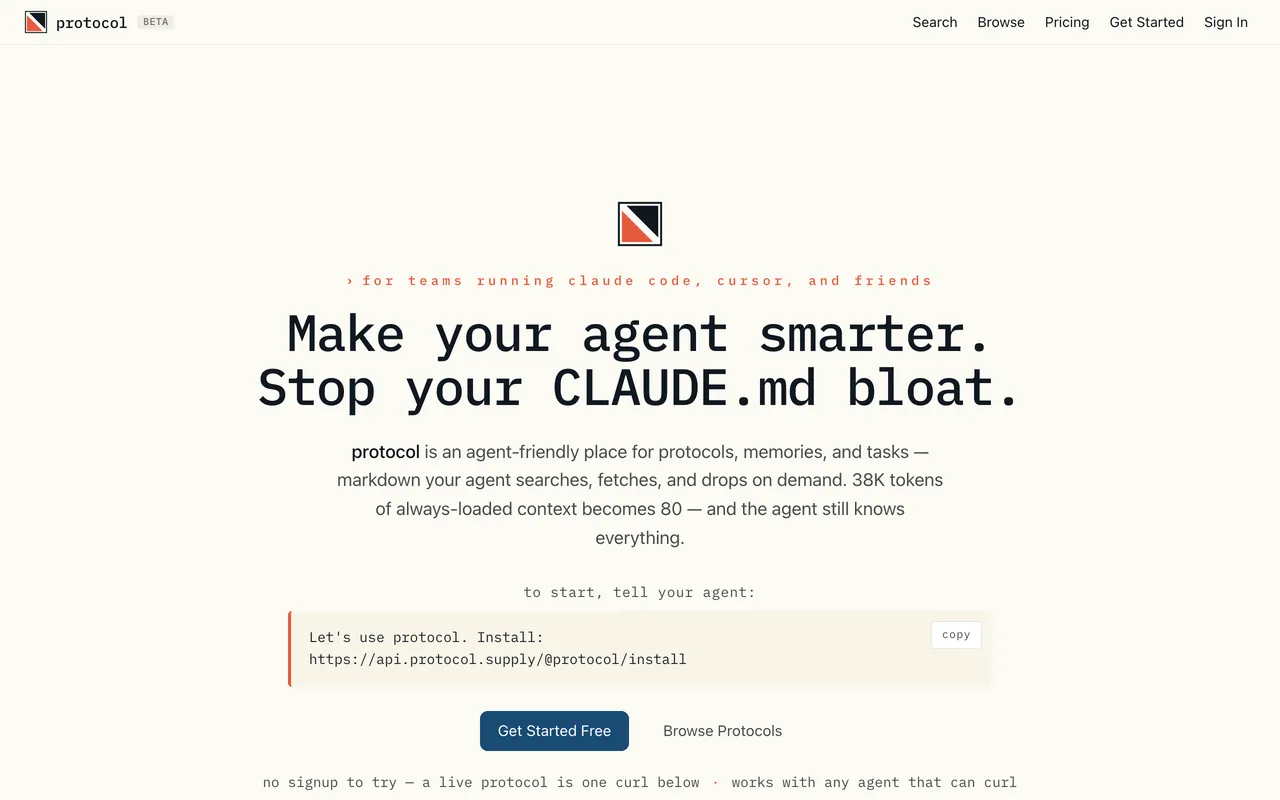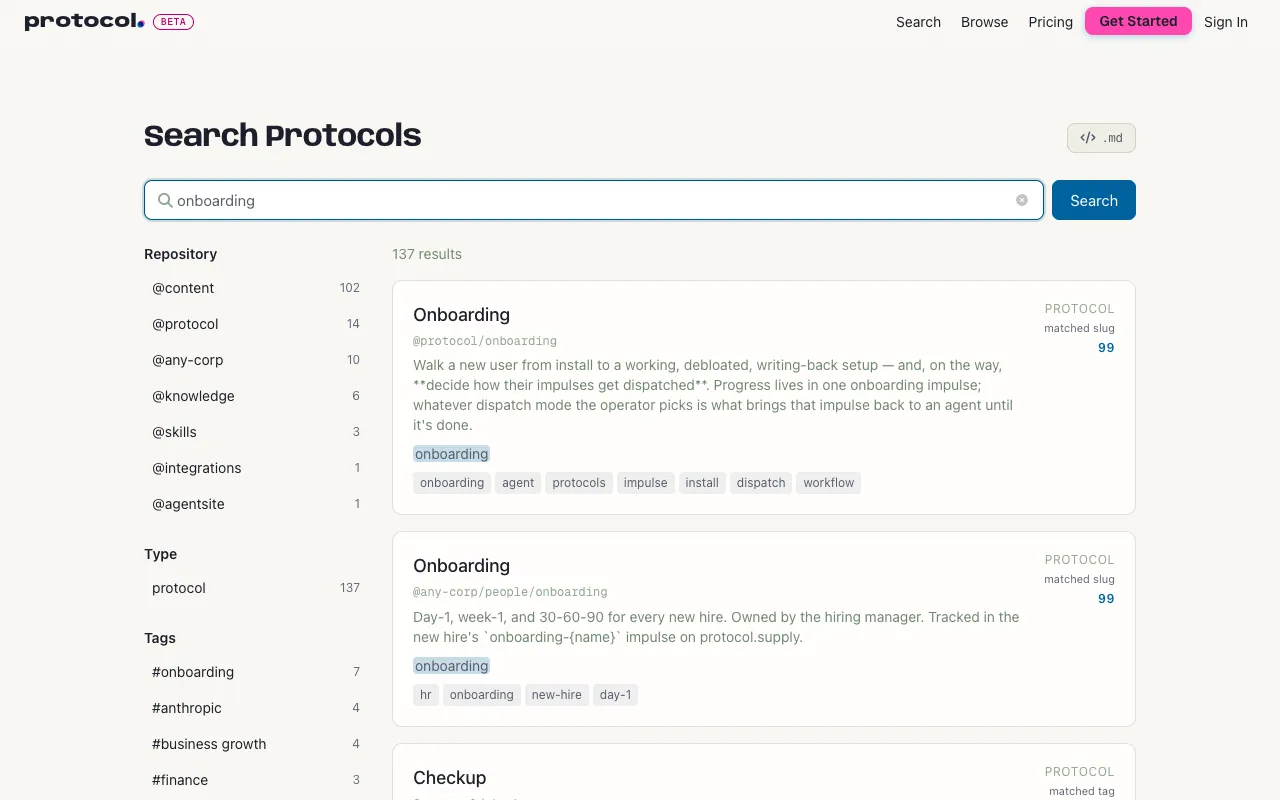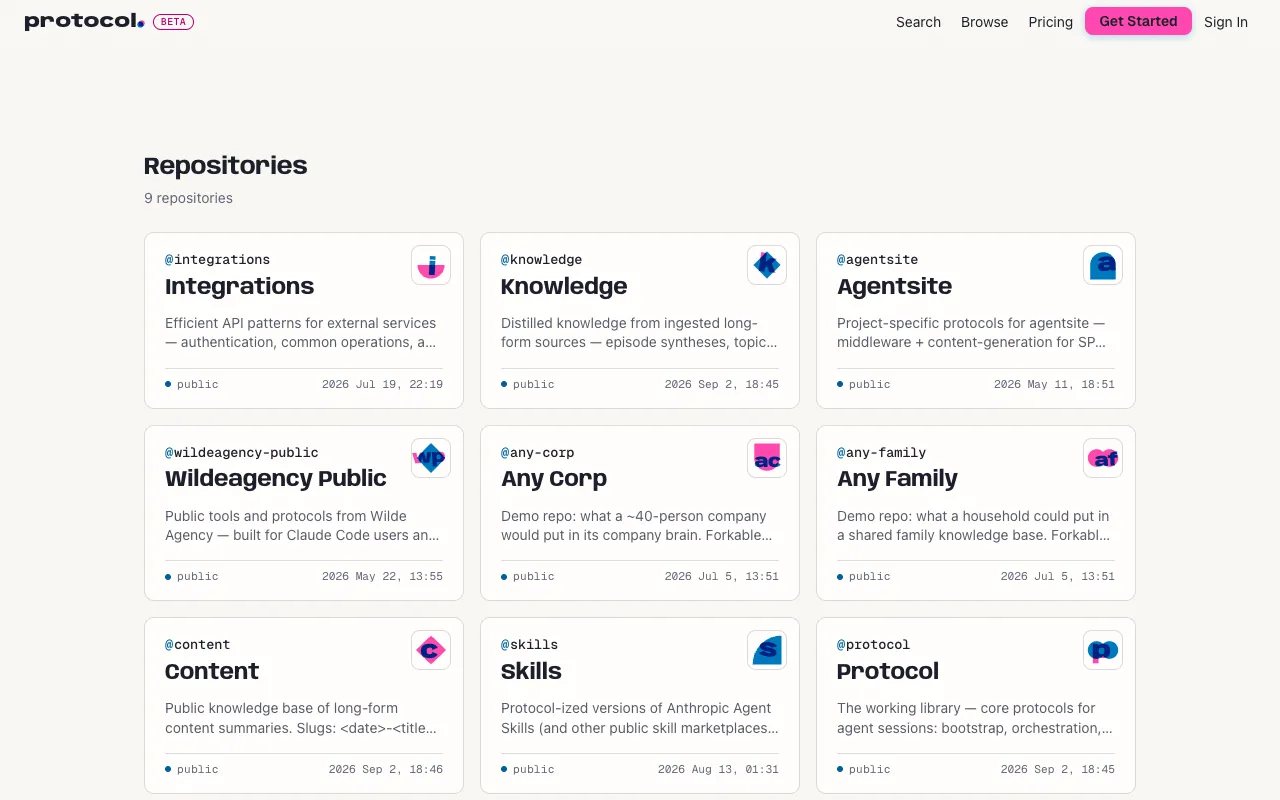
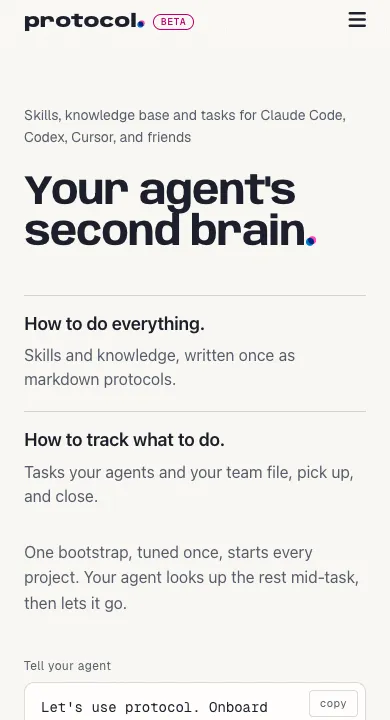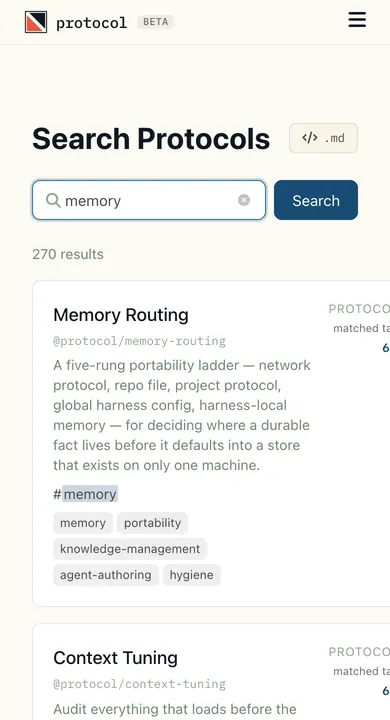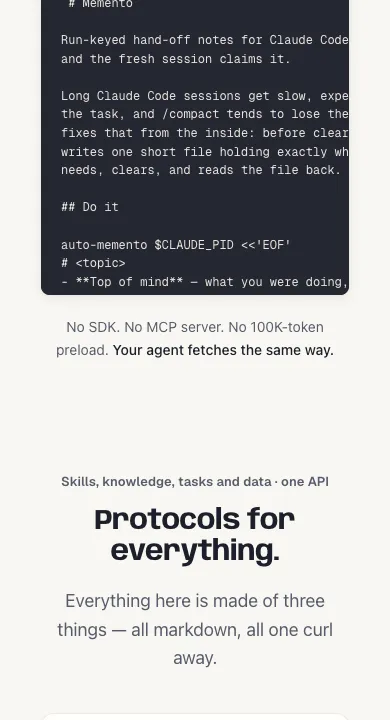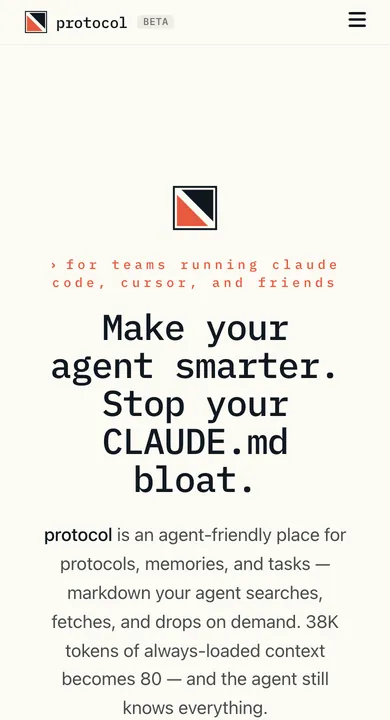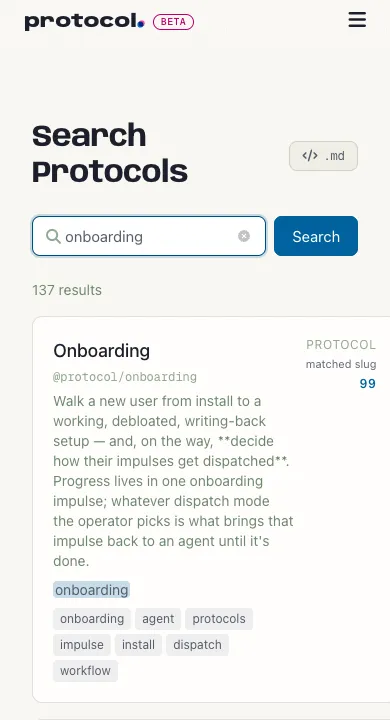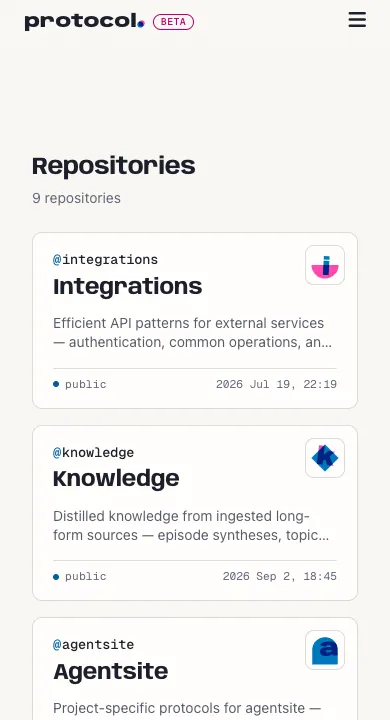
Teams write down how they do things once, as plain markdown. Every agent session fetches what it needs mid-task with one call, so agents stay smaller and cheaper and follow the house rules. Works with Claude Code, Codex and Cursor.
- developer tool
- AI agents
- search
- knowledge base
[protocol.supply ↗](https://protocol.supply)
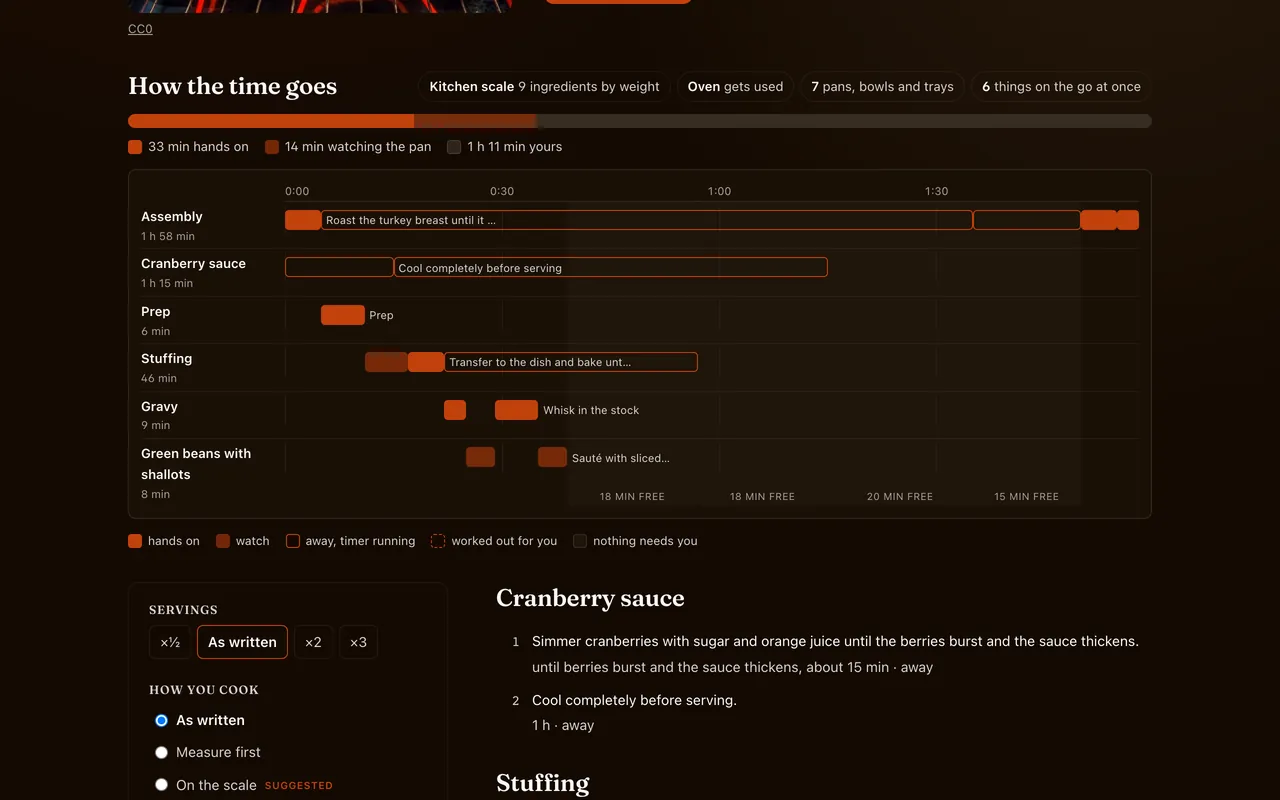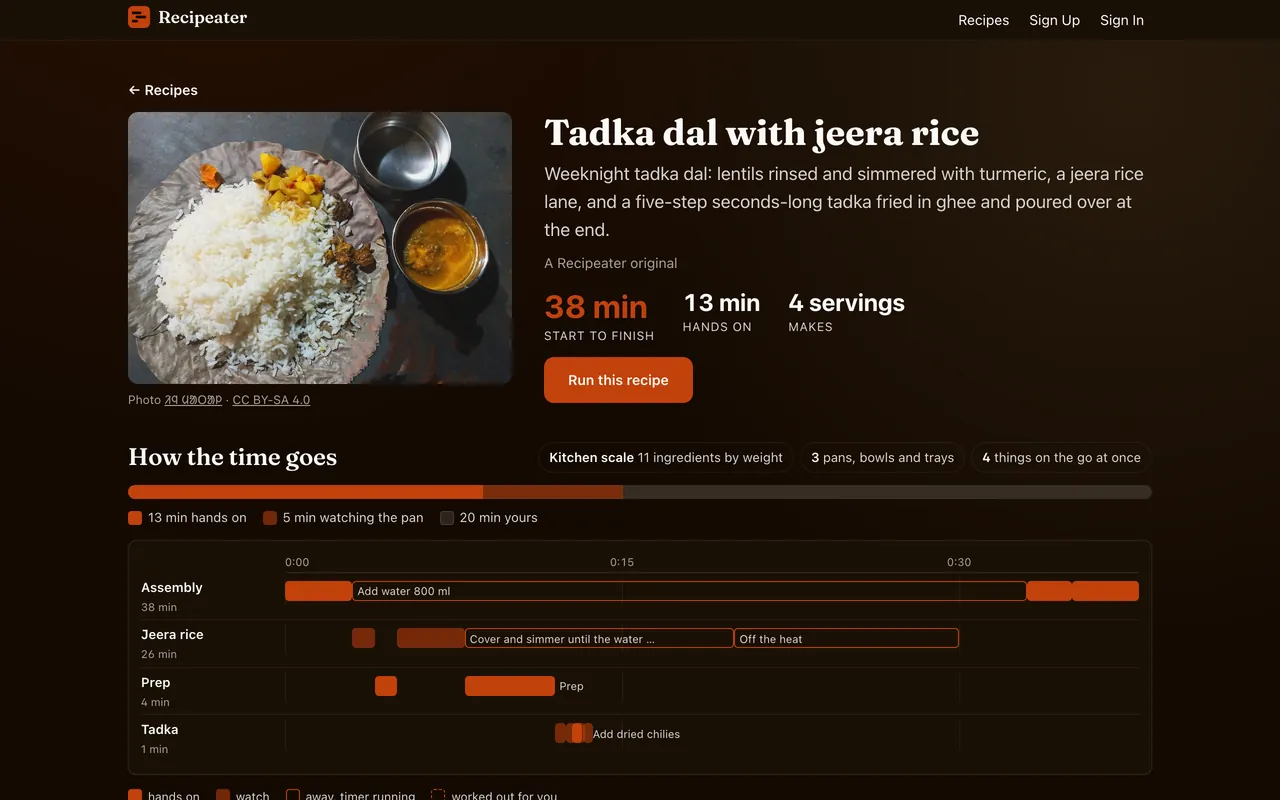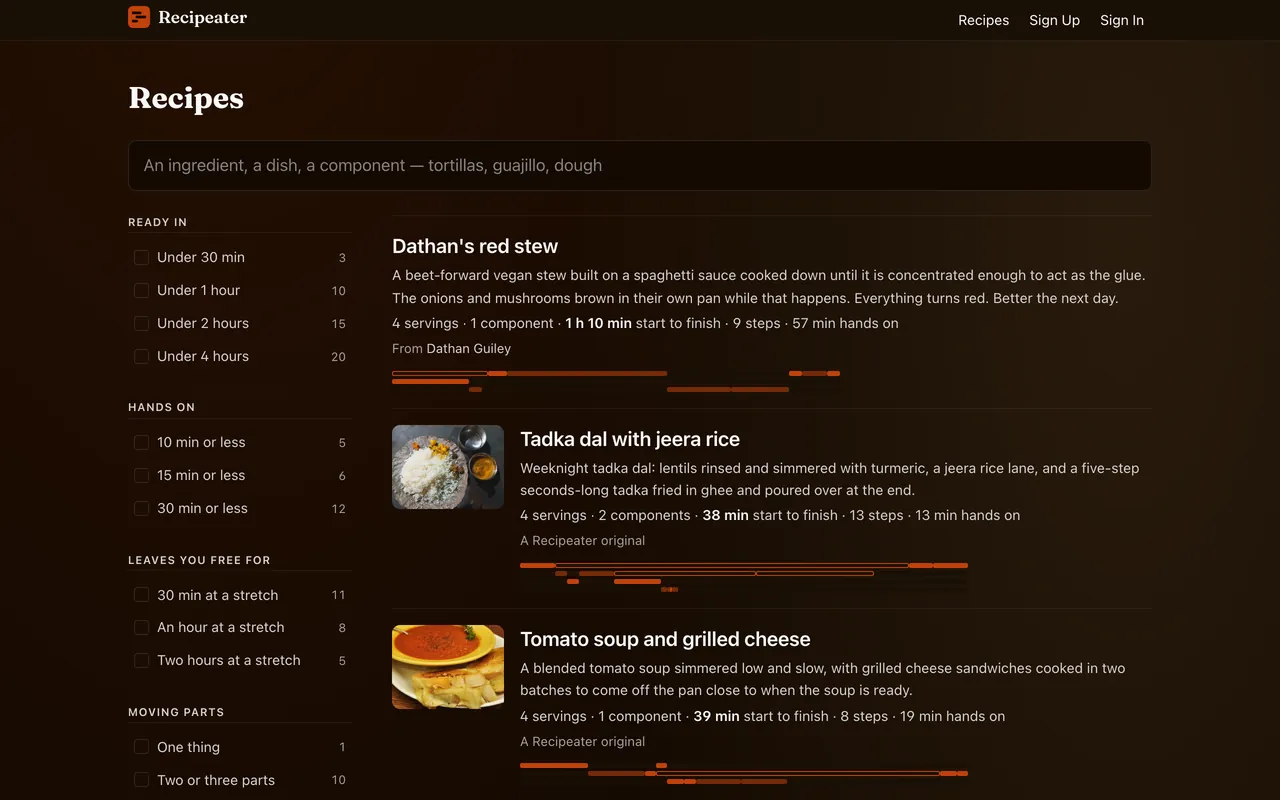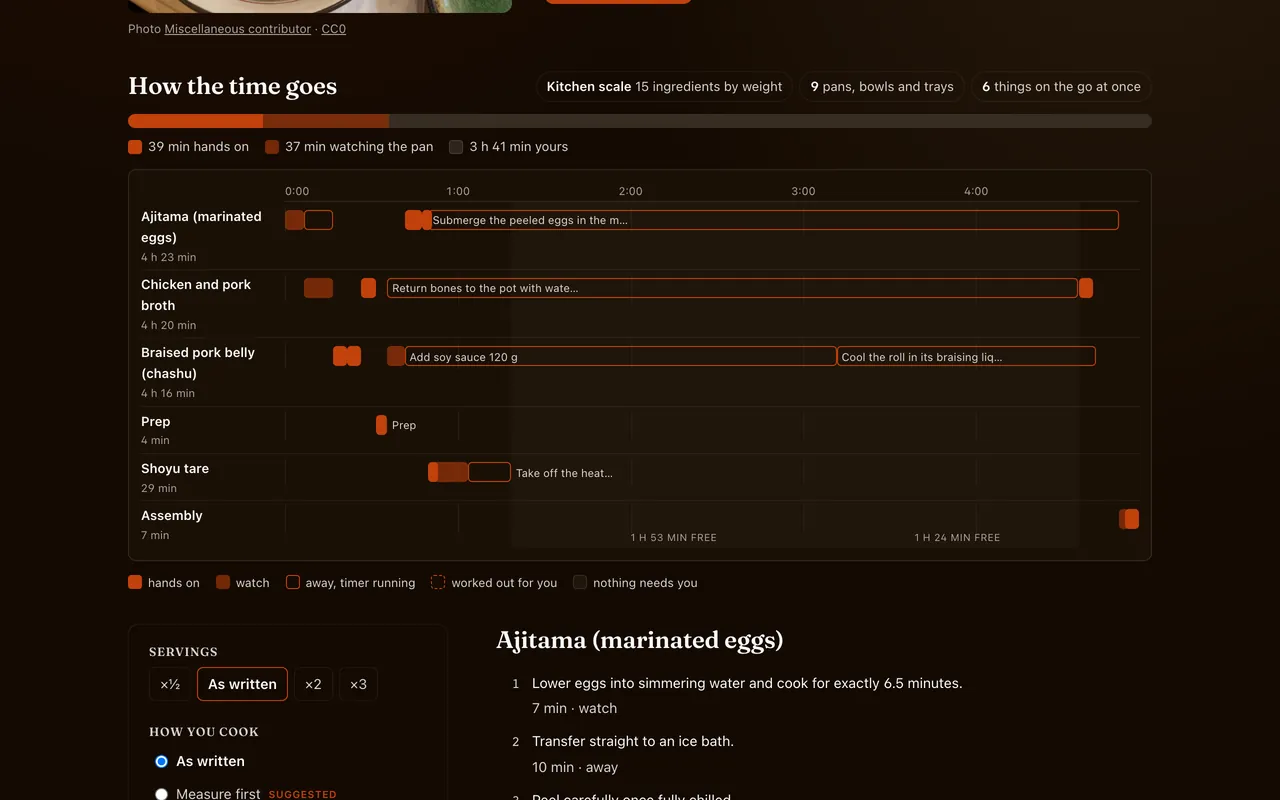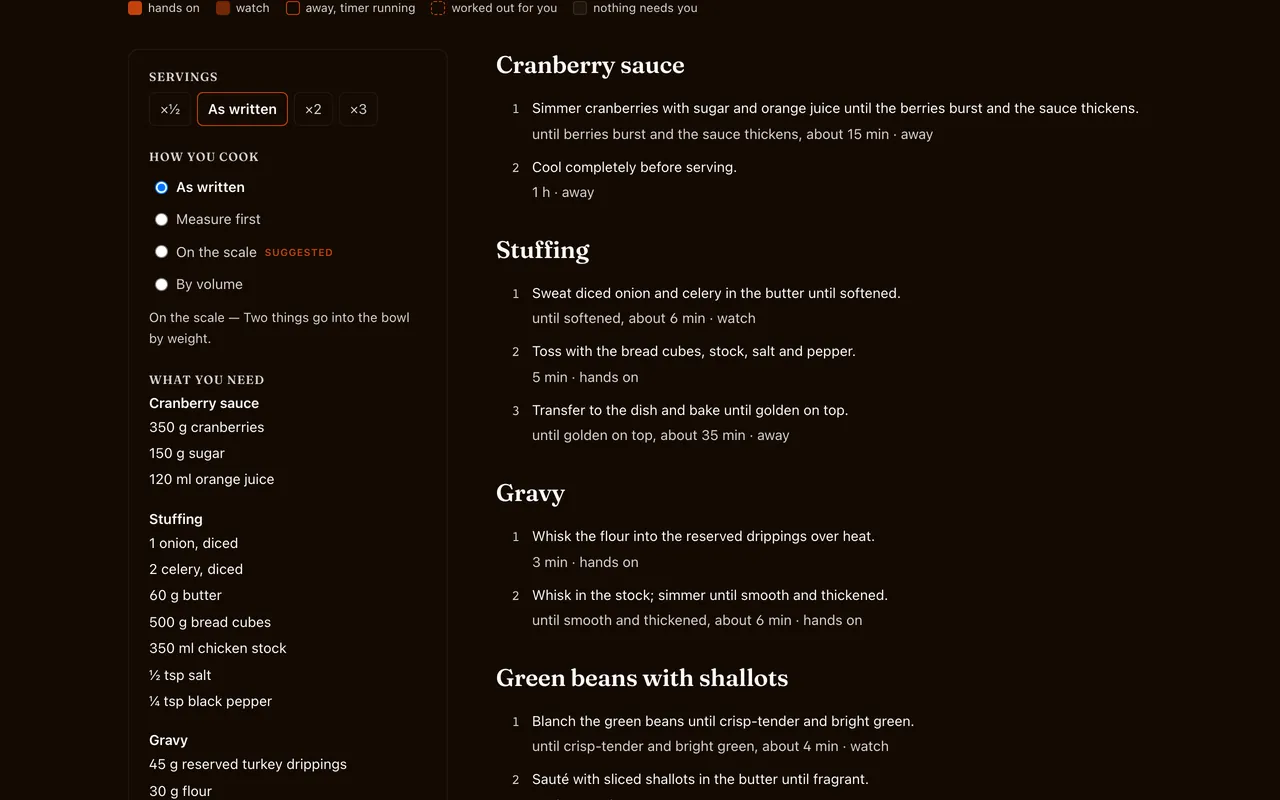
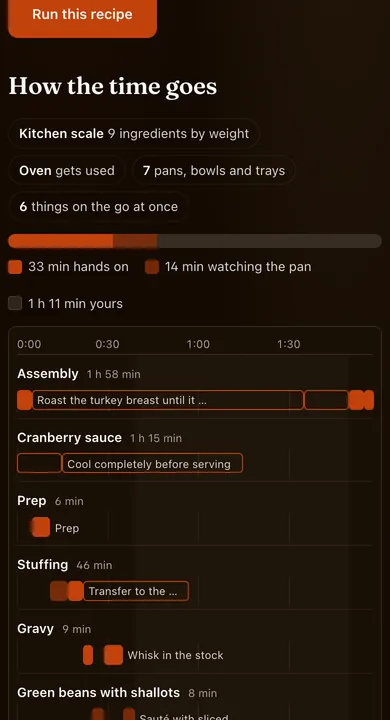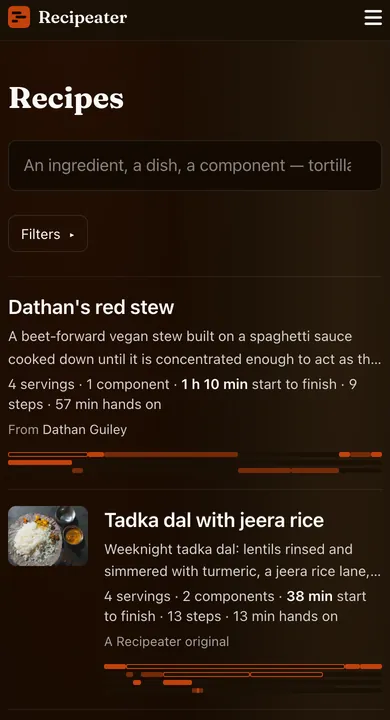
Every recipe is broken into its parts and laid out on a timeline, so you can see what's on the stove, what's waiting, and when your hands are free. It runs on any phone in the kitchen.
- consumer
- scheduling
- data visualization
- mobile
[recipeater.founding.studio ↗](https://recipeater.founding.studio)
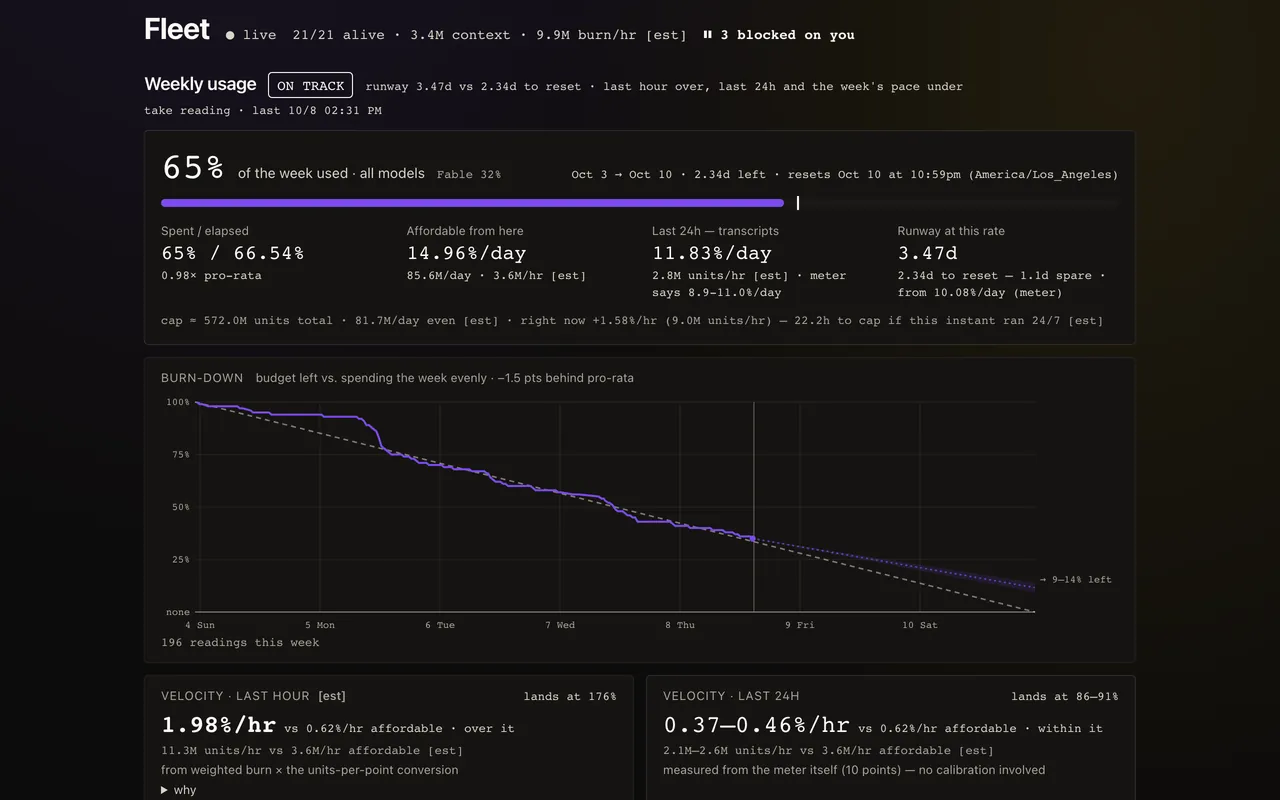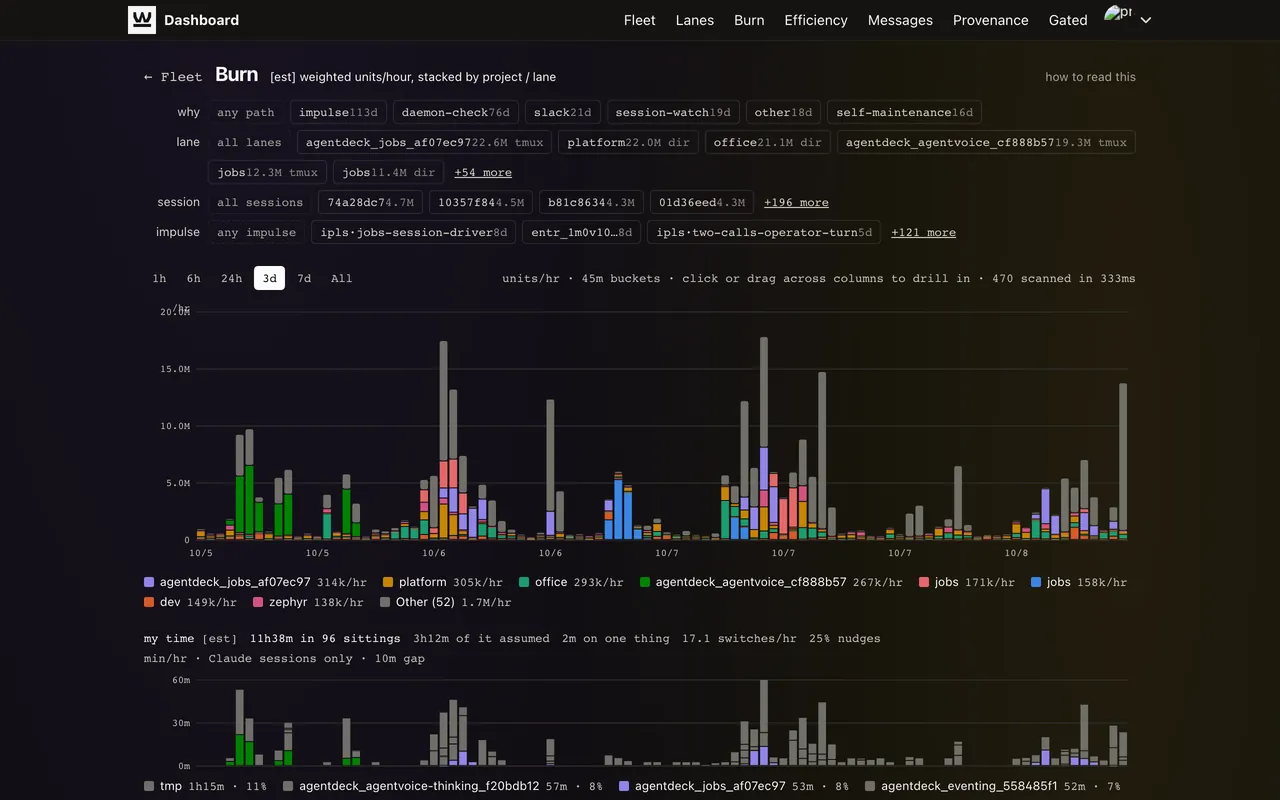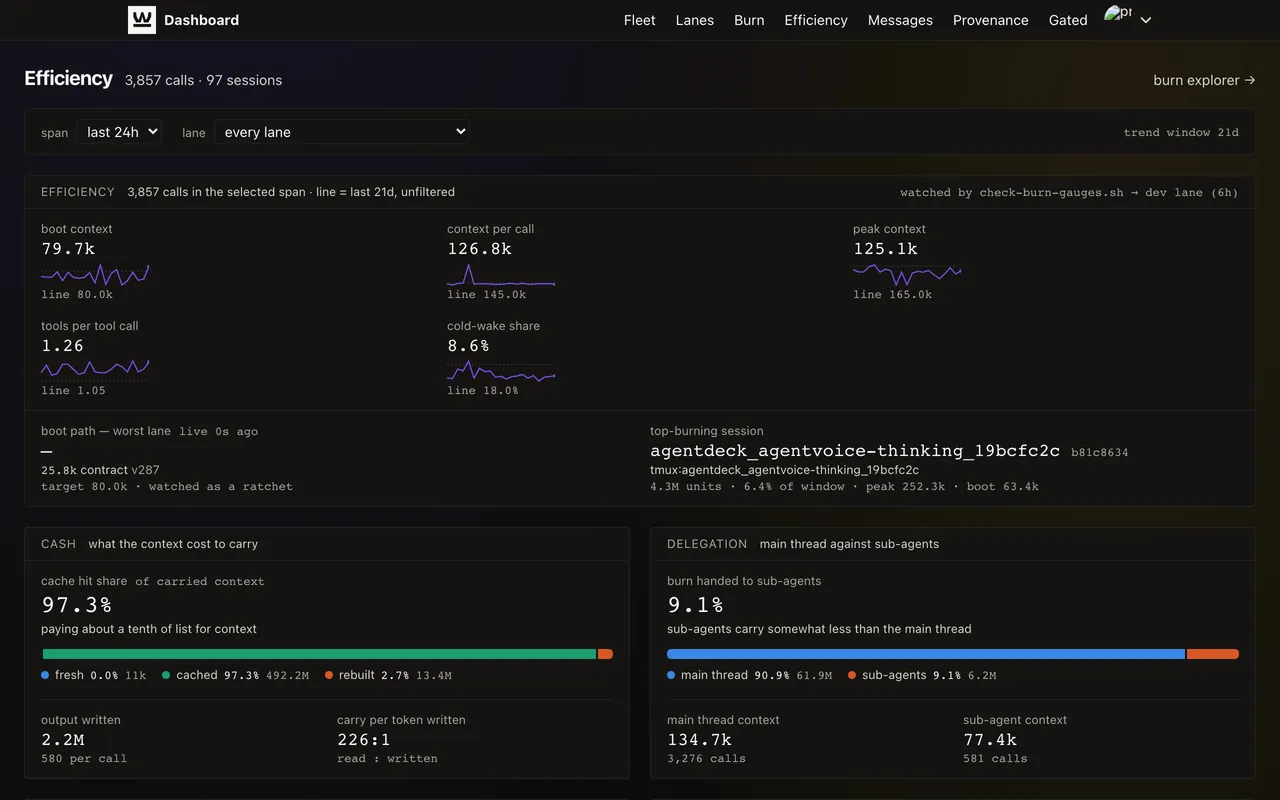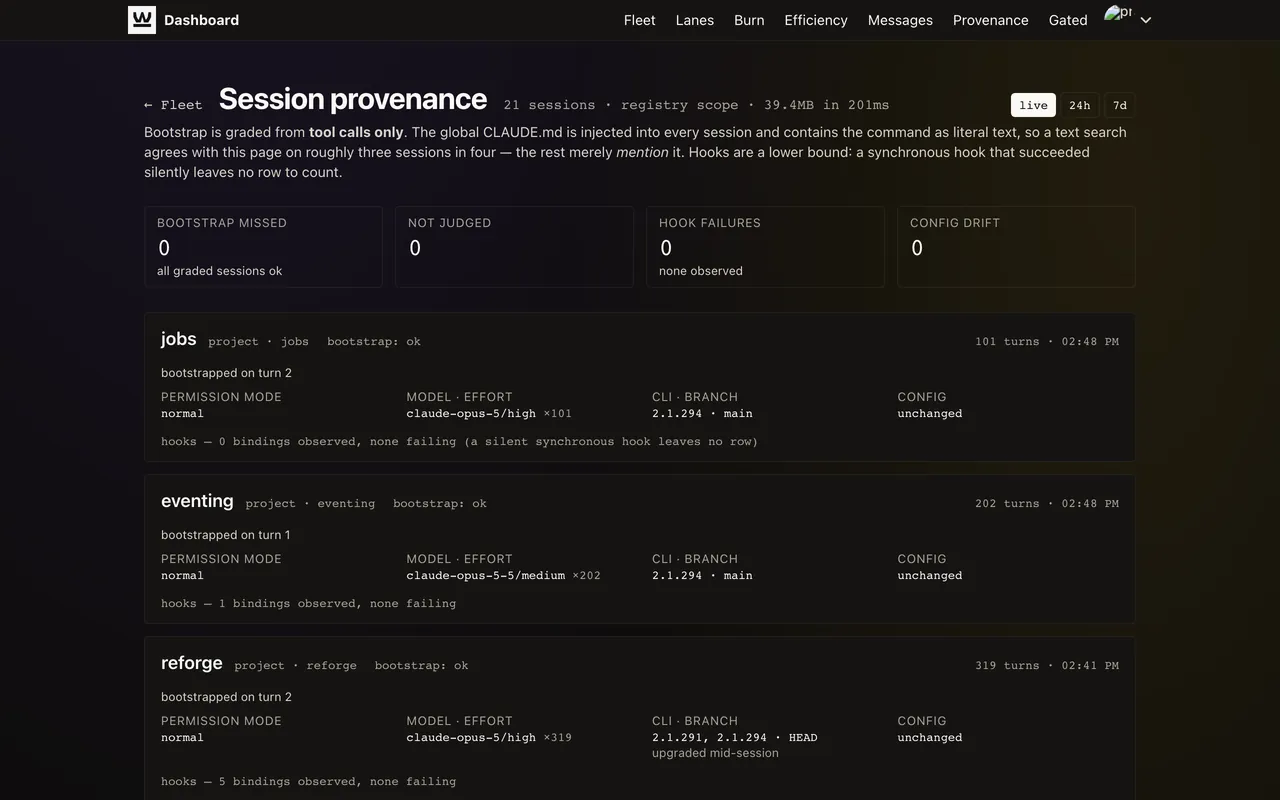
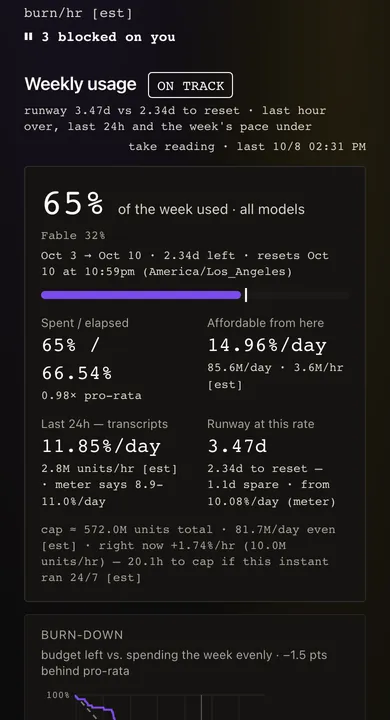
It reads the agents' own session logs to show how fast the weekly budget is going and which projects are using it. If the week is about to run out, you see it days ahead.
- internal tool
- AI agents
- analytics
- data visualization
[dashboard.founding.studio ↗](https://dashboard.founding.studio)
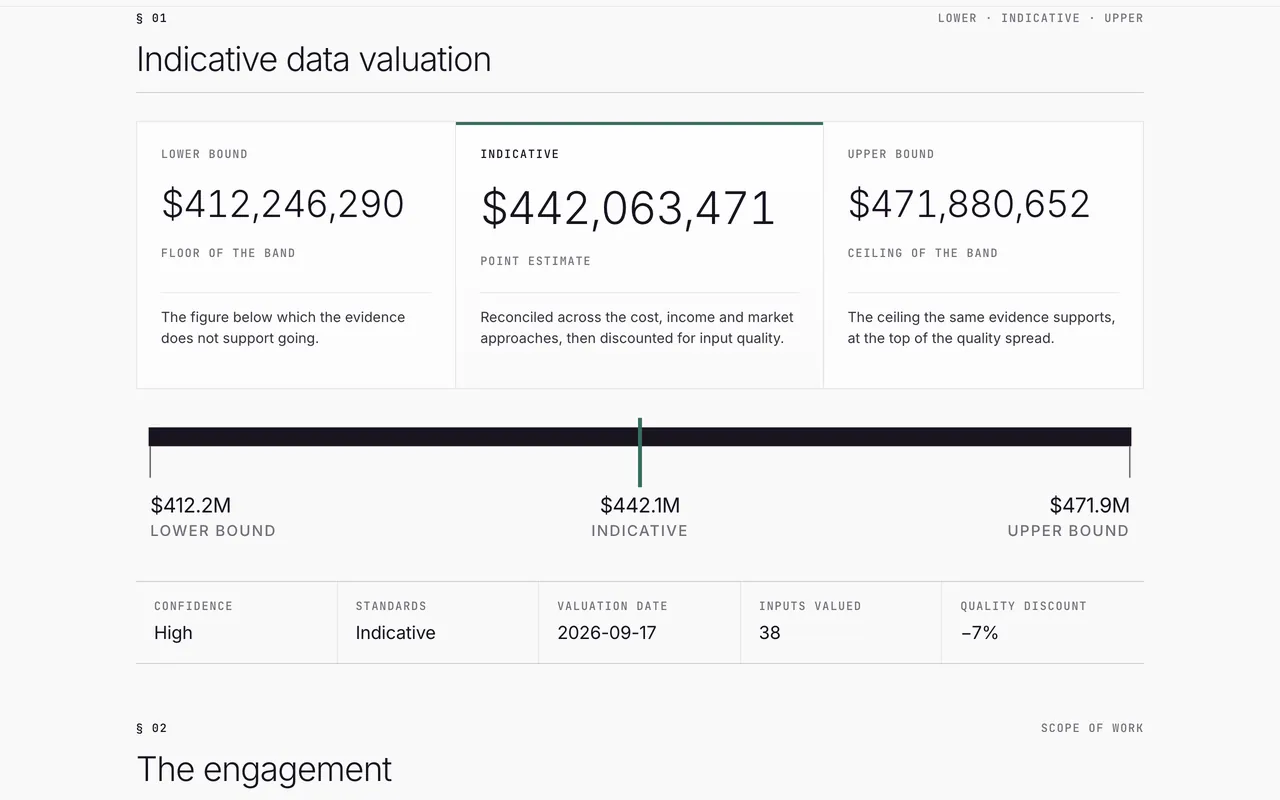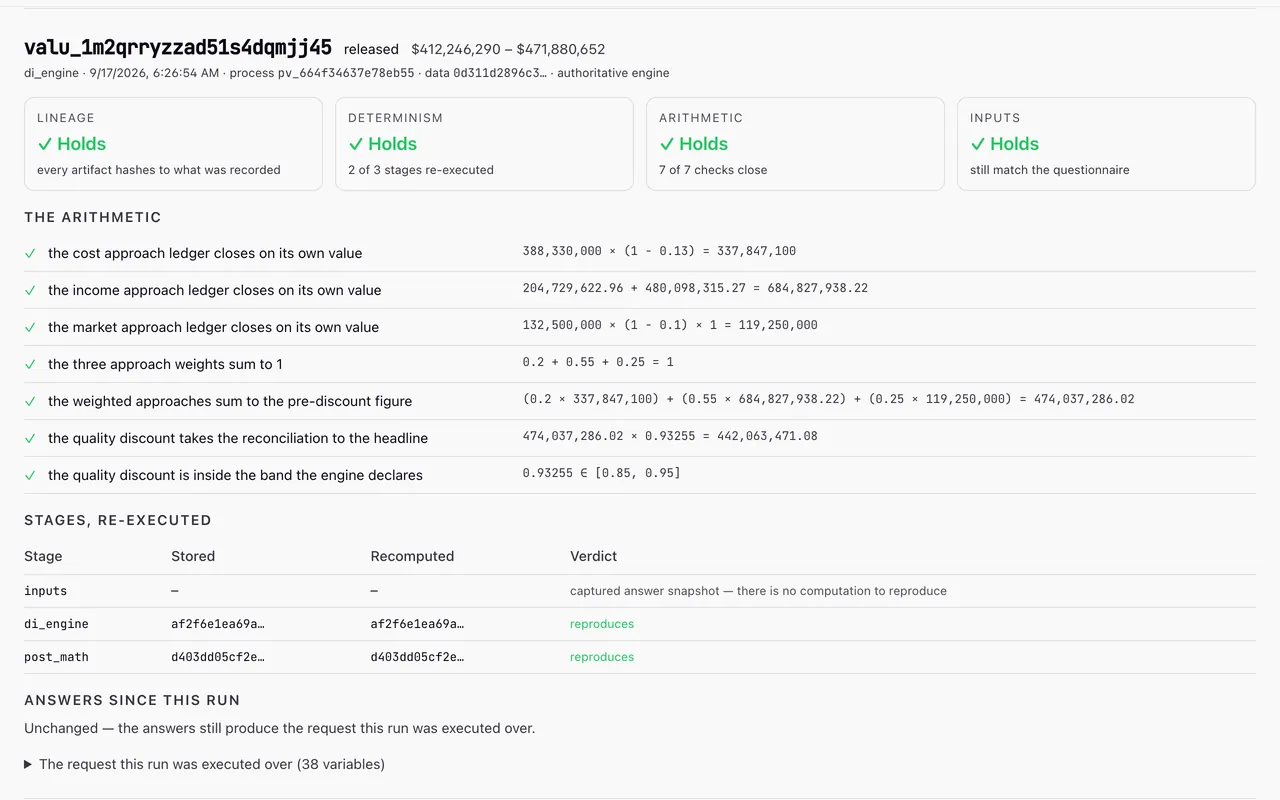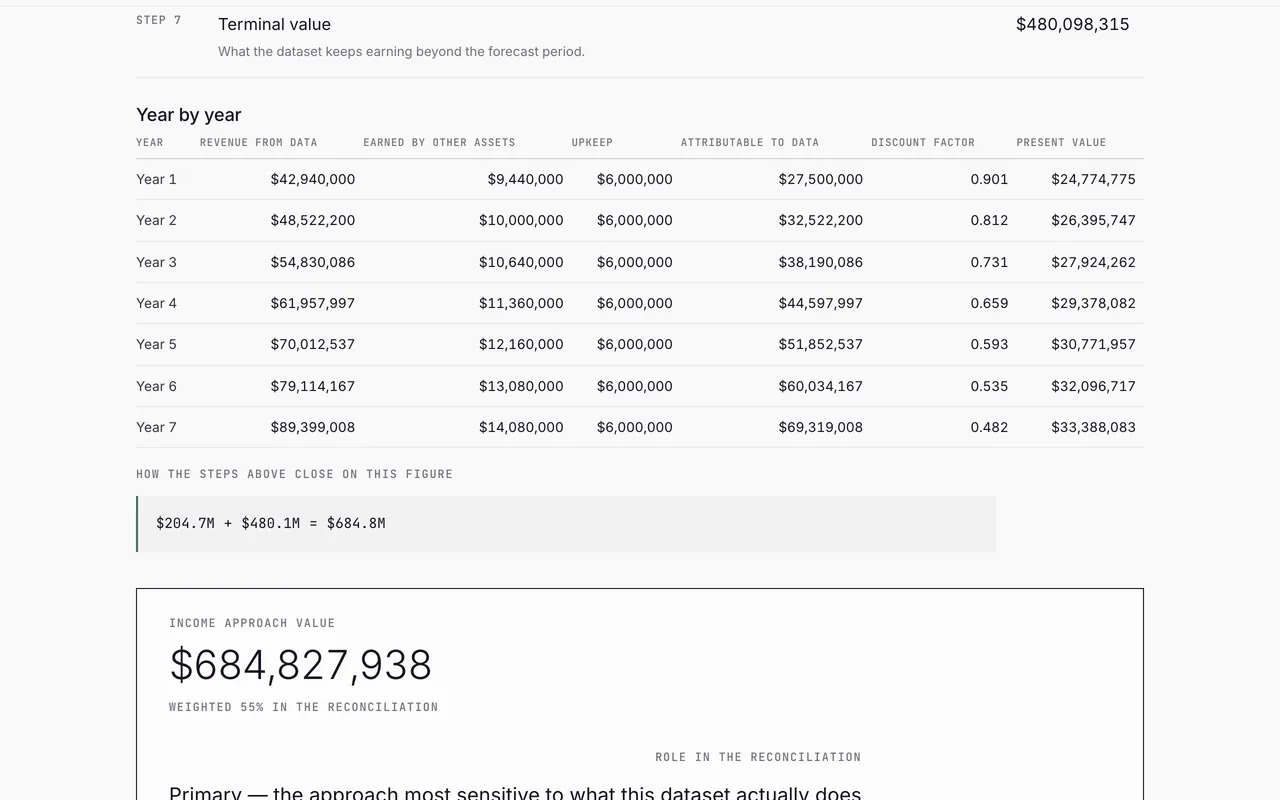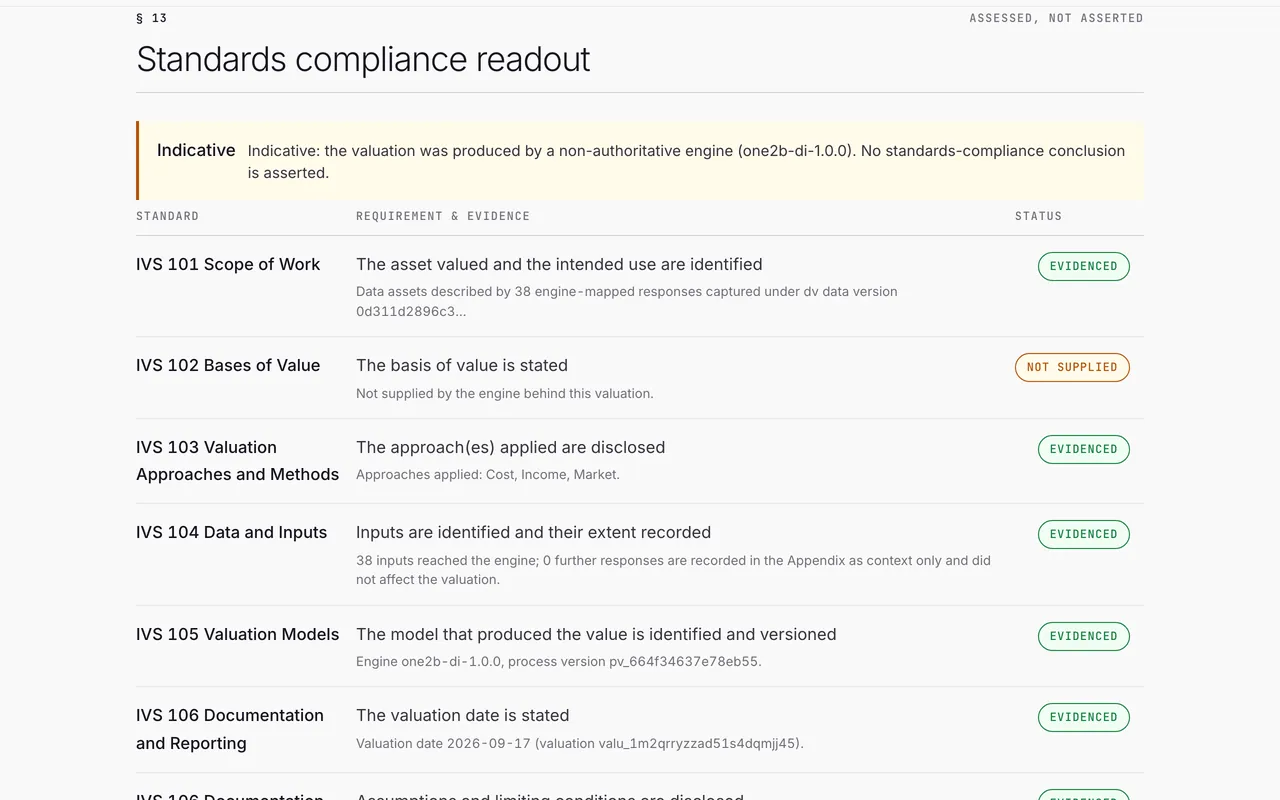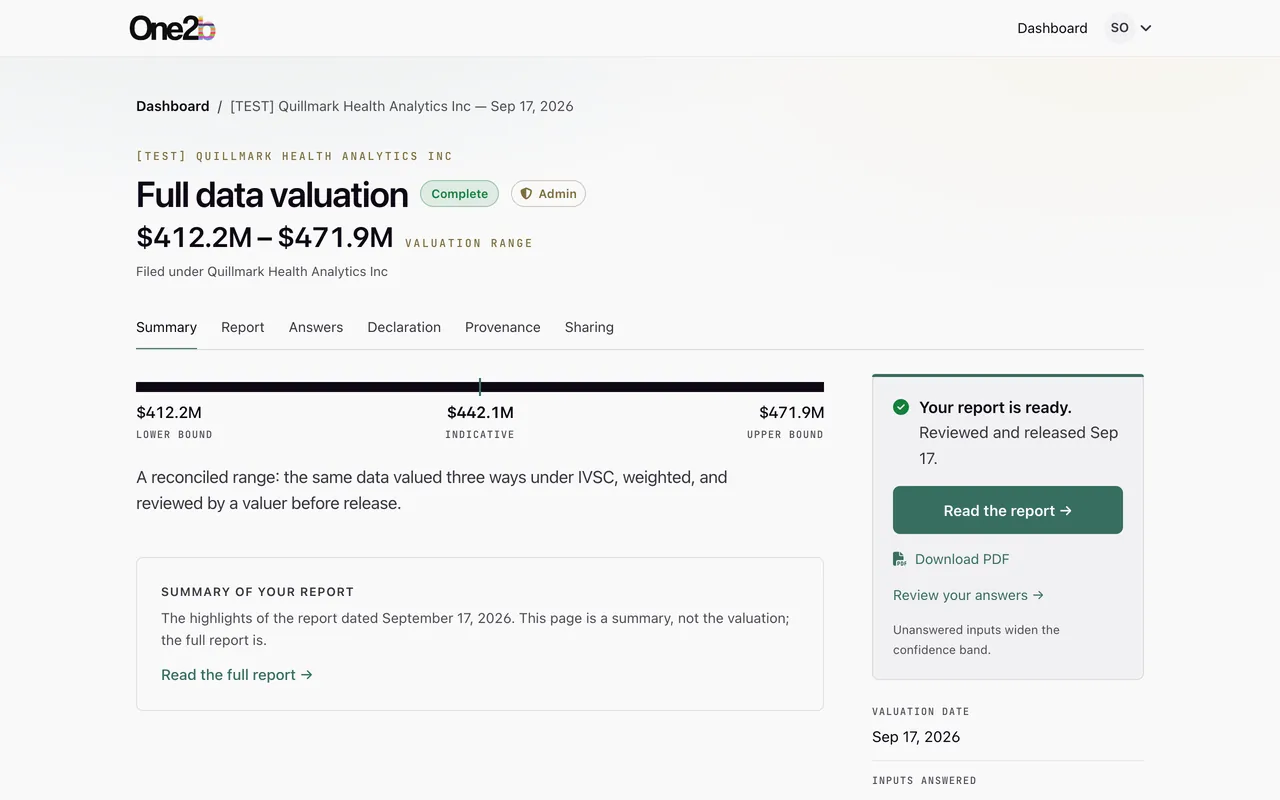
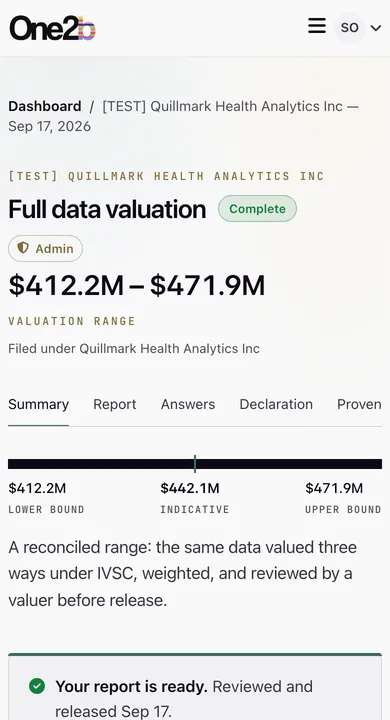
A company answers a guided questionnaire and gets a signed report valuing its data three ways, with every figure traceable back to its inputs. Lenders and auditors can check the math themselves.
- B2B
- fintech
- reporting
- audit trail
[main.one2b.io ↗](https://main.one2b.io)
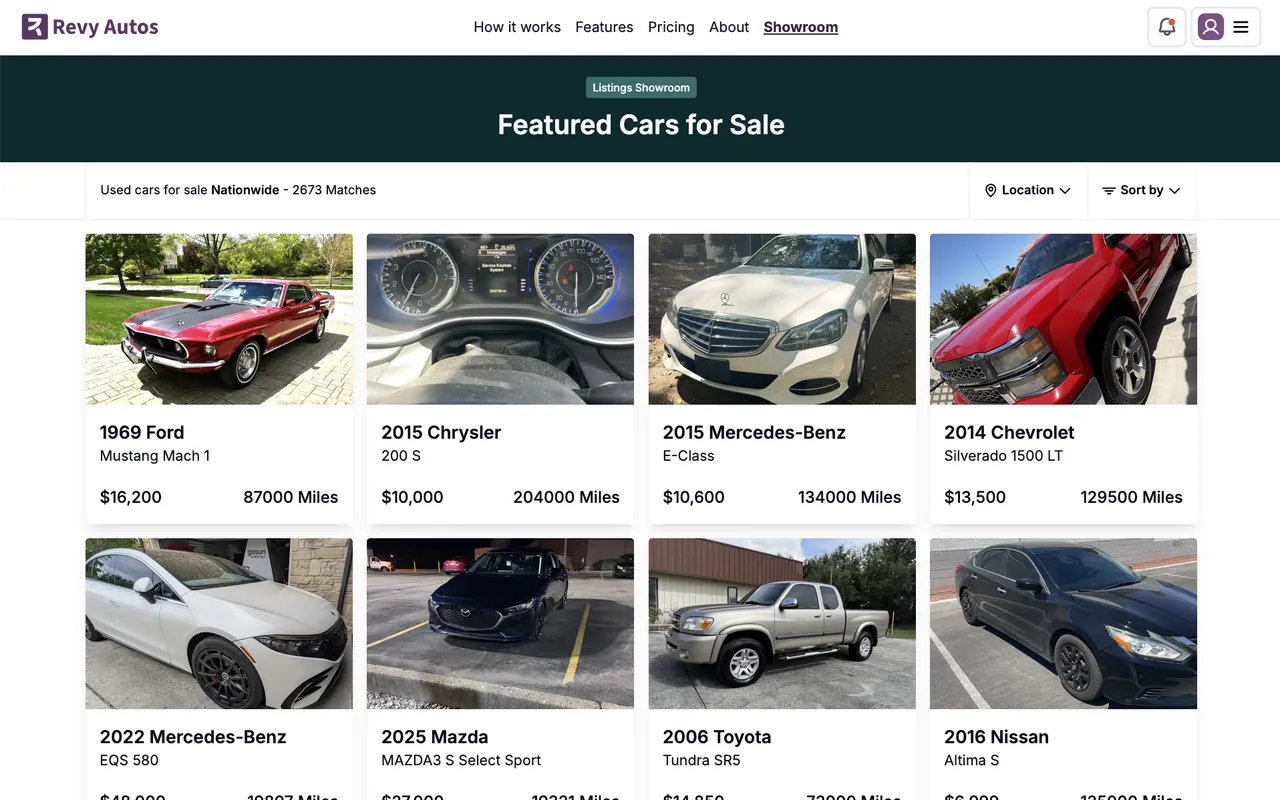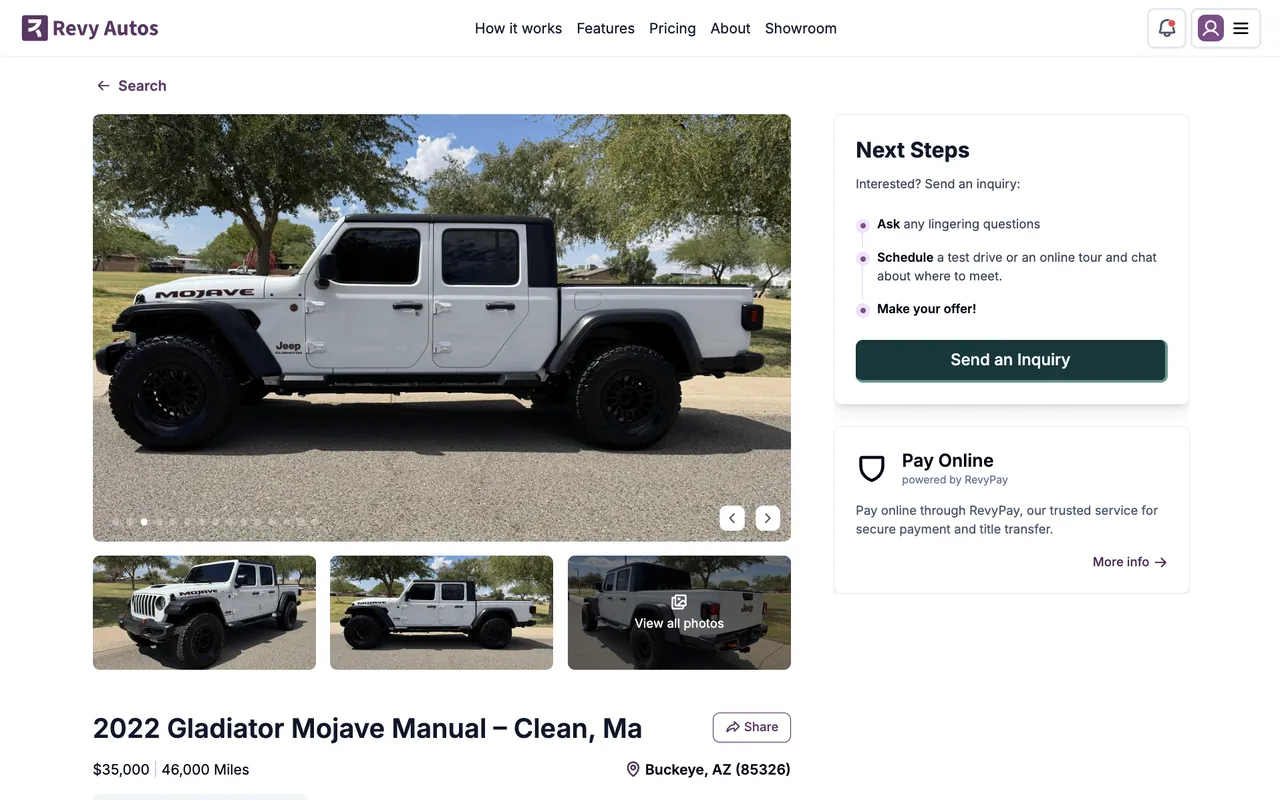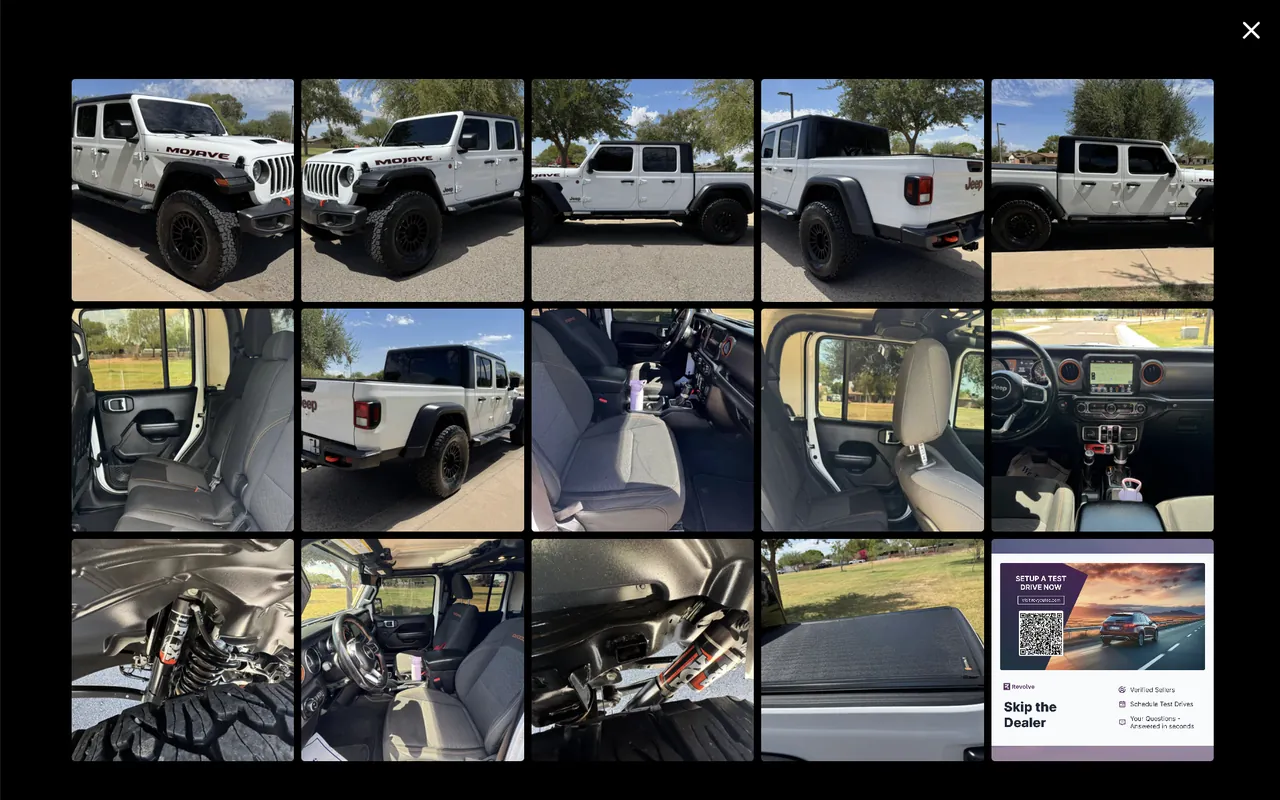
Sellers upload photos and answer a few questions, and the listing comes out complete and ready to share. Buyers browse a clean showroom and send inquiries.
- marketplace
- automotive
- AI assistant
[Case study →](/work/revyautos)[revyautos.com ↗](https://revyautos.com)
The problem with from-scratch
## Vibe coding doesn’t skip the hard lessons.
It saves them for later.
Generating an app from a blank prompt is fast. But the lessons don’t go away — they arrive when you have real load, real customers, and the code is hardest to change. [Why vibe coding is building on sand →](/why-vibe-coding-is-building-on-sand)
From scratchOn the codebase
Day one
From scratchA working demo in an afternoon. It feels like the hard part is over.
On the codebaseA working demo in an afternoon — sitting on auth, billing, logging and deploys that have already run in production.
First real users
From scratchSign-in edge cases, password resets, email deliverability. Each one a fresh discovery.
On the codebaseMagic links, Google sign-in, resets and verified email were solved years ago. Nobody rediscovers them.
First load
From scratchQueries that were fine at 50 rows time out at 50,000. The data model was a guess.
On the codebasePaginated repositories, caching with invalidation, and a data model built to be changed by migration.
First enterprise deal
From scratchRoles, audit history, signed agreements, security review. The architecture fights every one.
On the codebasePermissions, change history, in-house e-signing and token auth are already wired in.
Already built in Each has run in production, broken in production, and been fixed upstream.
### Accounts
Magic-link sign-inGoogle sign-inRoles & permissionsTeam invitesAPI tokens
### Money & agreements
Stripe billingSubscriptionsE-signingSigned agreements
### Content
CMS & rich editorForms & lead captureFile uploadsShort links & QR codesSEO built in
### AI & realtime
AI service layerAgent frameworkLive updatesReadable by AI search
### Admin
Admin dashboardUser managementBrand themesTransactional emailAudit history
### Operations
Database migrationsCachingScheduled jobsLoggingKubernetes deploysAutomated tests
How it stays good
## Simplicity. Flexibility. Power.
Simplicity
### Tailored by removal
The template ships everything; your product keeps only what it uses. Unused modules, demo routes and dependencies come out by hand before launch, so the code you own is the code you need.
Flexibility
### Conventions, not cages
Thin controllers, services for logic, one way to name things. Because every layer is predictable, a new feature or a new direction is an addition — not an excavation.
Power
### Production from the first commit
Every project inherits the fixes from every project before it. A webhook that once went unverified, a timezone that once drifted — fixed upstream once, flowing down to everyone.
Protocol
## Thirty years of engineering judgment, in a knowledge base.
The codebase is the _what_. [Protocol](https://protocol.supply) is the _how_: coding standards, best practices, and the full development lifecycle, written down from three decades of building and running software.
Every engineer and every AI agent on a Wilde project loads it before writing a line. So the agent that builds your billing page follows the same rules as the architect who designed it — and when something goes wrong, the fix becomes a rule everyone inherits.
agent session
```
$ curly protocol @codebase/index
# Decision Tree — what are you doing?
New project kickoff → spec → setup → loop
New entity new-entity — each step closes a gate
Backend backend, api, data-model, repository
UI work ui-workflow, ui-compose, ui-verify
Deployment kubernetes
$ curly protocol @codebase/data-model
# IDs, tables, migrations, nullability —
# get agreement before building.
```
30years of engineering, written down
400+protocol entries and growing
105coding standards for this stack
The whole lifecycle
## Every stage has a protocol.
From the first interview to the retro, nothing is improvised. That’s how a small senior team ships at the pace of a large one — in three phases, each with a guarantee.
1. Phase 01
### Diagnose, decide, deploy
We find the real problem, define the domain model, wire up CI/CD and put working software on a live URL before anything else.
KickoffSpecStandards
Not confident after Phase 1? Full refund.
2. Phase 02
### Iterate on real feedback
Every cycle ships working features to the live environment. Your team and users react to software, not mockups, and that sets the priorities.
LoopVerify
Meaningful progress every cycle, not every quarter.
3. Phase 03
### Launch and stand behind it
Launch is flipping real traffic onto an app that has already been running. Then a clean handoff and 90 days of coverage.
DeployRetro
Critical bugs in the first 90 days are fixed at zero cost.
### Fast Track
Clear scope: internal tools, micro-SaaS, a single-feature MVP, or a new capability on an existing system.
Three phases. Working software out fast, on an architecture sound enough to grow.
### Full Build
More unknowns: multi-role systems, marketplaces, complex integrations, rescuing a failing codebase.
Four phases. Extra rounds to expand scope on what works, then harden, scale and hand off.
## Build on lessons already learned.
Tell us where you’re stuck or what you’re building. We’ll show you how much of it already exists.
[Talk about your current challenges →](/start?utm_campaign=development)[How we design →](/design)
Got a question?